3 citations
,
January 2014 in “The Journal of Dermatology” Squaric acid dibutylester for alopecia areata can cause benign skin lymphoid growths.
Fire needle therapy's benefits and safety for alopecia areata need more evidence.
3 citations
,
June 2024 in “Allergy”  8 citations
,
December 2020 in “The FASEB Journal”
8 citations
,
December 2020 in “The FASEB Journal” Blocking adenosine A2B receptor may prevent or treat hearing loss.
 January 2025 in “ACS Applied Materials & Interfaces”
 Nanoparticles with specific drugs can help regrow hair in alopecia areata.
 8 citations
,
June 2012 in “Australasian Journal of Dermatology”
8 citations
,
June 2012 in “Australasian Journal of Dermatology” A rare form of alopecia causes hair thinning without bald spots and may be more common than thought, responding well to steroid treatment.
13 citations
,
December 1987 in “British Journal of Dermatology” Increased T cell activity may predict hair regrowth success with minoxidil in severe alopecia areata.
 3 citations
,
July 2022 in “Indian journal of dermatology, venereology, and leprology”
3 citations
,
July 2022 in “Indian journal of dermatology, venereology, and leprology” Patients with alopecia areata have higher oxidative stress and lower antioxidant levels.

Alopecia areata patients show increased inflammation and OX40 activation, suggesting a new treatment target.
 April 2023 in “The journal of investigative dermatology/Journal of investigative dermatology”
 Phototherapy helps some patients with alopecia areata regrow hair, especially those with hair at treatment start and less severe forms of the condition.
1 citations
,
April 1990 in “PubMed” Alopecia areata causes unpredictable hair loss and is hard to treat.
24 citations
,
February 2011 in “The American journal of pathology” AIRE protein, defective in APECED patients, is found in skin and hair cells and interacts with cytokeratin 17.
Topical minoxidil, intralesional steroids, and cryotherapy significantly improve alopecia areata.
April 2011 in “Medical Journal of Tabriz University of Medical Sciences and Health Services” Many patients with Alopecia Areata have underlying autoimmune disorders, especially thyroid issues.
 59 citations
,
January 2010 in “International Journal of Pediatric Endocrinology”
59 citations
,
January 2010 in “International Journal of Pediatric Endocrinology” NonClassic Congenital Adrenal Hyperplasia is a less severe form of a genetic disorder affecting adrenal gland function.
 April 2016 in “Journal of The American Academy of Dermatology”
 AGA patients have a lower quality of life than AA patients.
 6 citations
,
June 2008 in “Journal of the European Academy of Dermatology and Venereology”
6 citations
,
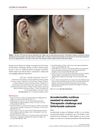
June 2008 in “Journal of the European Academy of Dermatology and Venereology” A man with Acrodermatitis continua did not get better with etanercept treatment, and his condition worsened, suggesting treatment effectiveness may vary by genetics and race.
June 2024 in “Current Developments in Nutrition” KeraGLO improves skin and hair health.
 December 2016 in “Springer eBooks”
 Chrousos Syndrome is caused by mutations that make the body less sensitive to glucocorticoids, leading to various symptoms and requiring high-dose treatment.
 17 citations
,
December 2001 in “Dermatologic therapy”
17 citations
,
December 2001 in “Dermatologic therapy” Different treatments for alopecia areata have unpredictable results and varying success rates.
 April 2023 in “Journal of Investigative Dermatology”
 Higher PD-1 levels are linked to fewer immune cells in hair follicles in alopecia areata.
 40 citations
,
April 2013 in “Dermato-endocrinology”
40 citations
,
April 2013 in “Dermato-endocrinology” People with chronic Alopecia Areata often have lower vitamin D levels.
109 citations
,
November 1987 in “Archives of dermatology” Anthralin cream helped 25% of patients with severe alopecia areata regrow hair, but caused skin irritation.
 36 citations
,
May 2011 in “Dermatologic therapy”
36 citations
,
May 2011 in “Dermatologic therapy” No treatments fully cure or prevent alopecia areata; some help but have side effects or need more research.
July 2024 in “Journal of Investigative Dermatology” Allergies, especially both seasonal and food, increase the risk of developing alopecia areata.
 August 2023 in “Research Square (Research Square)”
 Melanocytes may trigger the immune response in alopecia areata, affecting hair regrowth.
Combining epinephrine with a steroid may help regrow hair in severe alopecia areata cases.
 May 2025 in “Frontiers in Immunology”
 Autoimmune diseases with high tissue recovery often relapse and remit, while those with low recovery rarely remit.
 1 citations
,
August 2021 in “Movement disorders clinical practice”
1 citations
,
August 2021 in “Movement disorders clinical practice” A man with Isaac's syndrome affecting only one side of his body improved after immune system-targeted treatment.
 March 2025 in “Journal of Education Health and Sport”
 Alopecia areata causes hair loss due to immune issues, and while new treatments show promise, no universally effective solution exists yet.