13 citations
,
February 2016 in “Journal of steroid biochemistry and molecular biology/The Journal of steroid biochemistry and molecular biology” Mice without active or present vitamin D receptors maintain normal blood sugar control and islet gene expression when calcium levels are normal.
May 2025 in “Lasers in Surgery and Medicine” Nonablative monopolar radiofrequency is a safe and effective long-term treatment for acne.
3 citations
,
December 2017 in “Journal of Psychiatric Research” Hair samples can't reliably detect hypercortisolism in anorexia nervosa patients.
25 citations
,
October 2010 in “Journal of Hepatology” Budesonide alone is less effective than standard treatment for autoimmune hepatitis.
 February 2024 in “Pediatrics in review”
 A 15-year-old girl with missed periods was diagnosed with a pituitary disorder and treated with hormones and steroids.
 16 citations
,
January 2003 in “Nuclear Receptor Signaling”
16 citations
,
January 2003 in “Nuclear Receptor Signaling” Androgens and SARMs play a role in body mass, frailty, skin health, and hair growth, and are used in treating prostate cancer, acne, and hair loss, with potential for new uses and improved versions in the future.
April 2025 in “Sabuncuoglu Serefeddin Health Sciences” Anabolic steroid misuse is a major health issue causing severe health problems and requires better awareness and monitoring.
 29 citations
,
December 2017 in “International Journal of Dermatology”
29 citations
,
December 2017 in “International Journal of Dermatology” People with alopecia areata often have lower vitamin D levels, which are linked to more severe and longer-lasting hair loss, but vitamin D receptor levels in the skin don't show the same pattern and don't predict treatment success.
 2 citations
,
March 2013 in “Phytotherapy Research”
2 citations
,
March 2013 in “Phytotherapy Research” Ascorbigen increases hair cell growth in a lab setting but does not prevent hair loss from chemotherapy in mice.
 30 citations
,
July 2004 in “Fertility and Sterility”
30 citations
,
July 2004 in “Fertility and Sterility” Amenorrhea is when a woman doesn't have periods, with primary amenorrhea starting by age 15 or within five years of breast development, and secondary amenorrhea when periods stop for three months. It affects 3-4% of women not pregnant, breastfeeding, or in menopause, mainly due to polycystic ovary syndrome, hypothalamic amenorrhea, hyperprolactinemia, and ovarian failure.
 September 2025 in “PubMed”
 Auricular electrostimulation reduces itching in mice.
260 citations
,
January 2020 in “Nature” Stress can cause hair to turn gray by depleting stem cells.
May 2021 in “Medicina internă” High-dose corticosteroid treatment helped improve symptoms in a patient with Adult Onset Still Disease.
25 citations
,
June 1998 in “Journal of Investigative Dermatology” Murine cytomegalovirus does not cause alopecia areata in these mice.
 12 citations
,
August 2020 in “JEADV. Journal of the European Academy of Dermatology and Venereology/Journal of the European Academy of Dermatology and Venereology”
12 citations
,
August 2020 in “JEADV. Journal of the European Academy of Dermatology and Venereology/Journal of the European Academy of Dermatology and Venereology” Azathioprine is the most continued treatment for chronic alopecia areata over a year, often with added low-dose prednisolone.
March 2024 in “INDIAN JOURNAL OF APPLIED RESEARCH” Polarity Analysis with Calcarea Carbonica may effectively treat alopecia areata with fewer side effects.
36 citations
,
October 2002 in “The Journal of Dermatology” Combining SADBE with other treatments can help hair regrowth in alopecia areata patients.
 August 2008 in “European Neuropsychopharmacology”
 RY-023, a specific drug, can improve early stage memory learning without affecting general activity in rats, but it's less effective for later learning stages and doesn't impact memory recall.
 13 citations
,
December 2010 in “Nature Reviews Endocrinology”
13 citations
,
December 2010 in “Nature Reviews Endocrinology” A young man with an eating disorder had a life-threatening adrenal crisis due to an autoimmune condition, highlighting the need for better education on managing hormone treatments.
January 2019 in “Egyptian Journal of Dermatology and Venereology /Egyptian Journal of Dermatology and Venerology” Low vitamin D levels might indicate more severe hair loss in alopecia areata patients.
2 citations
,
May 2025 in “The Journal of Dermatology” Alopecia areata causes significant stigma and emotional distress, with many affected individuals not receiving adequate support or treatment.
97 citations
,
January 2006 in “Dermatology” imTA and pulse therapy are effective for alopecia areata with manageable side effects, but relapse rates need improvement.
 4 citations
,
January 2013 in “Acta dermato-venereologica”
4 citations
,
January 2013 in “Acta dermato-venereologica” Some patients with Alopecia Areata experience itch due to immune cells and enzymes that cause itching.
16 citations
,
December 2015 in “Journal of Investigative Dermatology” Alopecia areata involves persistent gene abnormalities and immune activity, even in regrown hair, suggesting a risk of relapse.
82 citations
,
October 1980 in “The Journal of Clinical Endocrinology & Metabolism” The child's body didn't respond well to vitamin D, causing hair loss and rickets.
49 citations
,
January 2009 in “The Journal of Clinical Endocrinology & Metabolism” DHEA treatment helps grow pubic hair and boosts mood in girls with adrenal issues.
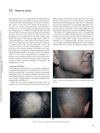 April 2012 in “Informa Healthcare eBooks”
 Alopecia areata is a common autoimmune condition causing varying hair loss, diagnosed by specific patterns of inflammation around hair follicles, with several treatment options available.
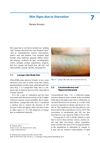 June 2012 in “Springer eBooks”
 Skin changes can indicate starvation and nutritional deficiencies in anorexia nervosa.
September 2025 in “Radboud University Press eBooks” AHR ligands could treat inflammatory skin diseases.
38 citations
,
September 2004 in “Journal of Autoimmunity” Alopecia areata patients have more activated T cells in their blood, which may help in developing treatments.