
PCOS has a strong genetic basis, but more research is needed to fully understand it.
 1 citations
,
July 2014 in “International Journal of Dermatology”
1 citations
,
July 2014 in “International Journal of Dermatology” A cancer patient developed a type of hair loss after starting a cancer drug called vandetanib.
 1 citations
,
February 2013 in “Clinical pediatrics”
1 citations
,
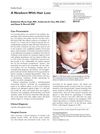
February 2013 in “Clinical pediatrics” The baby’s hair loss was due to a rare genetic condition, not treatable by usual methods.
 March 2026 in “Editora Pasteur eBooks”
 Early diagnosis and a combination of treatments can effectively manage hair loss and improve quality of life.
The new microneedle system improves hair growth in alopecia treatment.
January 2026 in “Medicine” Higher LDL cholesterol may increase the risk of hair loss, while HDL cholesterol does not.

Polygonum multiflorum may help treat hair loss but can be toxic to the liver.
 January 2025 in “Journal of Food Biochemistry”
 2′‐Fucosyllactose reduces hair loss and promotes hair growth in mice.
 September 2024 in “Medicina”
 Certain gene variations may protect against skin issues and oxidative stress in women with PCOS.
 April 2024 in “Prostate international”
 Male pattern baldness does not cause an increased risk of prostate cancer.
 April 2024 in “Human genomics”
 Identified genes linked to male-pattern baldness may help develop new treatments.
 April 2024 in “Skin research and technology”
 VLDL could be an early warning sign for male pattern baldness.
 March 2024 in “Cancer Research”
 Men with baldness on the top of their head might have a small increased risk of prostate cancer.

The YH complex, made from certain plant extracts, effectively promotes hair regrowth and could be a potential treatment for hair loss.
 January 2024 in “Journal of Biosciences and Medicines”
 Future treatments for androgenic alopecia may focus on reactivating hair follicle stem cells and improving drug delivery.

Justicia procumbens extract may help prevent hair loss and improve hair thickness and shine in a type of hair loss condition.
 November 2023 in “Expert Opinion on Pharmacotherapy”
 Finasteride and dutasteride are effective in treating male hair loss but can cause sexual side effects and birth defects.
 April 2018 in “Journal of Investigative Dermatology”
 IL-17C is important in inflammatory skin diseases and could be a target for treatment.
 January 2018 in “Elsevier eBooks”
 The document concludes that alopecia has significant social and psychological effects, leading to a market for hair loss treatments.
 September 2017 in “Journal of Investigative Dermatology”
 Aging causes sweat glands to shrink, leading to skin issues, and blue light can help hair grow.
 August 2016 in “Journal of Investigative Dermatology”
 DHT reduces a cell's ability to promote hair growth, while 3D culture without DHT improves it.
 January 2016 in “Springer eBooks”
 The document concludes that there are various causes and treatments for hair loss, with hair transplantation being a notable option.
 July 2015 in “Cambridge University Press eBooks”
 Androgens like testosterone affect skin health and can lead to conditions such as acne and hair loss, with various treatments available.
 January 2012 in “Methods in pharmacology and toxicology”
 TRPV3 could be a target for treating pain, skin disorders, and hair problems, but more research is needed to create effective drugs.
 November 2007 in “Journal of Generic Medicines”
 Europe strengthened medicine regulations, increased protection against counterfeit drugs, and made it tougher to challenge comparative advertising, while also focusing on patent law enforcement and updating plant protection rules.
 January 2006 in “Fertility and Sterility”
 The book provides a detailed guide on managing Polycystic Ovary Syndrome and is useful for physicians.
 July 1997 in “The Lancet”
 A new protein linked to Alzheimer's was discovered, and a hair loss treatment showed effectiveness but had some sexual side effects.
 July 1997 in “The Lancet”
 Finasteride increased hair count and regrowth in men with hair loss but also caused more sexual side effects than placebo.
 January 2023 in “Annali di stomatologia”
 PRP helps heal and repair tissues in medicine but needs more research for better use.
 April 2017 in “Australasian Journal of Dermatology”
 The session covered updates on skin treatments, including radiotherapy, imiquimod, acitretin, JAK inhibitors, and strategies for managing rosacea and preventing surgical infections.