Combining ATRA with TPO-RA effectively stabilizes platelet counts in ITP patients.
April 2011 in “Cancer Research” 20(S)-Protopanaxadiol-aglycone may help prevent and treat prostate cancer by reducing androgen receptor activity.
April 2026 in “ACS Applied Materials & Interfaces” A new treatment using probiotic microneedles shows promise for promoting hair growth and reducing inflammation in androgenetic alopecia.
 July 2025 in “Health Sciences”
 A 7-year-old girl with non-scarring alopecia will have hair follicle transplantation to improve her quality of life.
 April 2026 in “Zenodo (CERN European Organization for Nuclear Research)”
 Potential compounds may inhibit hair loss by targeting a non-androgen pathway.
 January 2024 in “Wiadomości Lekarskie”
 pbn-STAC effectively finds strategies for cellular reprogramming using deep reinforcement learning.
 3 citations
,
May 2017 in “Dermatologic Surgery”
3 citations
,
May 2017 in “Dermatologic Surgery” PRP may help treat female hair loss, but more research needed.
 3 citations
,
November 1999 in “Journal of Cutaneous Medicine and Surgery”
3 citations
,
November 1999 in “Journal of Cutaneous Medicine and Surgery” AGA is a genetic, hormonal hair loss treated with finasteride, minoxidil, and supplements, but new compounds are being developed.
 June 2023 in “Food frontiers”
 Ginsenoside CK, found in Panax ginseng, can prevent hair loss by controlling certain growth pathways and promoting hair follicle development.
September 2025 in “Blood Advances” Targeting androgen receptor signaling may improve acute myeloid leukemia treatment.
 38 citations
,
July 1989 in “Archives of dermatological research”
38 citations
,
July 1989 in “Archives of dermatological research” Testosterone causes hair loss in AGA mice, which are good for testing baldness treatments, and both minoxidil and cyproterone acetate can prevent this hair loss.
24 citations
,
August 2021 in “Scientific Reports” Non-thermal plasma could help hair growth by activating key cell signals.
May 2025 in “Texas Digital Library (University of Texas)” Extracellular ATP promotes growth, while adenosine inhibits it in Arabidopsis plants.
January 2026 in “ACS Applied Bio Materials” A new treatment using nanoliposomes can improve hair regrowth in androgenetic alopecia.
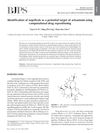 January 2017 in “Brazilian Journal of Pharmaceutical Sciences”
 Arteannuin might work against cancer and Alzheimer's by targeting neprilysin.
May 2018 in “PLATELET RICH PLASMA IN ANDROGENIC ALOPECIA IN MALE AND FEMALE PATIENTS- A MYTH, A PROSPECTIVE STUDY.”  30 citations
,
March 2015 in “Journal of Dermatology”
30 citations
,
March 2015 in “Journal of Dermatology” Hair thickness differences help diagnose hair loss severity.
January 2006 in “OpenCommons at University of Connecticut (University of Connecticut)” Overexpressing AVP1 and AtNHX1 in plants improves salt tolerance and root hair development.
 2 citations
,
September 1980 in “Experientia”
2 citations
,
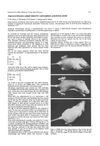
September 1980 in “Experientia” Polyethylene alanine caused hair loss in young lab animals but not in adults, with hair regrowth occurring within 20 days.
1 citations
,
August 2019 in “Journal of Investigative Dermatology” PRDX5 enzyme may contribute to alopecia areata by affecting oxidative stress and autoimmunity.
September 2024 in “Digital Commons - University of South Florida (University of South Florida)” Hormones can change ptarmigan feather color from white to pigmented.
May 2026 in “Zenodo (CERN European Organization for Nuclear Research)” May 2026 in “Zenodo (CERN European Organization for Nuclear Research)” January 2020 in “Medpluse International Journal of Anatomy” 1 citations
,
January 2016 in “Journal of Contemporary Medicine” Androgenetic alopecia causes hair loss, affects men more severely, and treatments are only temporarily effective.
1 citations
,
March 1991 in “PubMed” September 2019 in “Human Andrology” Higher serum androgens contribute to male pattern baldness.
 September 2017 in “Journal of Investigative Dermatology”
 Finasteride helps female-pattern hair loss.