
Researchers developed a method to identify and measure different animal hair fibers in textiles, successfully distinguishing materials like cashmere from cheaper fibers.
 October 2014 in “Springer eBooks”
 Rabbit hair fibers are similar to wool and have a hollow center like feathers.
 46 citations
,
January 2009 in “Textile Research Journal”
46 citations
,
January 2009 in “Textile Research Journal” Researchers developed a new method to identify animal hair in textiles, which is effective for various fibers and more reliable than previous methods.
 11 citations
,
July 2021 in “Sustainability”
11 citations
,
July 2021 in “Sustainability” Concrete made from animal bones and human hair is stronger and more environmentally friendly than traditional concrete.
 1 citations
,
January 2014 in “Sen'i Gakkaishi”
1 citations
,
January 2014 in “Sen'i Gakkaishi” The new method reliably identifies and measures different animal hair fibers in textiles.
 January 2014 in “Sen'i Gakkaishi”
 Researchers developed a method to identify animal fibers in textiles, which works on processed and blended materials.
 8 citations
,
May 2004 in “Textile Research Journal”
8 citations
,
May 2004 in “Textile Research Journal” Scientists made antibodies to tell cashmere and wool apart, which could improve how we identify animal fibers.
Nonlinear artificial neural networks are better at identifying different types of animal hair than linear ones.
 June 2023 in “Livestock studies”
 The article concludes that understanding the molecular processes in hair follicle development can improve the quality of fibers like Angora and cashmere.
 April 2024 in “Frontiers in endocrinology (Lausanne)”
 Melatonin improved secondary hair growth in goats but didn't affect primary hair density or litter size.
 6 citations
,
December 1966 in “Textile Research Journal”
6 citations
,
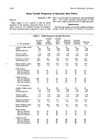
December 1966 in “Textile Research Journal” Animal hair fibers like wool and mohair are strong when dry, but vicuna fibers are very brittle.
170 citations
,
January 2010 in “animal” Hair follicle growth and fiber production in animals are influenced by chemical signals, proteins, pigmentation, genetics, and nutrients.
2 citations
,
October 1992 in “PubMed” WHV infection does not affect woodchuck skin anatomy.
 6 citations
,
January 2016 in “Environmental footprints and eco-design of products and processes”
6 citations
,
January 2016 in “Environmental footprints and eco-design of products and processes” The industry should promote pure luxury hair fibers, improve technology, and diversify products to support growers and ensure sustainable use.
 30 citations
,
April 2018 in “Experimental Dermatology”
30 citations
,
April 2018 in “Experimental Dermatology” The article concludes that developing in vitro models for human hair structures is important for research and reducing animal testing, but there are challenges like obtaining suitable samples and the models' limitations.
 4 citations
,
January 2010 in “Animal”
4 citations
,
January 2010 in “Animal” Improving knowledge and practices in animal fibre production is crucial to meet market demands and potentially revive natural fibres.
 9 citations
,
January 1989 in “Sen'i Gakkaishi”
9 citations
,
January 1989 in “Sen'i Gakkaishi” Wool and hair fibers absorb moisture similarly due to their keratin structure, with the amount of non-crystalline areas affecting the moisture uptake.
 September 2025 in “Sahel Journal of Life Sciences FUDMA”
 Chemical hair straighteners can severely damage hair and scalp with repeated use.
 53 citations
,
November 1997 in “Journal of Forensic Sciences”
53 citations
,
November 1997 in “Journal of Forensic Sciences” Darker hair in guinea pigs holds more codeine than lighter hair.
 104 citations
,
October 2016 in “PLoS ONE”
104 citations
,
October 2016 in “PLoS ONE” CRISPR/Cas9 gene editing in cashmere goats increases hair follicles and fiber length, boosting cashmere yield.
 9 citations
,
November 2015 in “Key Engineering Materials”
9 citations
,
November 2015 in “Key Engineering Materials” Improving skills and technology in Baluchistan's wool industry could boost quality, jobs, and Pakistan's economy.

Ancient herders in the Keriya Valley fed their animals mainly C3 plants, with some C4 plant feeding possibly due to herd movement or seasonal changes.
January 2011 in “Maofang ke-ji” Rabbit hair research improved its use in textiles and new applications.
12 citations
,
January 1994 in “PubMed” Elastic fiber arrangement in mammal skin varies by hair density and body region.
29 citations
,
October 2017 in “Journal of proteomics” The research found specific proteins that affect fiber characteristics and hair growth in sheep and goats.
32 citations
,
November 2006 in “Veterinary dermatology” Congenital alopecia in domestic animals is rare and involves abnormal hair follicle development, needing better understanding and classification.
5 citations
,
February 2022 in “Animals” Sodium sulfide slows wound healing, while electric shaving is the safest for preoperative hair removal.
12 citations
,
October 1947 in “Journal of the Society of Dyers and Colourists” Mercuric acetate makes wool unshrinkable by changing its elastic properties.
 32 citations
,
July 2018 in “Scientific Reports”
32 citations
,
July 2018 in “Scientific Reports” Essential-oils-cobalt improves goat growth and product quality.
1 citations
,
March 1989 in “Proceedings of the British Society of Animal Production” Hormones and daylight changes control when cashmere goats shed their hair.