 January 2017 in “Springer eBooks”
 The document explains various skin conditions and their treatments.
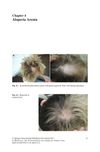 December 2016 in “Springer eBooks”
 A 45-year-old woman with autoimmune diseases experienced patchy hair loss due to alopecia areata, which has no cure but can be treated, with varying success.
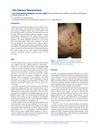 October 2016 in “Elsevier eBooks”
 Common noncancerous skin diseases have various treatments, including topical applications, light therapy, surgery, and medications, with psychological support being important.
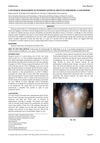 March 2016 in “Journal of evolution of medical and dental sciences”
 Combining OMP with cyclosporine can effectively treat severe alopecia areata in children.
 January 2016 in “Springer eBooks”
 Cryotherapy may be an effective and simple treatment for mild hair loss with few side effects.
 September 2015 in “British Journal of Dermatology”
 Most clinicians follow discharge guidelines, many lupus patients don't use sunscreen regularly, dithranol is effective for psoriasis, biopsy methods should be based on lesion type, voriconazole may raise skin cancer risk, a new scale can help diagnose female hair loss early, and most melanomas may develop from existing moles.
 January 2015 in “Journal of evolution of medical and dental sciences”
 Topical tacrolimus is effective and safe for treating alopecia areata.

Alopecia areata is an autoimmune disease affecting hair follicles and may harm heart health.
 January 2015 in “Journal of clinical & experimental dermatology research”
 A protein combining parathyroid hormone and collagen helped hair regrow in mice with a hair loss condition.
 October 2014 in “Journal of skin and stem cell”
 Elidel combined with tretinoin is more effective for treating alopecia areata than Elidel alone.
 July 2013 in “Our Dermatology Online”
 Minoxidil 2% is more effective than tacrolimus 0.1% for hair regrowth in mild to moderate patchy hair loss, and combining both might give better results.
 July 2012 in “Springer eBooks”
 The document concludes that proper diagnosis and treatment of nonscarring alopecias can improve quality of life and hair regrowth is possible as the hair follicle remains intact.
 April 2012 in “Informa Healthcare eBooks”
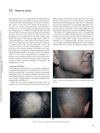
 Alopecia areata is a common autoimmune condition causing varying hair loss, diagnosed by specific patterns of inflammation around hair follicles, with several treatment options available.

Use the least toxic, most specific treatments for skin diseases, considering side effects and individual patient needs.
 September 2011 in “Journal der Deutschen Dermatologischen Gesellschaft”
 Effective treatments for scalp psoriasis include glucocorticosteroids, Vitamin D3 analogs, and combination therapies like calcipotriol and betamethasone dipropionate.
 January 2011 in “International Journal of Trichology”
 The document concludes that doctors should recognize congenital triangular alopecia to avoid unnecessary treatments, as it does not respond to steroids like alopecia areata does.
 January 2010 in “Elsevier eBooks”
 The document concludes that different types of hair loss have specific treatments, and early diagnosis is crucial for preventing permanent hair loss.
 October 2003 in “Journal of Investigative Dermatology Symposium Proceedings”
 Mice treatments didn't grow hair, a patient treatment may affect immune response, and people with hair loss often feel anxious or depressed.
 September 2003 in “Clinics in Family Practice”
 Different hair diseases affect people during childbearing years, with treatments ranging from medication to psychological support.
 June 2003 in “Journal of Investigative Dermatology Symposium Proceedings”
 Advancements in hair biology include new treatments and tools for hair growth and alopecia.
 May 2003 in “Journal of Investigative Dermatology”
 The meeting covered advances in understanding hair growth, causes of hair loss, and potential treatments.
 May 2003 in “Facial Plastic Surgery Clinics of North America”
 Hair loss can be treated with medications like minoxidil and finasteride or surgery, but treatment effectiveness varies by alopecia type and accurate diagnosis is important.
 October 2001 in “WORLD SCIENTIFIC eBooks”
 Many substances, including chemicals and metals, can cause skin reactions; careful handling and identification of allergens are crucial to prevent dermatitis.
 April 1982 in “Journal of The American Academy of Dermatology”
 Retinoids help treat psoriasis effectively, but they can cause side effects and need more research on safe use with other treatments.
 July 1980 in “Journal of The American Academy of Dermatology”
 The conference concluded that understanding hair and nail disorders is important, iron deficiency may be linked to hair loss, and while some treatments for skin conditions are effective, they may have risks and high costs.
 506 citations
,
January 2012 in “Molecular and Cellular Endocrinology”
506 citations
,
January 2012 in “Molecular and Cellular Endocrinology” Melatonin affects many body functions beyond sleep by interacting with specific receptors in various tissues.
 451 citations
,
March 2005 in “Endocrine Reviews”
451 citations
,
March 2005 in “Endocrine Reviews” The enzyme steroid sulfatase is linked to breast cancer and other conditions, and inhibitors are being developed for treatment.
 403 citations
,
November 2005 in “Journal of Endocrinology”
403 citations
,
November 2005 in “Journal of Endocrinology” Dehydroepiandrosterone (DHEA) is a prohormone important for producing sex steroids and has potential health benefits.
 220 citations
,
August 1988 in “Clinical endocrinology”
220 citations
,
August 1988 in “Clinical endocrinology” Melatonin may help with sleep issues, depression, and cancer, but more research is needed.
 191 citations
,
February 2002 in “Archives of Dermatology”
191 citations
,
February 2002 in “Archives of Dermatology” Some herbal therapies may help with skin conditions, but more research is needed to confirm their safety and effectiveness.