 October 2023 in “Dermatology practical & conceptual”
 Pulse corticosteroids help regrow hair in alopecia areata but have side effects, especially betamethasone.
Various treatments exist for hair loss, but no definitive solution.
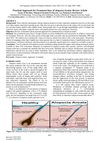 July 2023 in “The Egyptian Journal of Hospital Medicine ”
 The conclusion is that emotional support and a variety of treatments are important for alopecia areata, but more research is needed.
 June 2023 in “International Journal of Clinical Research and Reports”
 Method B with propylene glycol is better for stable low-concentration DPCP solutions for alopecia areata.
 June 2023 in “Dermatology and therapy”
 The Middle East and Africa need better data, treatment consensus, and support for Alopecia Areata.
Non-invasive methods can effectively diagnose and manage alopecia areata.
Both treatments for localized alopecia areata are equally effective.
 May 2023 in “Dermatology and therapy”
 The document concludes that identifying the cause of eyebrow and eyelash loss is key to treating it and improving quality of life.
 April 2023 in “Tikrit journal of pharmaceutical sciences”
 Ginger extract helps hair growth and reduces the need for prednisolone in alopecia areata patients.
 October 2022 in “Southeast Asian journal of health professionals”
 Hair greying is seen as a sign of aging; temporary fixes like hair dye are used, but a balanced diet and hair care can help manage it.
 October 2022 in “The Egyptian Journal of Hospital Medicine”
 Topical corticosteroids are the preferred first treatment for children with Alopecia Areata.
 July 2022 in “Al-Mağallaẗ al-ʻirāqiyyaẗ li-l-ṣaydalaẗ”
 Azelaic acid cream can effectively treat scalp hair loss.
 January 2022 in “Dermatology Review”
 Higher IL-31 levels are linked to worse itching in chronic kidney disease patients.
 July 2021 in “Clinical case reports and studies”
 Topical diphencyprone effectively treated a 9-year-old boy's alopecia areata with fewer side effects.
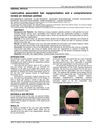
Lamivudine might reverse hair graying and needs more research for potential treatments.
Alopecia Areata has no cure, treatments are limited, and the condition often recurs, but new therapies like JAK inhibitors show promise.
 February 2021 in “Journal of pharmaceutical and biological sciences”
 No cure exists for alopecia areata, and treatments are personalized.
 January 2021 in “Online Publication Service of Würzburg University (Würzburg University)”
 Diphenylcyclopropenon treatment for Alopecia areata is effective and safe, improving patients' quality of life.
 January 2020 in “Nasza Dermatologia Online”
 A mixture of Dijon mustard, turmeric powder, and linseed oil can effectively treat alopecia barbae.
 January 2020 in “Elsevier eBooks”
 Plant-based chemicals may help hair growth and prevent hair loss but need more research to compete with current treatments.
 January 2020 in “Der Pharmacia Lettre”
 Nanoparticle-based herbal remedies could be promising for treating hair loss with fewer side effects and lower cost, but more research is needed.
 November 2019 in “Harper's Textbook of Pediatric Dermatology”
 The document is a detailed medical reference on skin and genetic disorders.
The document is a detailed guide on skin conditions and treatments for dermatologists.
 June 2019 in “Journal of evolution of medical and dental sciences”
 Dermoscopy is useful for tracking alopecia areata treatment, with yellow dots and new vellus hairs being good indicators of hair regrowth.
 October 2018 in “Springer eBooks”
 The document concludes that various hair disorders have different treatments, including medication, surgery, and addressing underlying causes.
 July 2018 in “Elsevier eBooks”
 The most common cause of hair loss in children is tinea capitis, followed by alopecia areata and telogen effluvium.
 July 2018 in “European Medical Journal”
 Fumaric acid esters, especially dimethylfumarate, improve psoriasis treatment.
Alopecia Areata is treated with drugs and therapies to reduce inflammation and immune response.
Sinsun-yukza-hwan extract promotes hair growth in mice.
Botulinum toxin type A significantly reduces scalp psoriasis severity compared to placebo.