75 citations
,
September 1985 in “Archives of dermatology” Two boys had a rare skin condition needing to be differentiated from similar disorders, with unclear inheritance due to few cases.
 30 citations
,
June 2016 in “Journal of Human Genetics”
30 citations
,
June 2016 in “Journal of Human Genetics” Researchers found genetic mutations causing hypohidrotic ectodermal dysplasia in 88% of studied patients and identified new mutations and genetic variations affecting the disease.
 1 citations
,
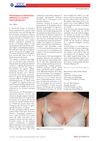
August 2012 in “Journal der Deutschen Dermatologischen Gesellschaft”
1 citations
,
August 2012 in “Journal der Deutschen Dermatologischen Gesellschaft” A woman's hyperandrogenism was caused by a genetic mutation leading to non-classic adrenogenital syndrome.
40 citations
,
July 2008 in “PROTEOMICS” A new model helps study acne and test treatments.
 6 citations
,
October 2017 in “Oncotarget”
6 citations
,
October 2017 in “Oncotarget” Hairless mice are more vulnerable to Listeria infection, but gut microbiota can help reduce damage.
8 citations
,
January 2018 in “Science of the total environment” Australian fur seals' fur shows high levels of pollutants, which may be linked to hair loss in young female seals.
46 citations
,
September 2007 in “Journal of Investigative Dermatology” 3 citations
,
September 2016 in “Pediatric Dermatology” Hypertrichosis (excessive hair growth) can help diagnose superficial epidermolytic ichthyosis.
3 citations
,
September 2017 in “Archives of dermatological research” Early diagnosis and tailored treatments are crucial for managing ichthyosis syndromes with hair abnormalities.
June 2010 in “Chinese Journal of Dermatology” A new gene mutation is linked to monilethrix in the studied family.
8 citations
,
February 2025 in “Cell Systems” Engineered bacteria can deliver antioxidants to protect skin.
 30 citations
,
August 2018 in “Dermatology and Therapy”
30 citations
,
August 2018 in “Dermatology and Therapy” Better-designed, long-term studies are needed to optimize treatment for trichotillomania and trichophagia.
 July 2022 in “Postepy biochemii”
 DNA markers can predict physical traits for forensic use, but there are ethical and technical challenges.
22 citations
,
December 2015 in “The journal of investigative dermatology/Journal of investigative dermatology” A mouse gene mutation increases the risk of skin cancer.
 245 citations
,
January 1998 in “Genes & Development”
245 citations
,
January 1998 in “Genes & Development” Hoxc13 gene is essential for hair, nail, and papilla development.
 December 2024 in “Genome Biology and Evolution”
 Snakes and worm lizards lost claw proteins due to similar evolutionary changes.
 January 2026 in “International Journal of Advanced Biochemistry Research”
 Dermatophytosis in calves is most common in winter, especially in 4-6 month-old female HF crossbreds.
July 2026 in “Pediatric Allergy and Immunology”  May 2026 in “International Research Journal of Ayurveda & Yoga”
 Certain physical traits can lead to health issues and need ongoing management.
 19 citations
,
May 2006 in “Clinical and Experimental Dermatology”
19 citations
,
May 2006 in “Clinical and Experimental Dermatology” Researchers found a new mutation causing total hair loss from birth.
 2 citations
,
June 2020 in “AIDS”
2 citations
,
June 2020 in “AIDS” Recreational drug use can cause misdiagnosed conditions and drug interactions in HIV patients.
The document describes a rare case of IFAP syndrome, a genetic condition with symptoms of hair loss, light sensitivity, and scaly skin.
 5 citations
,
June 2011 in “PLoS ONE”
5 citations
,
June 2011 in “PLoS ONE” Mammoth hair grew faster than human hair and showed seasonal changes in growth and mineral content.
 2 citations
,
September 2016 in “Symbiosis online journal of veterinary sciences”
2 citations
,
September 2016 in “Symbiosis online journal of veterinary sciences” A cat in Brazil was found with a severe skin condition linked to feline AIDS.
 1 citations
,
February 2013 in “InTech eBooks”
1 citations
,
February 2013 in “InTech eBooks” Genetic mutations cause various hair diseases, and whole genome sequencing may reveal more about these conditions.
November 2025 in “Journal of Investigative Dermatology” Alpha-MSH affects mitochondrial function, and MC1R mutations may increase skin aging.

Key genes for mink fur have been identified, aiding conservation efforts.
5 citations
,
June 2008 in “British Journal of Dermatology”  1 citations
,
November 2017 in “Expert opinion on orphan drugs”
1 citations
,
November 2017 in “Expert opinion on orphan drugs” Scientists now better understand the genetics of hypohidrotic ectodermal dysplasia, leading to more accurate diagnoses and potential new treatments.
9 citations
,
January 2014 in “Molecular Genetics and Metabolism Reports” The rhg mutation in mice affects the Oat gene, causing hair growth issues and other symptoms.