 January 2014 in “Journal of Pharmaceutical Negative Results”
 Liquorice and Indian jujube root extracts don't help in fighting male pattern baldness.
 7 citations
,
March 2017 in “Actas Dermo-Sifiliográficas”
7 citations
,
March 2017 in “Actas Dermo-Sifiliográficas” Several new treatments for different types of hair loss show promise in improving patient quality of life.
 5 citations
,
December 1979 in “Clinical and Experimental Dermatology”
5 citations
,
December 1979 in “Clinical and Experimental Dermatology” Anti-androgens are effective for female acne but less so for male-pattern hair loss, with side effects similar to birth control pills.
 November 2025 in “The Journal of Medical Sciences”
 Intralesional triamcinolone is more effective than cryotherapy for treating alopecia areata in middle-aged adults.
 124 citations
,
August 1990 in “British Journal of Dermatology”
124 citations
,
August 1990 in “British Journal of Dermatology” Diffuse alopecia in women may be related to androgens and iron deficiency, and basic hormone and nutrient screening is useful.
16 citations
,
March 2017 in “Oncotarget” SOCS3 treatment can prevent hair loss by stopping harmful immune responses.
 8 citations
,
April 2014 in “Anti-Cancer Drugs”
8 citations
,
April 2014 in “Anti-Cancer Drugs” A hormone linked to collagen helps hair grow back in mice after chemotherapy, and may also prevent bone loss.
 6 citations
,
April 2013 in “Current Dermatology Reports”
6 citations
,
April 2013 in “Current Dermatology Reports” Dermatologists are crucial for managing skin side effects in metastatic melanoma patients using vemurafenib and ipilimumab.
 1 citations
,
May 2021 in “Annals of the rheumatic diseases”
1 citations
,
May 2021 in “Annals of the rheumatic diseases” Tofacitinib is a promising treatment for children with rheumatic diseases.
1 citations
,
January 2015 in “Acta Dermato Venereologica” Autoimmune myopathy may be linked to hair loss and skin depigmentation.
June 2026 in “Frontiers in Medicine” The serum improved hair growth and condition after hair transplant.

The serum improved hair growth and comfort after hair transplant.
 December 2025 in “International Journal of Innovative Technologies in Social Science”
 New treatments for androgenetic alopecia show promise but need more research for validation.
 December 2023 in “European Journal of Pharmacology”
 C3G and Vitisin A may help prevent hair loss by blocking male hormones and stopping hair cell death.
 April 2023 in “Journal of The American Academy of Dermatology”
 Some drugs linked to growth hormones may increase the chance of hair loss in women.
 January 2017 in “Korean Journal of Pharmacognosy”
 Modified red ginseng extract promotes hair growth and has antioxidant and anti-inflammatory effects.
Hormonal treatments can help with hair loss, acne, and excess hair growth, but it takes 3-6 months to see results and patients should know the possible side effects.
 March 2014 in “Journal of The American Academy of Dermatology”
 A botanical extract may help manage hair loss from chemotherapy by preventing cell death in hair follicles.
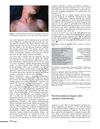
A boy on a ketogenic diet and anti-epileptic drugs developed skin issues due to stopping vitamin supplements, which improved with proper supplementation.
3 citations
,
January 2021 in “Journal of dermatology & cosmetology” Current alopecia treatments manage symptoms but don't cure, and better treatments are needed.
7 citations
,
August 2020 in “Majalah Farmasetika” A herbal hair tonic with 2.5% green tea extract is most effective for hair growth.
 4 citations
,
May 2022 in “Future Journal of Pharmaceutical Sciences”
4 citations
,
May 2022 in “Future Journal of Pharmaceutical Sciences” Melatonin-loaded microemulsion could be a promising treatment for hair loss.
2 citations
,
January 2025 in “Naunyn-Schmiedeberg s Archives of Pharmacology” Nanostructured lipid carriers can improve alopecia treatment by enhancing drug delivery and promoting hair growth.
 January 2026 in “International Journal of All Research Education & Scientific Methods”
 Alopecia is caused by various factors, and new treatments like gene editing and regenerative medicine offer hope for personalized hair regrowth solutions.
January 2026 in “Journal of Biosciences and Medicines” Androgenetic alopecia treatments focus on reducing hair loss by targeting hormones, with new therapies showing promise but needing more research.
Removing follicular plugging is crucial for effective alopecia treatment.
 August 2025 in “Drug Design Development and Therapy”
 Current treatments for androgenetic alopecia are complex and promising, but more research is needed.
 June 2025 in “Nanomedicine”
 Nanotechnology could improve hair loss treatments by delivering drugs more effectively.
November 2024 in “Dermatology Online Journal” Light-based therapies show promise as safe treatments for hair loss.
August 2024 in “Journal of Controlled Release” A new treatment using hybrid vesicles with gold nanoparticles and finasteride significantly improves hair regrowth for androgenetic alopecia.