The article concludes that better diagnosis and management of Polycystic Ovarian Syndrome are needed to improve women's health and prevent related diseases.
 January 2019 in “ISGE series”
 The document concludes that effectively managing PCOS requires a multifaceted approach.
 October 2016 in “Journal of the Dermatology Nurses’ Association”
 Polycystic Ovary Syndrome (PCOS) affects 6%-15% of women of reproductive age, causing symptoms like acne and hair loss, and increasing the risk of type 2 diabetes and heart disease; it's managed through diet, exercise, and medications like Metformin and hormonal contraceptives.
 September 2016 in “Gynecology Obstetrics and Reproductive Medicine”
 Effective treatment for skin issues in women with PCOS includes oral contraceptives, antiandrogens, and other medications and procedures.
 July 2016 in “British journal of dermatology/British journal of dermatology, Supplement”
 Hirsutism treatment should focus more on patient needs and quality of life.
Traditional Chinese Medicine, combined with antiandrogen therapy, could improve treatment and reduce side effects for genetic hair loss.
 January 2016 in “Springer eBooks”
 Hyperandrogenism, often causing excessive hair growth and acne, can be treated with methods like weight reduction, hair removal, various medications, and in the case of acne, topical treatments.
 July 2015 in “Cambridge University Press eBooks”
 The document concludes that treatments for female hair loss and excess body hair are available, but managing expectations is important.
 January 2015 in “Вестник дерматологии и венерологии”
 Some treatments like minoxidil, finasteride, and dutasteride are effective for hair loss, but there's no agreed best treatment.
 January 2015 in “Springer eBooks”
 The document concludes that managing PCOS involves lifestyle changes, medication, and monitoring for associated health risks.
July 2013 in “Revista da Universidade Vale do Rio Verde” Flutamide treatment showed no significant changes in mice vaginal mucosa.
January 2013 in “Obstetrical & gynecological survey” Most women with hirsutism have normal hormone levels and can be treated with cosmetic methods; obesity and PCOS are common causes, and treatments depend on the underlying issue.
The document concludes that hair loss in women can be caused by various factors and is managed with specific treatments like medication, therapy, and lifestyle changes.
November 2011 in “DOAJ (DOAJ: Directory of Open Access Journals)” Oral contraceptives can help manage acne by reducing androgen levels.
Finasteride reduces DHT to treat prostate issues and hair loss.
July 2008 in “International journal of psychophysiology” Cyproterone acetate is a safe treatment that causes mild feminizing effects in adolescent trans-girls.
 December 2005 in “Endocrine-related cancer”
 A woman's adrenal tumor disappeared after treatment with cyproterone acetate.
 November 2004 in “John Wiley & Sons, Ltd eBooks”
 Insulin resistance is linked to PCOS and can lead to other health issues, but treatments like metformin can help manage symptoms.
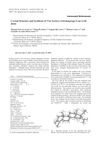 August 2002 in “Analytical Sciences”
 The document concludes that a compound with potential for treating prostate cancer and hair loss was successfully made and its detailed structure was confirmed.
 December 2000 in “Journal of the Royal Society of Medicine”
 Antiandrogen therapy may help treat hidradenitis suppurativa.
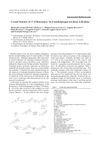 February 1999 in “Analytical Sciences”
 A new antiandrogen compound was made and its detailed three-dimensional shape was described.
 September 1998 in “JEADV. Journal of the European Academy of Dermatology and Venereology/Journal of the European Academy of Dermatology and Venereology”
 The document concludes that individualized treatments for hair issues are effective, certain hair changes can indicate neurocutaneous diseases, specific lotions improve skin health, laser hair removal works but needs more study on long-term effects, men's cosmetics are diverse, peeling is effective but can have side effects, and facial pigmentation is often due to overactive skin cells.
 March 1997 in “Journal of Endocrinology/Journal of endocrinology”
 Excessive hair growth in women can be treated with medications like spironolactone and finasteride, and male-pattern baldness in women can be improved with similar treatments.
 August 1996 in “Journal of Pediatric and Adolescent Gynecology”
 The document concludes that PCOS in adolescents is complex and requires comprehensive care to manage its symptoms and associated health risks.
January 2015 in “Hair transplant forum international” Female pattern hair loss is different from male pattern hair loss and has unclear genetic causes.
 April 2008 in “Blackwell Publishing Ltd eBooks”
 AGA causes permanent hair loss; minoxidil helps men, finasteride helps men, minoxidil somewhat helps women, estrogens/antiandrogens lack evidence for women.
December 1990 in “PubMed” Hirsutism and androgenetic alopecia in women are often due to increased androgen effects, and antiandrogen treatment is recommended to prevent further issues.
 103 citations
,
October 2003 in “Birth Defects Research”
103 citations
,
October 2003 in “Birth Defects Research” Both genes and environmental factors like chemicals may contribute to the increase in hypospadias, but the exact causes are still unclear.
74 citations
,
November 1975 in “Archives of dermatology” Increased DHT formation in skin can cause hair loss, acne, and excessive hair growth, and antiandrogens might treat these conditions.
 48 citations
,
January 2014 in “Dermatology Online Journal”
48 citations
,
January 2014 in “Dermatology Online Journal” New treatments for Dissecting cellulitis show promise, but more research is needed to understand the disease and establish a standard treatment plan.