January 2026 in “International Journal of Molecular Sciences” Hedgehog pathway inhibitors could be effective in treating melanoma.
October 2025 in “Science Advances” IFN-γ production by CD4 T cells is crucial for causing alopecia areata.
September 2025 in “International Journal of Molecular Sciences” Deucravacitinib may help treat various immune diseases beyond psoriasis, but more research is needed.
 December 2024 in “Quality in Sport”
 PCOS involves immune system issues and inflammation, possibly leading to autoimmune diseases.
 August 2024 in “Cell Death and Disease”
 Activating TLR9 helps heal wounds and regrow hair by using specific immune cells.
 May 2023 in “Frontiers in Endocrinology”
 Thyroid disease can cause skin, hair, and nail problems, and treating the thyroid condition often improves these symptoms.
 April 2023 in “Clinical Chemistry and Laboratory Medicine”
 The document concludes that inflammation markers can be used in diabetes, vitamin D3 affects immune pathways, hyperthyroidism changes hormone levels, androgen levels help diagnose Adrenocortical Carcinoma, erectile dysfunction is linked to diabetes, hypogonadism is common in HIV-infected males, and hormones can be biomarkers for various conditions.
Different types of sun exposure damage skin cells and immune cells, with chronic exposure leading to more severe and lasting damage.
46 citations
,
October 2018 in “JCI insight” CD8+ T cells are involved in alopecia areata and may cause disease relapse.
 45 citations
,
April 2019 in “International Immunology”
45 citations
,
April 2019 in “International Immunology” The study concluded that immune cells attacking hair follicles cause hair loss in alopecia, with genetics and environment also playing a role, and highlighted the potential of certain treatments.
14 citations
,
July 2022 in “Applied Sciences” Extracellular vesicles can help repair and regenerate tissues with less risk of rejection.

Alopecia Areata causes hair loss and needs treatments that address both physical and emotional health.
11 citations
,
February 2023 in “Journal of Investigative Dermatology” Low m6Ascores in melanoma predict better survival and response to immunotherapy.
 2 citations
,
November 2020 in “Der Hautarzt”
2 citations
,
November 2020 in “Der Hautarzt” A patient's hair loss may be linked to their diabetes medication, Sitagliptin.
 62 citations
,
January 2010 in “Hormone research in paediatrics”
62 citations
,
January 2010 in “Hormone research in paediatrics” Genetic screening is crucial for accurately diagnosing APS-1 due to its varied symptoms.
34 citations
,
November 2023 in “Applied Materials Today” Nanoemulsions can effectively treat skin cancer with fewer side effects.
 December 2012 in “Journal of dermatological science”
 Langerhans cells and melanocytes migrate to the skin and hair follicles during early human development.
 March 2026 in “BioScience Trends”
 UV radiation causes skin aging by damaging cells and triggering harmful processes.
 December 2022 in “Dermatology and Therapy”
 Alopecia areata needs more recognition and better treatment access in Latin America to improve patient care and outcomes.
 April 2019 in “The journal of investigative dermatology/Journal of investigative dermatology”
 Machine learning can predict how well patients with alopecia areata will respond to certain treatments.
 April 2019 in “The journal of investigative dermatology/Journal of investigative dermatology”
 HDAC inhibitors, like Vorinostat and Entinostat, can help regrow hair in alopecia areata.

Ruxolitinib cream shows promise for vitiligo, and early melanoma diagnosis is crucial.
 January 2023 in “Discovery immunology”
 T cells and bacteria in the gut and skin help maintain health and protect against disease.

Alopecia Areata has no cure, treatments are limited, and the condition often recurs, but new therapies like JAK inhibitors show promise.
 32 citations
,
May 2012 in “PloS one”
32 citations
,
May 2012 in “PloS one” Thymic transplantation normalized some T-cells but not others, maintaining immune function.
 15 citations
,
February 2017 in “Nursing Clinics of North America”
15 citations
,
February 2017 in “Nursing Clinics of North America” Targeted cancer therapies can cause skin side effects, which should be treated early to help patients' quality of life and treatment adherence.
 11 citations
,
November 2021 in “JDDG Journal der Deutschen Dermatologischen Gesellschaft”
11 citations
,
November 2021 in “JDDG Journal der Deutschen Dermatologischen Gesellschaft” Cutaneous angiosarcomas require a combined treatment approach, but prognosis is generally poor.
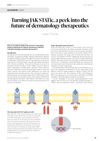 August 2024 in “New Zealand Medical Student Journal”
 JAK inhibitors show promise for treating skin diseases effectively and safely.
 7 citations
,
May 2020 in “Trends in molecular medicine”
7 citations
,
May 2020 in “Trends in molecular medicine” The document concludes that the immune-inhibitory environment of the hair follicle may prevent melanoma development.
 1 citations
,
October 2021 in “Bőrgyógyászati és Venerológiai Szemle”
1 citations
,
October 2021 in “Bőrgyógyászati és Venerológiai Szemle” New treatments for severe alopecia areata show promise but lack standard approval.