 1 citations
,
March 2011 in “Journal of Investigative Dermatology”
1 citations
,
March 2011 in “Journal of Investigative Dermatology” Blocking RANK signaling might help treat metastatic melanoma, but more research is needed.
 6 citations
,
April 2013 in “Current Dermatology Reports”
6 citations
,
April 2013 in “Current Dermatology Reports” Dermatologists are crucial for managing skin side effects in metastatic melanoma patients using vemurafenib and ipilimumab.
 87 citations
,
December 2016 in “British journal of dermatology/British journal of dermatology, Supplement”
87 citations
,
December 2016 in “British journal of dermatology/British journal of dermatology, Supplement” Cancer patients treated with immune checkpoint inhibitors may develop alopecia, but some hair regrowth is possible with treatment.
6 citations
,
December 2013 in “Journal of Investigative Dermatology Symposium Proceedings” Alopecia areata involves complex immune and genetic factors, with potential treatment targets identified, but more research is needed.
 24 citations
,
January 2008 in “KARGER eBooks”
24 citations
,
January 2008 in “KARGER eBooks” The document concludes that ongoing research using animal models is crucial for better understanding and treating Alopecia Areata.
 130 citations
,
November 2017 in “Frontiers in Immunology”
130 citations
,
November 2017 in “Frontiers in Immunology” The conclusion is that Treg-targeted therapies have potential, but more knowledge of Treg biology is needed for effective treatments, including for cancer.
 125 citations
,
September 2019 in “Journal of Clinical Immunology”
125 citations
,
September 2019 in “Journal of Clinical Immunology” Foxp3 is crucial for regulatory T cell function, and targeting these cells may help treat immune disorders.
1 citations
,
April 2015 in “InTech eBooks” RAGE is a potential target for melanoma treatment, but its effectiveness is uncertain due to variable expression levels.

Modern skin cancer treatments can cause skin side effects and hair loss, affecting patients' quality of life.
30 citations
,
February 2023 in “Journal of Investigative Dermatology” OX40-targeted therapies may help treat skin diseases by reducing inflammation and balancing immune responses.
6 citations
,
September 2024 in “Journal of Clinical Medicine” Thyroid and skin autoimmune diseases share genetic and immune links, affecting both tissues.
717 citations
,
June 2010 in “Nature” Alopecia areata involves both innate and adaptive immunity, with specific genes linked to the disease.
 59 citations
,
March 2013 in “European Journal of Obstetrics & Gynecology and Reproductive Biology”
59 citations
,
March 2013 in “European Journal of Obstetrics & Gynecology and Reproductive Biology” People with polycystic ovary syndrome have a higher chance of having chronic thyroiditis.
46 citations
,
November 2022 in “The Journal of Dermatology” Bullous pemphigoid is influenced by genetic factors, immune cell dysfunction, aging, and triggers, with treatment often improving symptoms.
 2 citations
,
February 2018 in “InTech eBooks”
2 citations
,
February 2018 in “InTech eBooks” TNF-alpha inhibitors can cause various immune-related skin issues.
 25 citations
,
May 2018 in “Clinical & Translational Oncology”
25 citations
,
May 2018 in “Clinical & Translational Oncology” New melanoma treatments can cause skin side effects, including skin cancer and rashes, but combining treatments may reduce these risks.
 1 citations
,
January 2010 in “Elsevier eBooks”
1 citations
,
January 2010 in “Elsevier eBooks” Any drug can cause skin reactions, but antibiotics, NSAIDs, and psychotropic drugs are more common, with some reactions being life-threatening.
 47 citations
,
March 2019 in “Journal of immunology research”
47 citations
,
March 2019 in “Journal of immunology research” Valproic Acid could potentially be used to treat immune-related conditions due to its ability to modify immune cell functions.
 March 2026 in “Frontiers in Immunology”
 Regulatory T cells help heal skin wounds by reducing inflammation and promoting tissue repair.
 35 citations
,
May 2012 in “Expert Opinion on Pharmacotherapy”
35 citations
,
May 2012 in “Expert Opinion on Pharmacotherapy” The document concludes that there are various treatments for different types of alopecia, but more research is needed for evidence-based treatments.
 19 citations
,
November 2023 in “npj Regenerative Medicine”
19 citations
,
November 2023 in “npj Regenerative Medicine” Synthetic melanin applied to skin speeds up wound healing.
 2 citations
,
March 2015 in “Expert opinion on orphan drugs”
2 citations
,
March 2015 in “Expert opinion on orphan drugs” New treatments for hair loss show promise but need more research to confirm safety and effectiveness.
 2 citations
,
February 2014 in “Hair therapy & transplantation”
2 citations
,
February 2014 in “Hair therapy & transplantation” Alopecia Areata is an autoimmune condition causing hair loss, influenced by genetics, environment, and possibly improved by anti-MIF therapy, with many patients experiencing regrowth within a year.
 144 citations
,
November 2020 in “Frontiers in immunology”
144 citations
,
November 2020 in “Frontiers in immunology” Targeting the IL-23/IL-17 pathway effectively treats several inflammatory skin diseases.
 1 citations
,
October 2022 in “Дерматовенерология Косметология”
1 citations
,
October 2022 in “Дерматовенерология Косметология” EGFR inhibitors for lung cancer can cause severe skin issues.
 148 citations
,
December 2018 in “Journal of autoimmunity”
148 citations
,
December 2018 in “Journal of autoimmunity” Alopecia areata is an autoimmune disease causing patchy hair loss, often with other autoimmune disorders, but its exact causes are unknown.
 January 2017 in “Springer eBooks”
 The document concludes that Cutaneous Lupus Erythematosus has different forms, is influenced by genetic and environmental factors, and can be treated with various medications, but more targeted therapies are needed.
44 citations
,
November 2022 in “Frontiers in Immunology” TLR-targeted therapies show promise in cancer treatment by helping destroy tumors.

Lupus is a complex disease that requires personalized treatment because it varies greatly between individuals.
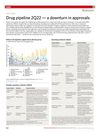 August 2022 in “Nature Biotechnology”
 Drug approvals slowed in 2Q22, but notable drugs like Amvuttra, Camzyos, and Olumiant were approved.