
Newly designed proteins can effectively degrade specific proteins in cells, offering a potential new therapy method.
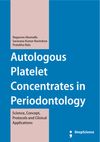
Autologous platelet concentrates help heal and regenerate dental tissues.
 November 2025 in “Nanoscale Advances”
 Inorganic nanoparticle-based scaffolds can improve wound healing by fighting bacteria and helping tissue grow.
 October 2025 in “Records of Natural Products”
 Kaempferol promotes hair growth and could be a natural treatment for hair loss.
 October 2025 in “Pakistan journal of urology.”
 Personalized, minimally invasive treatments improve urology outcomes.
 October 2025 in “Turkish Journal of Biochemistry”
 Technological advancements and standardization are crucial for improving diagnostic accuracy and laboratory efficiency.
 September 2025 in “Frontiers in Medicine”
 Angiopoietin-1 helps hair cells survive and grow, making it a potential treatment for hair loss.

Selenium is essential for health, but too little or too much can cause serious health problems.
 September 2025 in “BULLETIN OF STOMATOLOGY AND MAXILLOFACIAL SURGERY”
 Better supportive care is needed to manage chemotherapy side effects.
 July 2025 in “Scientific Reports”
 Six key genes can predict bladder cancer outcomes and may serve as prognostic biomarkers.
 July 2025 in “Journal of medical & health sciences review.”
 Ultrasound-assisted gene therapy could revolutionize tissue regeneration by improving gene delivery.

Certain plasma proteins and genes are linked to obstructive sleep apnea, suggesting potential new treatments.
Doxycycline or flucloxacillin can cause a rare, severe skin reaction that can be fatal, especially in the elderly.
 June 2025 in “Journal of Endocrinological Investigation”
 Adrenal disorders often cause high blood pressure in young people.
 May 2025 in “Cermin Dunia Kedokteran”
 Early detection and tailored treatment of lupus nephritis are crucial to prevent kidney damage.
 March 2025 in “OncoTargets and Therapy”
 A specific genetic trait in tumor cells is linked to longer survival without disease in certain lymphoma patients.
 January 2025 in “Directory of Open access Books (OAPEN Foundation)”
 PCOS affects women's hormones and metabolism, but can be managed with lifestyle changes and treatments.
 January 2025 in “Fitoterapia”
 Signaling pathways are key targets for developing effective drugs.
 December 2024 in “Turkish Society of Clinical Biochemistry”
 Higher BPA levels may be linked to idiopathic hyperandrogenemia in women.
 December 2024 in “Deleted Journal”
 New therapies show promise for wound healing, but more research is needed for safe, affordable options.
 October 2024 in “Irish Journal of Medical Science (1971 -)”
 Continuous glucose monitoring and GLP-1 receptor agonists improve diabetes management, but personalized care and education are crucial.
 August 2024 in “UPI Journal of Pharmaceutical Medical and Health Sciences”
 PRP shows promise in musculoskeletal rehabilitation but needs standardized reporting for better outcomes.
 August 2024 in “OSMANGAZİ JOURNAL OF MEDICINE”
 The visfatin GT genotype may increase the risk of Alopecia Areata.
Prostatitis is a common male condition with various causes and treatments, often involving antibiotics and lifestyle changes.
Four genes are linked to alopecia areata, with two increasing risk and two offering protection.
 April 2024 in “Journal of cancer research and clinical oncology”
 Tissue-derived extracellular vesicles are crucial for cancer diagnosis, prognosis, and treatment.
 April 2024 in “Research Square (Research Square)”
 MSC-protein helps regenerate gum tissue and bone.
 March 2024 in “Frontiers in genetics”
 Different types of fibroblasts play specific roles in wound healing and cancer, which could help improve treatments.
 February 2024 in “Scientific reports”
 Four genes are potential markers for hair loss condition alopecia areata, linked to a specific type of cell death.

New insights into cell communication in psoriasis suggest innovative drug treatments.