 14 citations
,
January 2017 in “Pharmacological Reports”
14 citations
,
January 2017 in “Pharmacological Reports” TP0427736 may help treat hair loss by blocking a specific protein and promoting hair growth.
Microneedling is an effective way to treat hair loss from androgenetic alopecia.
 December 2025 in “International Journal of Advanced Research”
 Some herbal remedies like onion juice, rosemary oil, and pumpkin seed oil may help with hair loss.
 March 2024 in “International journal of pharmaceutical sciences and drug research”
 Androgenetic alopecia is influenced by various factors and can be treated with medications, procedures, and non-drug methods.
 December 2023 in “International Journal of Medical Sciences And Clinical Research”
 Dermoscopy is a useful tool for diagnosing female pattern hair loss.
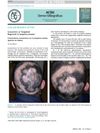 April 2016 in “Actas Dermo-Sifiliográficas”
 The document concludes that a unique target-like hair regrowth pattern in alopecia areata may be more common than thought and should be properly identified.
July 2026 in “Journal of the American Academy of Dermatology”  January 2024 in “International Journal of Health Science”
 Scalp cooling and low-power light therapy show promise in reducing chemotherapy-induced hair loss but need more research.
 67 citations
,
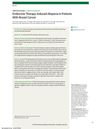
April 2018 in “JAMA Dermatology”
67 citations
,
April 2018 in “JAMA Dermatology” Hair loss from hormone therapy in breast cancer patients can be improved with minoxidil treatment.
 4 citations
,
August 2011 in “Aktuelle Dermatologie”
4 citations
,
August 2011 in “Aktuelle Dermatologie” Topical melatonin is a safe treatment that may reduce hair loss in people with androgenetic alopecia.
January 2026 in “Open MIND” Targeting the PIEZO1 and MLCK axis may offer a new treatment for hair loss.
8 citations
,
January 2002 in “Piel” Postmenopausal women may experience frontal hairline and eyebrow loss due to cicatricial fibrosis.
 November 2019 in “Journal of Aesthetic Nursing”
 The article concludes that a thorough diagnosis and treatment plan, including medications, non-invasive methods, or surgery, is important for managing hair loss, with a combination of minoxidil and finasteride being particularly effective.
January 2026 in “Jurnal Akta Trimedika” Microneedling with PRP effectively improved hair growth and thickness in androgenic alopecia without side effects.
 October 2025 in “Journal of Cosmetic Dermatology”
 Conventional treatments like dutasteride and minoxidil are effective for male hair loss, with some alternative treatments also showing promise.
January 2023 in “Indian Dermatology Online Journal” A 23-year-old man has a benign, non-progressive hair loss patch that doesn't respond to treatment but can be cosmetically treated.
January 2026 in “Surgical & Cosmetic Dermatology”  January 2012 in “Yearbook of Dermatology and Dermatologic Surgery”
 Alopecia areata is a hair loss condition that often starts before age 30 and can affect various body parts, with unpredictable hair regrowth chances.
 January 2012 in “Elsevier eBooks”
 Hair loss can cause emotional and social issues, and various treatments, including medication, surgery, and psychological support, are needed.
 April 2016 in “Plastic and reconstructive surgery. Global open”
 Tafluprost could be a potential treatment for hair loss by promoting hair growth phase changes.
January 2021 in “CRC Press eBooks” Hair loss can have various causes and treatments vary in effectiveness.

Androgenetic alopecia (AGA) is a common, hereditary hair loss condition that can be slowed but not permanently reversed with available therapies.
 July 2009 in “Medical & surgical dermatology”
 Low-dose acitretin helps nail psoriasis, stem cells may treat scarring alopecia, Chinese men have lower baldness rates, lateral foldplasty is good for ingrown toenails, hair diameter helps diagnose female baldness, childhood trauma linked to alopecia areata, certain hair-weaving leads to scalp conditions in African American women, and new methods for hair research and understanding hair and sweat gland development were introduced.
2 citations
,
January 1996 in “Annals of saudi medicine/Annals of Saudi medicine” Alopecia areata is unpredictable, with limited treatment effectiveness, especially in severe cases.
 April 2012 in “Informa Healthcare eBooks”
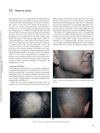
 Alopecia areata is a common autoimmune condition causing varying hair loss, diagnosed by specific patterns of inflammation around hair follicles, with several treatment options available.
January 2026 in “Zenodo (CERN European Organization for Nuclear Research)” Alopecia areata has multiple causes and treatment options beyond genetics.
April 2023 in “Journal of Investigative Dermatology” New drug targets for hair loss treatment were identified by studying cell interactions in hair follicles.
 18 citations
,
August 2012 in “Journal of The American Academy of Dermatology”
18 citations
,
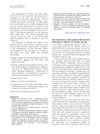
August 2012 in “Journal of The American Academy of Dermatology” Estrogen therapy helped regrow hair in a bald man.