 August 2025 in “Journal of Cosmetic Dermatology”
 Interest in new and personalized treatments for hair loss is growing.
 April 2025 in “Physical and Engineering Sciences in Medicine”
 PCOS forum users view lifestyle changes and supplements positively, but have mixed feelings about contraceptive pills.
 February 2025 in “Medico Research Chronicles”
 Verilich hair serum significantly reduces hair shedding and is safe to use.
 January 2025 in “International Journal of Unani and Integrative Medicine”
 Combining modern and Unani treatments may offer better care for hirsutism in PCOS.
 December 2024 in “Revista Brasileira de Plantas Medicinais”
 Phenolic compounds may help treat hair loss, but more research is needed.
Hair RiseTM microemulsion effectively promotes hair growth and treats hair loss better than standard treatments.
 October 2024 in “Journal of the Endocrine Society”
 Estrogen alone may effectively suppress testosterone in some transfeminine individuals.
 October 2024 in “Journal of the Endocrine Society”
 Estrogen alone can lower testosterone in some transfeminine people.
 September 2024 in “International Journal of Molecular Sciences”
 Hydrangea serrata extract may promote hair growth and improve hair health.
A 22-year-old woman with a rare genetic condition was successfully treated to develop normal female characteristics and regular menstruation.
 May 2024 in “Aktualʹnì problemi sučasnoï medicini: Vìsnik Ukraïnsʹkoï medičnoï stomatologìčnoï akademì”
 Spironolactone and clascoterone are promising acne treatments with fewer side effects.
 April 2024 in “Canadian Women s Health Today”
 PCOS treatment focuses on lifestyle changes and specific medications to manage symptoms and complications.
 January 2024 in “Expert Opinion on Pharmacotherapy”
 Low-dose oral minoxidil is effective and safe for treating hair loss in men and women.
 January 2024 in “Wiadomości Lekarskie”
 The ABI1 gene contributes to prostate cancer progression and treatment resistance.
 February 2023 in “European Journal of Dermatology”
 The document concludes that injecting dutasteride into the skin (mesotherapy) can effectively treat common hair loss in both men and women.
 December 2022 in “International Journal of Current Science Research and Review”
 Polycystic Ovary Syndrome (PCOS) is a common but often undiagnosed disorder in women that can cause irregular periods, infertility, and other symptoms, and can be managed with lifestyle changes, medication, and sometimes surgery.
 December 2022 in “International Journal of Biomedicine”
 Androgens may worsen COVID-19 and hair loss could indicate the disease's severity.
 November 2021 in “Research Outreach”
 Low testosterone levels may lead to more severe COVID-19 outcomes.
 June 2021 in “Pharmaceutical sciences”
 Flutamide emulgel with 1% Transcutol P absorbs better through the skin than other mixtures.
 November 2020 in “Journal of The American Academy of Dermatology”
 Men with male pattern baldness may be more at risk for severe COVID-19, and anti-androgen treatments could offer protection.
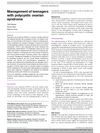 May 2019 in “Paediatrics and child health”
 The document concludes that personalized treatment, including lifestyle changes and medication, is essential for managing PCOS in teenagers, while also addressing their psychological well-being.
 January 2018 in “Springer eBooks”
 The document says that early treatment of Acne Vulgaris is important to prevent scarring and that adult onset acne is common in women, often due to hormonal imbalances.
 January 2018 in “Hair transplant forum international”
 Nutrafol might help reduce hair loss due to inflammation, but more evidence is needed.
April 2016 in “The FASEB Journal” Blocking androgen receptors early in life increases estrogen levels and reduces sexual motivation in male rats.
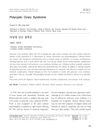 December 2015 in “Kosin Medical Journal”
 PCOS treatment should address both symptoms and metabolic risks, starting with lifestyle changes and possibly including medication.
 January 2014 in “Journal of Investigative Dermatology”
 Proteins like aPKC and PDGF-AA, substances like adenosine and ATP, and adipose-derived stem cells all play important roles in hair growth and health, and could potentially be used to treat hair loss and skin conditions.
 February 2013 in “Jurnal Biomedik : JBM”
 The sebaceous gland plays a significant role in hair loss and thinning, and using growth stimulators, DHT inhibitors, anti-inflammatory drugs, anti-androgens, and super oxide dismuse substances can help manage it.
 November 2011 in “Informa Healthcare eBooks”
 Environmental, chemical, mechanical, and personal health factors can all damage hair and contribute to hair loss or changes in hair quality.
October 2011 in “The American Journal of Gastroenterology” Methadone may worsen liver fibrosis in males with HCV.
 June 2011 in “Oncology times”
 Dr. Mario Lacouture recommends preventive and specific treatments for skin side effects caused by EGFR inhibitors to improve patients' quality of life.