 October 2024 in “Cochrane library”
 No high-certainty evidence supports any specific acne treatment.
12 citations
,
May 2015 in “Journal of the National Comprehensive Cancer Network” Doctors should actively prevent and treat skin side effects in cancer patients to keep them on the best medication and reduce discomfort.
7 citations
,
June 2000 in “Journal of the American Academy of Dermatology” Foam corticosteroid covers as well as traditional forms.
 October 2023 in “Journal der Deutschen Dermatologischen Gesellschaft”
 Pregnancy can trigger severe rosacea, which may be treated with antibiotics and steroids, but there's no clear treatment guideline.
 January 2025 in “Scripta Medica”
 Natural hydrolates may improve burn healing and fight antibiotic resistance.
 15 citations
,
January 2016 in “Dermatologic Clinics”
15 citations
,
January 2016 in “Dermatologic Clinics” Start acne treatment early to prevent scarring, consider antibiotic resistance, use maintenance therapy, and manage side effects carefully.
 14 citations
,
November 1987 in “Journal of The American Academy of Dermatology”
14 citations
,
November 1987 in “Journal of The American Academy of Dermatology” A woman developed a severe skin reaction called toxic epidermal necrolysis after taking the antibiotic cephalexin.
 June 2018 in “Disease-a-Month”
 Remove inflamed cysts surgically, avoid topical antibiotics on wounds, treat skin and mouth conditions with specific medications, and address underlying causes of hair loss.
 August 2018 in “Journal of The American Academy of Dermatology”
 A 5-year-old girl with a rare skin disorder was effectively treated with skin creams instead of oral medication.
 May 2004 in “Pediatric Dermatology”
 Atopic dermatitis may have genetic causes and can be treated with pharmacologic methods, glycerin creams, and controlling Staphylococcus aureus colonization.
 January 2012 in “Springer eBooks”
 Lupus can cause different skin problems, and treatments like quitting smoking and using certain creams or medicines can help.
 44 citations
,
March 2020 in “Antibiotics”
44 citations
,
March 2020 in “Antibiotics” Rosemary extracts with carnosic acid and carnosol can reduce the harmfulness of Staphylococcus aureus without stopping its growth.
 December 2024 in “International Journal For Multidisciplinary Research”
 Topical creams are commonly used for treating non-infective skin diseases in children, with antifungals being the most prescribed.
 4 citations
,
October 2022 in “Microbial Cell Factories”
4 citations
,
October 2022 in “Microbial Cell Factories” Certain bacteria from the Citrullus colocynthis plant may be a new source of antibiotics to fight drug-resistant diseases.
7 citations
,
February 2024 in “ACS Applied Materials & Interfaces” A new light-activated treatment speeds up healing of infected wounds without antibiotics.
68 citations
,
January 2014 in “Dermatology research and practice” Skin side effects from cancer drugs targeting EGFR can affect treatment adherence but can be managed with antibiotics like tetracycline.
 15 citations
,
April 2022 in “Biointerface Research in Applied Chemistry”
15 citations
,
April 2022 in “Biointerface Research in Applied Chemistry” Medicinal plants may be an effective alternative for treating acne.

The combination therapy effectively improved acne keloidalis nuchae.
 12 citations
,
November 2011 in “International Journal of Dermatology”
12 citations
,
November 2011 in “International Journal of Dermatology” A woman developed a scalp condition from using minoxidil, which improved with a different treatment but left scarring.
 9 citations
,
August 2002 in “Current Opinion in Pediatrics”
9 citations
,
August 2002 in “Current Opinion in Pediatrics” An 18-year-old girl with pemphigus vulgaris needed strong medication and careful treatment due to ineffective initial therapies and side effects.
 January 2016 in “Springer eBooks”
 Understanding drug interactions, side effects, and patient-specific factors is crucial for effective dermatological care.
 September 1983 in “Journal of The American Academy of Dermatology”
 Experts discussed hair care, genetic hair defects, hair loss treatments, nail surgery, lupus treatments, skin infections, and cosmetic allergies.
 March 2024 in “International Journal of Drug Delivery Technology”
 Electrospun nanofiber mats are effective drug carriers for improving wound healing.
 109 citations
,
March 2011 in “Journal of controlled release”
109 citations
,
March 2011 in “Journal of controlled release” New micelle solutions greatly improve skin delivery of certain antifungal drugs.
 33 citations
,
December 2013 in “Journal of cutaneous pathology”
33 citations
,
December 2013 in “Journal of cutaneous pathology” A fungal infection can look like a different scalp condition in teens, leading to wrong treatment until proper tests are done.
 11 citations
,
May 2010 in “Annals of the Academy of Medicine Singapore”
11 citations
,
May 2010 in “Annals of the Academy of Medicine Singapore” Tinea capitis can cause scalp issues in children and should be considered in similar cases; treatment with griseofulvin and selenium sulfide is effective.
 September 2024 in “World Journal of Biology Pharmacy and Health Sciences”
 Plasma helps heal wounds and improve skin and tissue health.
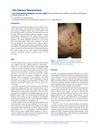 October 2016 in “Elsevier eBooks”
 Common noncancerous skin diseases have various treatments, including topical applications, light therapy, surgery, and medications, with psychological support being important.
 August 2010 in “The Journal of Dermatology”
 The document concludes that low-dose acne treatment is most suitable for moderate acne, with high patient satisfaction and low relapse rates.
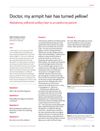
A 15-year-old boy's smelly, yellow armpit hair improved with clindamycin treatment.