Search
for
Sort by
Research
480-510 / 1000+ resultsresearch ALOPECIA AREATA TREATED WITH THORIUM-X
research Sequential immunotherapy for alopecia areata: phase-driven immune rebalancing
Sequential immunotherapy can effectively treat alopecia areata by managing inflammation and promoting hair regrowth.
research The Case of the Elusive Androgen
The patient's high testosterone was reduced by a medication that suppresses gonadotropin.
research Female androgenetic alopecia with male pattern caused by an androgen-producing tumor
Androgen-producing ovarian tumors can cause male-pattern hair loss in women.
research From Misdiagnosis to Targeted Therapy: A Case Report of Folliculitis Decalvans and Lichen Planopilaris Phenotypic Spectrum
Accurate diagnosis is crucial for effective treatment of similar hair loss conditions.
research 584 Dandruff is associated with perturbations of hair follicle immune privilege, and the infundibular and epidermal immune microenvironment
Dandruff is linked to changes in the immune system of hair follicles and skin.
research Editor's evaluation: Involvement of ILC1-like innate lymphocytes in human autoimmunity, lessons from alopecia areata
ILC1-like cells can independently cause alopecia areata by affecting hair follicles.
research Altered expression of intracellular Toll-like receptors in peripheral blood mononuclear cells from patients with alopecia areata
Increased Toll-like receptors in blood cells may contribute to alopecia areata and could be a target for new treatments.

research A descriptive study of alopecia patterns and their relation to thyroid dysfunction
Hair loss is often linked to thyroid problems, especially in women and older people, and screening for thyroid issues is advised for those with hair loss.
research CD4+ Treg expansion arrests disease progression in a pre-clinical model of alopecia areata
Expanding CD4+ Tregs can stop hair loss in alopecia areata.

research Frontal Fibrosing Alopecia
A 66-year-old woman experienced hair loss due to Frontal Fibrosing Alopecia, a condition with no consistently effective treatment, but it usually stabilizes over time. More research is needed for better understanding and treatment options.

research Comparative investigation of immune-related biomarkers related to alopecia areata subtypes
Alopecia areata is linked to immune system differences, with specific biomarkers like CXCL9 and CXCL10 being key for diagnosis and potential treatment targets.
research Biochemical Alterations and Immune-Inflammatory Responses in Alopecia Areata: A Case-Control Study
Alopecia areata involves immune issues, inflammation, and nutrient deficiencies.

research Efficacy of tofacitinib as an induction agent in severe alopecia areata compared to oral betamethasone weekly pulse
Tofacitinib is effective for severe alopecia areata, similar to oral betamethasone.
research Alopecia areata
Baricitinib shows promise for severe alopecia areata but isn't a cure and has side effects.
research Is there a pathogenetic link between frontal fibrosing alopecia, androgenetic alopecia and fibrosing alopecia in a pattern distribution?
Frontal fibrosing alopecia and androgenetic alopecia may be related, with a possible shared cause.

research Regulatory T cells in skin mediate immune privilege of the hair follicle stem cell niche
Regulatory T cells protect hair follicle stem cells by maintaining immune privilege in the skin.
research Immunohistochemical Characterization of the Cellular Infiltrate in Severe Alopecia areata before and after Minoxidil Treatment
Minoxidil helps hair regrowth in severe alopecia areata by changing immune cell behavior.
research Tretinoin Treatment of Fox-Fordyce Disease
Tretinoin may be effective for treating Fox-Fordyce disease.
research Clinical Significance of Dense Fine Speckled Pattern in Anti-nuclear Antibody Test using Indirect Immunofluorescence Method
The dense fine speckled pattern in ANA tests is common in autoimmune diseases, challenging previous beliefs that it was unrelated.
research Alopesi areata hastalarında serum interferon-gama, tümör nekrozis faktör-alfa, interlökin-13, interlökin-17 ve transforming growth faktör-beta düzeylerinin değerlendirilmesi
Atopy and altered T cell functions contribute to Alopecia Areata.

research Inositol and FSH: A new frontier for the androgenetic alopecia treatment
Inositol and folic acid treatment significantly reduced hair loss and other symptoms in patients with androgenetic alopecia, but more research is needed for confirmation.
research Interferon alfa-2a in the treatment of cutaneous T cell lymphoma
Interferon alfa-2a is effective for treating cutaneous T cell lymphoma but has significant side effects.

research COLLAB: A Global Survey of Clinical and Laboratory Assessment in Alopecia Areata by Hair Specialists
Hair specialists vary in testing for alopecia areata, highlighting the need for standard guidelines.
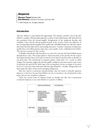
research Alopecia
Alopecia areata is a reversible, autoimmune-related hair loss that can have significant emotional impact and uncertain treatment effectiveness.
research Alopecia Areata: Clinical Treatment
Alopecia areata treatments should be personalized, using options like steroids, JAK inhibitors, and other therapies based on individual needs.
research 049 Investigating the immunomodulatory mechanism of dithranol in alopecia areata through blood-based in vitro studies
Dithranol reduces inflammation in alopecia areata by lowering certain immune responses.
research 1373 Expression of programmed cell death 1 inversely correlated with the density of CD8+ T cells infiltrating hair follicles in alopecia areata
Higher PD-1 levels are linked to fewer immune cells in hair follicles in alopecia areata.