 July 2020 in “International journal for research in applied science and engineering technology”
 The herbal shampoo made from local plants can reduce hair loss and promote hair growth.
 January 2020 in “Nasza Dermatologia Online”
 A mixture of Dijon mustard, turmeric powder, and linseed oil can effectively treat alopecia barbae.
 December 2019 in “International journal of engineering applied science and technology”
 Tridax procumbens, a weed, has various medicinal properties including wound healing and antibacterial effects.
 August 2019 in “Reactions Weekly”
 Daclizumab may cause psoriasis-like skin problems in multiple sclerosis patients.
May 2019 in “Small Animal Dermatology” The dog had a good prognosis with proper treatment and cleaning.
January 2019 in “INTAS POLIVET” The dog fully recovered and regrew hair after treatment.
 July 2018 in “Elsevier eBooks”
 The most common cause of hair loss in children is tinea capitis, followed by alopecia areata and telogen effluvium.
 June 2018 in “Reactions Weekly”
 A 65-year-old man developed a serious skin cancer linked to a drug he was taking for a fungal infection after a bone marrow transplant.

Tinea capitis in adults often leads to misdiagnosis or delayed diagnosis due to atypical symptoms, requiring careful examination for proper treatment.
January 2018 in “Archivio istituzionale della ricerca (Alma Mater Studiorum Università di Bologna)” Prompt veterinary care and proper diagnosis are crucial for treating rare fungal skin diseases in horses.
January 2018 in “INTAS POLIVET” The dog recovered successfully after treatment with multiple medications.
Griseofulvin is still the best treatment for tinea capitis.
 July 2017 in “International journal of Ayurvedic and herbal medicine”
 Madayantika Siddha Taila is effective for treating Seborrhea capitis.
 May 2017 in “InTech eBooks”
 Early treatment of children's hair loss, which can be caused by various factors, is important due to its emotional impact.
Cosmetics can help with mild skin problems and daily care but must be used carefully to avoid skin irritation.
January 2016 in “Elsevier eBooks” Dermatophycosis is a treatable fungal skin infection spread by contact with infected animals.
November 2015 in “Pediatrics in review” The boy had severe facial swelling and scalp infection after using his mother's shampoo.
 July 2014 in “Elsevier eBooks”
 The document concludes that various hypersensitivity diseases in horses can be diagnosed and treated with methods like immunotherapy and medication, and early aggressive treatment is crucial for severe diseases like equine cutaneous pythiosis.
 June 2013 in “Revista cubana de plantas medicinales”
 Sida cordifolia is rich in saponins with antioxidant and antifungal properties.
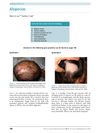 February 2013 in “Archives of Disease in Childhood: Education & Practice”
 Different types of alopecia in children require specific diagnoses and treatments.
February 2013 in “Archives of Disease in Childhood Education & Practice” Kerion, a severe scalp infection, causes hair loss and needs oral antifungal treatment.
The HG3 hair gel is the most effective for treating seborrheic dermatitis.
January 2013 in “Annals of Ayurvedic Medicine” Abrus precatorius seed oil promotes hair growth and has antifungal properties.
 January 2012 in “Postgraduate obstetrics & gynecology”
 Up to 50% of women may experience significant hair loss by age 50, with various causes and treatments available.
 February 2010 in “Journal of The American Academy of Dermatology”
 NB-002 is a promising new topical treatment for fungal nail infections, showing better results than a non-medicated option.
April 2005 in “World Journal of Pharmaceutical and life sciences” Fluconazole-loaded hair gel may offer a longer-lasting dandruff treatment.
August 2004 in “Veterinary Dermatology” Cats with internal diseases can develop skin issues that may require specific treatments.
 July 1996 in “Annals of Internal Medicine”
 Long-term high-dose fluconazole can cause reversible hair loss.
September 2022 in “Medical Mycology” Malassezia fungi may contribute to hair loss and inflammation in androgenetic alopecia.
125 citations
,
May 2010 in “Pediatric dermatology” Systemic treatment is necessary for tinea capitis in children, with griseofulvin preferred for Microsporum infections.