 3 citations
,
January 2018 in “PeerJ”
3 citations
,
January 2018 in “PeerJ” Researchers created a long-lasting mouse skin cell strain that may help with hair growth research and treatments.
3 citations
,
February 2015 in “Mechanisms of development” Hormones and stretching both needed for nipple area skin growth in mice.
 1 citations
,
January 2022 in “Health”
1 citations
,
January 2022 in “Health” COVID-19 has widely affected health, various industries, and the economy, but also led to more remote work and less pollution.
1 citations
,
January 2020 in “Bioscience Reports” Long-term use of finasteride in women can cause hormonal changes, DNA damage, and menstrual issues.
1 citations
,
August 2005 in “Springer eBooks” Alopecia areata is an autoimmune disease with genetic links, treatable with certain medications, and can affect mental health.
1 citations
,
January 1989 Four antibodies were developed to help study hair follicle cell differentiation.
January 2026 in “Veterinary Sciences” Skin maturation in Dezhou donkey foals involves better barrier function, hair growth, and less collagen production.
January 2026 in “Non-coding RNA Research” Exosomal miRNA-218-5p promotes hair growth and development.
December 2025 in “Preprints.org” Aging dermal papilla cells can be reprogrammed for potential hair growth and skin repair.
December 2025 in “FEBS Open Bio” Long-term skin biopsy cultures can produce many fibroblasts that remain functional and can be reprogrammed.
October 2025 in “Phytomedicine” Bazi Bushen capsules reduce skin aging and damage from UV rays.
September 2025 in “Cell Reports” Skin stretching can improve vaccine delivery through hair follicles and boost immune response.
April 2025 in “Journal of Biophotonics” PBM therapy improves mitochondrial function and promotes tissue regeneration in dental pulp stem cells.
 January 2025 in “Clinical Cosmetic and Investigational Dermatology”
 Pediatric alopecia areata is more immune-active than adult cases, suggesting age-specific treatments and potential use of JAK inhibitors.
August 2024 in “International Journal of Molecular Sciences” Mesenchymal Stem Cell therapy shows promise for treating hair loss in Alopecia Areata.
 August 2024 in “International Journal of Molecular Sciences”
 Androgenetic alopecia involves immune cell disruptions, especially increased CD4+ T cells around hair follicles.
July 2024 in “Journal of Investigative Dermatology” Targeting TCR-Vβ2 in cutaneous T cell lymphoma shows promise for safer, more specific treatment.
 June 2024 in “Computational and Structural Biotechnology Journal”
 Multi-omics techniques help understand the molecular causes of androgenetic alopecia.
 April 2024 in “Histochemistry and cell biology”
 N-acetylcysteine may prevent hair loss caused by chemotherapy.
 April 2024 in “Pigment cell & melanoma research”
 Different types of resting melanocyte stem cells have unique characteristics and vary in their potential to become other cells.
Hair proteins in preschool children and their mothers could indicate developmental changes and health status.
January 2024 in “International journal of molecular sciences” Hoxc13 gene affects wool length in Gansu alpine fine-wool sheep.
 December 2023 in “International Journal of Molecular Sciences”
 Men with early balding showed higher levels of certain genes linked to hair loss and possibly prostate cancer.
 November 2023 in “ACS Omega”
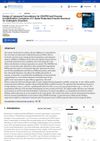
 New liposome treatment successfully delivers CRISPR to deactivate a key enzyme in androgen-related disorders.
 September 2023 in “Medicine”
 The research suggests immune system changes and specific gene expression may contribute to male hair loss, proposing potential new treatments.
June 2023 in “International journal of molecular sciences” Heat stress changes goats' skin and hair at the microscopic level and affects their genes and skin bacteria.
 January 2023 in “Theranostics”
 Mechanical force is important for the first contact between skin cells and hair growth in mini-organs.
 June 2022 in “Research Square (Research Square)”
 Nestin-expressing cells turn into a specific type of skin cell in hair follicles during development and in adults.
April 2018 in “Journal of Investigative Dermatology” Melanogenesis-related proteins may trigger immune responses in alopecia areata patients.
Protein profiling of forehead skin can help distinguish between frontal fibrosing alopecia and androgenetic alopecia.