Search
for
Sort by
Research
150-180 / 1000+ resultsresearch TACRINE
Tacrine was used for Alzheimer's but had side effects like skin reactions and hair loss.
research PD05-05 SINGLE CENTRE EXPERIENCE OF CHELATING AGENTS IN CYSTINURIA
Both penicillamine and tiopronin have significant side effects, but trying the alternative drug can be beneficial if the first is not tolerated.
research Characterization of the in vitro, ex vivo, and in vivo Efficacy of the Antimicrobial Peptide DPK-060 Used for Topical Treatment
DPK-060 in poloxamer gel effectively treats skin infections, but nanocarriers don't enhance its efficacy.

research Exploring murE protein inhibitors of Tropheryma whipplei through pharmacoinformatic approaches incorporating solubility-enhancing formulation insights
[6]-Gingerdiol 3-monoacetate shows promise for treating T. whipplei infections.
research Down-regulation of Melanocortin Receptor Signaling Mediated by the Amino Terminus of Agouti Protein in XenopusMelanophores
Agouti protein affects melanocortin receptors through competitive antagonism and receptor down-regulation.
research Lipid-based liquid crystals as drug delivery vehicles for antimicrobial peptides
Cubosomes enhance antimicrobial peptide stability and effectiveness.

research Effect of N-acetylcysteine on hair follicle changes in mouse model of cyclophosphamide-induced alopecia: histological and biochemical study
N-acetylcysteine may prevent hair loss caused by chemotherapy.
research All-trans-retinoic acid inhibits mink hair follicle growth via inhibiting proliferation and inducing apoptosis of dermal papilla cells through TGF-β2/Smad2/3 pathway
All-trans-retinoic acid stops mink hair growth by affecting cell growth and causing cell death.
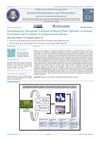
research Unraveling the Therapeutic Potential of Miracle Plant ‘Aftimoon’ in Disease Prevention and Treatment: A Comprehensive Review
Aftimoon has potential health benefits for various diseases and could be integrated into modern healthcare.
research 306 Effect of Cellular Blood Components on Chemotherapy Induced Alopecia
Mononuclear cells may protect against certain chemotherapy-induced hair loss.
research A fast and simple FIA-chemiluminescence method for the evaluation of Roselle flowers as scavenger of the free radicals generated by UV irradiated antibiotics
Roselle flower extracts can protect against free radical damage in UV-irradiated antibiotics.
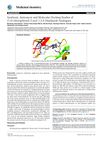
research Synthesis, Anticancer and Molecular Docking Studies of 2-(4-chlorophenyl)-5-aryl-1,3,4-Oxadiazole Analogues
The compound 4c showed strong potential as an anticancer agent.

research Doxorubicin-induced hair loss in the Angora rabbit: a study of treatments to protect against the hair loss
Vitamin E in the diet might help protect against hair loss caused by the chemotherapy drug doxorubicin in rabbits.
research Formulation of chloroaluminum phthalocyanine incorporated into PS-b-PAA diblock copolymer nanomicelles
The PS-b-PAA copolymer nanomicelles are effective for delivering a cancer treatment drug in photodynamic therapy.

research Synergistic Antibacterial Activity and Wound Healing Properties of Selenium-Chitosan-Mupirocin Nanohybrid System: An in Vivo Study on Rat Diabetic Staphylococcus aureus Wound Infection Model
The nanohybrid system significantly improved wound healing and showed strong antibacterial activity.
research Chemotherapy-Induced Alopecia
Imuvert can prevent some chemotherapy-induced hair loss.

research 1409 Temporary cell cycle arrest by ALRN-6924: A novel, p53-targeting strategy to protect human scalp hair follicles against cyclophosphamide-induced alopecia
ALRN-6924 can protect hair follicles from chemotherapy damage by temporarily stopping cell division.

research Predicting therapeutic drugs for hepatocellular carcinoma based on tissue-specific pathways
Securinine and ajmaline may effectively treat liver cancer, with securinine being less toxic to normal cells.
research Pharmacological Activity of Cepharanthine
Cepharanthine has many medicinal uses but needs improvement for better effectiveness.

research ZnO@PDA@Ag Nanocomposite-Mediated Delivery of 9-Bromonoscapine, an Anticancer Agent, for Enhanced Lung Cancer Therapy
The nanocomposite effectively targets lung cancer cells without harming normal cells.
research Antihepcidin antibody treatment modulates iron metabolism and is effective in a mouse model of inflammation-induced anemia
Antihepcidin antibodies may treat inflammation-induced anemia by improving iron metabolism.
research A phase I study of MK-5108, an oral aurora A kinase inhibitor, in both monotherapy and in combination with docetaxel in patients with advanced solid tumors.
MK-5108 is safe and shows potential against tumors, especially alone.
research Prevention of chemotherapy drug-mediated human hair follicle damage: combined use of cooling with antioxidant suppresses oxidative stress and prevents matrix keratinocyte cytotoxicity
Cooling with antioxidants helps protect hair during chemotherapy.
research Chelators Depigment and Inorease Elasticity of Mink Skin
Certain chelators lighten mink skin and hair, increase skin elasticity, and disrupt hair growth without affecting fur quality.
research Phytochemical analysis and antibacterial activities of Avicennia marina (Forssk.) Vierh. extracts against Vancomycin-resistant Enterococcus faecium
Avicennia marina leaf extract can fight Vancomycin-resistant bacteria.

research Efficacy and safety of ozenoxacin 1% cream, a novel antibiotic for the topical treatment of impetigo in children and adults
Ozenoxacin 1% cream is an effective and safe treatment for impetigo in children and adults.
research 549 Temporary cell cycle arrest in human scalp hair follicles and their epithelial stem cells by ALRN-6924: A novel strategy to selectively protect p53-wildtype cells against paclitaxel-induced alopecia
ALRN-6924 may prevent hair loss caused by chemotherapy.
research Antimelanogenic effect of ginsenoside Rg3 through extracellular signal-regulated kinase-mediated inhibition of microphthalmia-associated transcription factor
Ginsenoside Rg3 from Panax ginseng can lighten skin by reducing melanin production.
research Photo-Responsive Ascorbic Acid-Modified Ag2S–ZnS Heteronanostructure Dropping pH to Trigger Synergistic Antibacterial and Bohr Effects for Accelerating Infected Wound Healing
A new light-activated treatment speeds up healing of infected wounds without antibiotics.