Search
for
Sort by
Research
30 / 474 results
research Polycystic ovarian syndrome in patients with schizophrenia treated with atypical anti-psychotics: A case control study
Women with schizophrenia on atypical antipsychotics are more likely to have polycystic ovarian syndrome (PCOS) than women without schizophrenia.

research Adverse Cutaneous Reactions to Antipsychotics
Some patients taking antipsychotic medications experience skin reactions, ranging from mild to severe.

research Efficacy of bergamot: From anti‐inflammatory and anti‐oxidative mechanisms to clinical applications as preventive agent for cardiovascular morbidity, skin diseases, and mood alterations
Bergamot may improve heart health, skin conditions, and mood, but more research is needed to confirm these benefits.

research The Impact of Metformin on Plasma Prolactin Levels in Antipsychotics‐Treated Men With Hyperprolactinemia and Early‐Onset Androgenic Alopecia
Metformin lowers prolactin in men with normal hair but not in those with early hair loss.

research P.3.a.011 Dietary intake in subjects with early psychosis: is there a relationship with clinical subtype or antipsychotic treatment?
People with early psychosis eat more calories, saturated fat, and sugar, and the drug olanzapine may lead to eating even more calories.
research Hair loss in psychopharmacology.
Some psychiatric medications can cause hair loss, but stopping or reducing the dose usually reverses it.

research Psychological interventions in the management of common skin conditions
Using psychological treatments can help manage skin conditions along with regular medical care.
research Psychodermatology
Many skin patients also have mental health issues, and doctors should treat both together.
research Under-diagnosed psychiatric syndrome. I: Trichotillomania.
Trichotillomania is a chronic condition where people uncontrollably pull out their hair, often starting in childhood.
research Diagnostic criteria for enduring sexual dysfunction after treatment with antidepressants, finasteride and isotretinoin
The document sets criteria for diagnosing long-term sexual dysfunctions caused by certain medications.

research Update on psychodermatological disorders
Treating both the mind and skin together, especially by managing stress, can greatly improve outcomes for skin disorders linked to psychological issues.

research Drug-induced gynecomastia: A systematic review and meta-analysis of randomized clinical trials
Certain drugs, especially antiandrogens and spironolactone, significantly increase the risk of gynecomastia.

research Psychotropic Treatment of Psychodermatologic Disorders
Psychotropic drugs can help treat skin conditions affected by mental health, but dermatologists must use them carefully due to side effects and patient concerns.
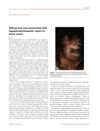
research Diffuse hair loss associated with hyperprolactinaemia: report of three cases
High levels of prolactin in the blood can be linked to widespread hair loss.

research Comparison of Alopecia severity and blood level of testosterone in men suffering schizophrenia with control group
Men with more severe hair loss had a lower risk of schizophrenia, but hair loss and testosterone levels were not linked.

research Trichotillomania in Childhood: A Case Report
Early diagnosis and comprehensive treatment can significantly improve trichotillomania in children.
research Hair-Pulling Disorder
New treatments for hair-pulling disorder focus on personalized approaches and combining therapies for better results.
research Trichotillomania
Trichotillomania is a chronic hair-pulling disorder, more common in females, treated with therapy and sometimes medication.

research “Doctor, You Must Examine My Creature Collection!”: A Case Report of Delusional Infestation
A man wrongly believed he had parasites, showing that delusional infestation can affect men and is often linked with other psychiatric issues, but can be treated with antipsychotics.

research What is the best treatment for post-finasteride syndrome?
There is no proven treatment for post-finasteride syndrome yet.

research What is the best treatment for post-finasteride syndrome?
There is no proven treatment for post-finasteride syndrome yet.
research Plica Neuropathica as a Presenting Rare Dermatologic Symptom of Schizophrenia
Plica neuropathica can be a sign of schizophrenia and improves with antipsychotic treatment.
research Is sulfonamide group of tamsulosin main factor in the pathophysiology of floppy iris syndrome?
Tamsulosin's sulfonamide group may contribute to floppy iris syndrome.

research Trichotillomania and Traction Alopecia
Hair pulling disorder is treated with therapy and medication; hair loss from tension can be reversed if caught early.
research Olanzapine Induced Hair Loss: A Case Report
Stopping the drug olanzapine can reverse hair loss caused by it.
research Quetiapine Induced Hair Loss in an Adolescent Case
A teenager's hair loss was caused by the drug quetiapine but improved after stopping the medication.

research Hair loss due to aripipirazole use: a case report
Stopping aripiprazole can reverse its side effect of hair loss.

research Alopecia associated with quetiapine
Quetiapine may cause hair loss, a side effect not widely recognized before.

research Childhood onset trichotillomania: a retrospective analysis of 78 cases visiting tertiary general hospital
Children with trichotillomania often pull hair from their scalp and may have other mental health issues.