Search
for
Sort by
Research
180-210 / 1000+ results
research Tofacitinib for the Treatment of Three Immune-mediated Conditions in One Patient: Ulcerative Colitis, Pyoderma Gangrenosum, and Alopecia Areata
Tofacitinib improved ulcerative colitis, skin ulcers, and hair loss in a patient who didn't respond well to other treatments.

research A Real-World Study of Steroid-Free Monotherapy with Tofacitinib in Severe and Therapy-Recalcitrant Alopecia Areata, Alopecia Totalis, and Alopecia Universalis Cases: A Retrospective Analysis
Tofacitinib was effective for severe, treatment-resistant hair loss without side effects.
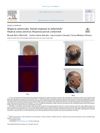
research Alopecia universalis. Partial response to tofacitinib
Tofacitinib partially improved hair regrowth in a patient with severe hair loss.

research South Asian Epidemic of Antifungal Therapeutic Failures: Congress Proceedings and Take-home Messages. First International Congress of SAARCUM: South Asian Alliance against Recalcitrant Cutaneous Mycosis. 17 November 2018, Medanta – The Medicity, Gurugram, India
The congress concluded that misuse of antifungal drugs in South Asia has led to widespread treatment failure, and new approaches and regional cooperation are needed.
research Dermatological drugs, topical agents, and cosmetics
Dermatological drugs and cosmetics can cause serious side effects like cancer, allergies, and heart issues.

research Treatment of resistant alopecia areata with tofacitinib
Tofacitinib may be effective for treating hair loss caused by alopecia areata that doesn't respond to other treatments.

research Old drug new indication: Tofacitinib for a new crop of hair?
Tofacitinib might be used to treat hair loss.

research Alopecia After Switch to Tenofovir Alafenamide in 6 African American Women
Six African American women experienced hair loss after switching to a new HIV medication.

research Advances in nucleoside monophosphate prodrugs as anti-HCV agents
New treatments for Hepatitis C show promise but need more research to confirm their safety and effectiveness for clinical use.
research PROTACs in 2025: from the laboratory concept to clinical breakthrough
PROTACs have become a breakthrough in medicine by effectively targeting and degrading specific proteins to treat diseases.

research Resistant alopecia areata treated with tofacitinib
Tofacitinib can be effective in treating hair loss caused by alopecia areata.

research Network-Based Approaches Reveal Potential Therapeutic Targets for Host-Directed Antileishmanial Therapy Driving Drug Repurposing
Researchers identified five new potential targets for leishmaniasis treatment, suggesting repurposing existing drugs could be effective.
research Arsenic Trioxide as Effective Therapy for Relapsed Acute Promyelocytic Leukemia
Arsenic trioxide effectively treats relapsed acute promyelocytic leukemia with manageable side effects.
research Supplemental Material: Tolerability and Efficacy of Unorthodox Dosing Regimens of Tofacitinib and Baricitinib in Pediatric Patients with Moderate to Severe Alopecia Areata
Unorthodox dosing of tofacitinib and baricitinib is safe but less effective than standard dosing for treating alopecia areata in kids.
research In Silico and In Vitro Screening Constituents of Eclipta alba Leaf Extract to Reveal Antimicrobial Potential
Eclipta alba leaf extract shows strong antibacterial effects against certain bacteria but not tuberculosis.

research Clinical experiences on alopecia areata treatment with tofacitinib: A study of 63 patients
Tofacitinib is effective and safe for long-term treatment of severe alopecia areata, with many patients achieving complete hair regrowth.
research Dermatological drugs, topical agents, and cosmetics
Tretinoin gel is safe for sun exposure, but tacalcitol doesn't significantly improve non-segmental vitiligo.

research Screening of drugs with potential antifungal activity for repurposing in the treatment of cryptococcosis.
Certain antiparasitics and antidepressants show promise for treating cryptococcosis, especially when combined with fluconazole.
research Immunosuppressive therapy in autoimmune disease — A review
Immunosuppressive therapy helps manage autoimmune diseases but carries risks like infection and potential for malignancy.

research Selective Sensing of Darolutamide and Thalidomide in Pharmaceutical Preparations and in Spiked Biofluids
A new, efficient method has been developed to detect darolutamide and thalidomide, drugs used for certain hair loss and prostate cancer treatments, in pharmaceuticals and body fluids.
research Trastuzumab Induced Chemobrain, Atorvastatin Rescued Chemobrain with Enhanced Anticancer Effect and without Hair Loss-Side Effect
Atorvastatin reversed memory problems caused by cancer drug trastuzumab and improved its cancer-fighting abilities without causing hair loss.
research Queries and Minor Notes
The reply suggests checking for false positive or asymptomatic syphilis and using penicillin for treatment if necessary.

research Review article: dermatological complications of immunosuppressive and anti-TNF therapy in inflammatory bowel disease
Immunosuppressive and anti-TNF therapies in IBD patients can increase the risk of skin cancer and cause various skin issues.
research Identification, diagnosis and successful therapy of dermatophilosis in an organized dairy herd of buffaloes
Buffaloes with skin issues were cured using tetracycline injections.

research Severe and Fatal Phenobarbitone Eruptions
Phenobarbitone can cause severe and sometimes fatal skin reactions.

research Alopecia areata and tofacitinib: a prospective multicenter study from a Saudi population
Tofacitinib is effective and safe for treating severe hair loss in a Saudi population.
research Tebentafusp-tebn (Kimmtra®)
Tebentafusp-tebn improves survival rates in uveal melanoma patients but has common side effects like rash and fatigue.

research Treatment of longstanding alopecia areata universalis of the eyebrows/facial hair with oral and topical tofacitinib
Oral and topical tofacitinib can effectively treat severe hair loss with minimal side effects.
research [Study of gonadal hormone drugs in blocking filovirus entry of cells in vitro].
Some gonadal hormone drugs can block filovirus entry into cells.