28 citations
,
November 2018 in “American Journal of Medical Genetics Part A” ODC1 gene mutations cause a neurodevelopmental disorder with large head size, hair loss, and facial abnormalities.
49 citations
,
March 1996 in “Experimental Brain Research” 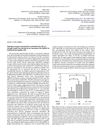 19 citations
,
September 2011 in “Journal of Dermatological Science”
19 citations
,
September 2011 in “Journal of Dermatological Science” TGF-β1 increases androgen receptor activity in hair loss, but Hic-5/ARA55 can counter this effect.
8 citations
,
December 2013 in “The journal of investigative dermatology. Symposium proceedings/The Journal of investigative dermatology symposium proceedings” Mouse models help understand alopecia areata and find treatments.
January 2025 in “Journal of College of Physicians And Surgeons Pakistan” Minimally invasive glaucoma surgery can effectively manage glaucoma in GAPO syndrome when other treatments fail.
January 2006 in “Chinese Journal of Dermatology” Amelanotic melanocytes from hair follicles are immature and likely don't transfer melanosomes to keratinocytes.
845 citations
,
February 2001 in “The Journal of Clinical Endocrinology & Metabolism” The enzyme for activating vitamin D is found in many body tissues, not just the kidneys.
 February 2025 in “Advanced Composites and Hybrid Materials”
 Glutamic acid microneedle patches promote better hair growth than traditional treatments.
21 citations
,
November 2019 in “Molecular & Cellular Proteomics” Citrullinated proteins from Porphyromonas gingivalis may contribute to rheumatoid arthritis.
3 citations
,
April 2024 in “Molecular Human Reproduction” Paxillin may help manage androgen-related disorders like PCOS by stabilizing androgen receptor proteins.
 8 citations
,
June 2019 in “Scientific Reports”
8 citations
,
June 2019 in “Scientific Reports” Increased PPARGC1α relates to hair thinning in common baldness.
February 2023 in “PLOS ONE” Caizhixuan hair tonic helps treat hair loss by promoting hair growth and improving hair follicles.
 43 citations
,
May 1988 in “British Journal of Dermatology”
43 citations
,
May 1988 in “British Journal of Dermatology” Patients with acanthosis nigricans often have insulin resistance and signs of increased male hormones, but treatment targeting these male hormones is generally ineffective.
 35 citations
,
January 2013 in “The Journal of experimental medicine/The journal of experimental medicine”
35 citations
,
January 2013 in “The Journal of experimental medicine/The journal of experimental medicine” CD98hc's role in skin health decreases with age.
2 citations
,
June 2020 in “Clinical & experimental allergy/Clinical and experimental allergy” Referral rates for anaphylaxis patients improved significantly after implementing guidelines.
 19 citations
,
January 2018 in “Acta dermato-venereologica”
19 citations
,
January 2018 in “Acta dermato-venereologica” People with alopecia areata have higher levels of a heart disease marker than those without hair loss.
12 citations
,
July 2015 in “Experimental Dermatology” Gasdermin A3 overexpression in skin causes inflammation and hair loss.
 February 2023 in “bioRxiv (Cold Spring Harbor Laboratory)”
 Merkel cells stabilize nerve endings in the skin, and they change independently of each other.
July 2005 in “The American Journal of Human Genetics” The AR gene is linked to male-pattern baldness, TNFSF4 to heart disease, SLC19A3 to BBGD, MCT8 to a syndrome, and segmental duplications to genetic variation.
April 2017 in “The Journal of urology/The journal of urology” SHH protein helps nerve regeneration in hypertensive rats.
January 2024 in “Neuroscience Applied” Oxytocin receptor changes in hair cells may help identify autism, especially in males.
 2 citations
,
January 2017 in “Folia biologica”
2 citations
,
January 2017 in “Folia biologica” The KRTAP7-1 gene is very similar across different cattle and yak breeds and likely plays a role in hair strength and shape.
 86 citations
,
July 1990 in “British Journal of Pharmacology”
86 citations
,
July 1990 in “British Journal of Pharmacology” Diazoxide, minoxidil sulphate, and cromakalim relax rat blood vessels by opening K+ channels, with some differences in their actions.
September 2025 in “Radboud University Press eBooks” AHR ligands could treat inflammatory skin diseases.
9 citations
,
May 2002 in “PubMed” Retinoic acid affects skin and hair health by working with specific receptors, and its absence can lead to hair loss and skin changes.
January 2007 in “日本看護学会抄録集 成人看護1” Certain amino acids in 5AR1 and 5AR2 are crucial for binding and resistance to Finasteride.
2 citations
,
September 2017 in “Journal of Investigative Dermatology” Notch1 signaling is impaired in hidradenitis suppurativa, affecting skin and hair cells.
March 2026 in “Wound Repair and Regeneration” MARCKSL1 is important for wound healing and could be a target to reduce scarring.
January 2003 in “Zhonghua shiyan waike zazhi” Androgen, especially DHT, is crucial for erectile function in rats by affecting specific brain neurons.
October 2024 in “Developmental Dynamics” Recent advances show zebrafish can model anemia, Alx4 affects craniofacial and hair development, and mTORC1 is crucial for retinal development.