 August 2008 in “European Neuropsychopharmacology”
 RY-023, a specific drug, can improve early stage memory learning without affecting general activity in rats, but it's less effective for later learning stages and doesn't impact memory recall.
60 citations
,
May 2006 in “Journal of Neurochemistry” Social isolation makes rats more sensitive to alcohol's effects on the brain.
19 citations
,
July 2023 in “Neuroscience & Biobehavioral Reviews” Endogenous neurosteroids may set a baseline mood.
 February 2026 in “PubMed”
 Finasteride withdrawal causes anxiety-like behavior in male rats.
11 citations
,
November 2011 in “Neuroreport” Paroxetine relieves pain by increasing allopregnanolone levels.
 May 2024 in “Brain disorders”
 Agmatine may help reduce seizures linked to hormone changes in female rats.
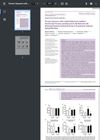 December 2023 in “Alzheimer's & dementia”
 Finasteride may help reduce anxiety and depression in elderly but might cause depression in young men.
 April 2024 in “JOURNAL OF Mental Health Concerns”
 Self-affirmation therapy significantly reduces student anxiety before presentations.
6 citations
,
April 2019 in “Advances in Pharmacology and Pharmacy” Mimosa pudica extract may help create new sedative and anti-anxiety drugs.
 2 citations
,
January 1984 in “Progress in neuro-psychopharmacology & biological psychiatry”
2 citations
,
January 1984 in “Progress in neuro-psychopharmacology & biological psychiatry” Benzodiazepines changed hormone levels but did not affect hair growth in women with idiopathic hirsutism.
September 2012 in “DOAJ (DOAJ: Directory of Open Access Journals)” D-004 shows moderate antidepressant effects but is less effective than Sertraline and Imipramine.
 48 citations
,
June 1988 in “PubMed”
48 citations
,
June 1988 in “PubMed” Minoxidil sulfate relaxes muscle by increasing potassium flow, making it a unique muscle relaxer.
April 2008 in “Annals of General Psychiatry” Social isolation changes brain receptors and makes ethanol more impactful.
 86 citations
,
July 1990 in “British Journal of Pharmacology”
86 citations
,
July 1990 in “British Journal of Pharmacology” Diazoxide, minoxidil sulphate, and cromakalim relax rat blood vessels by opening K+ channels, with some differences in their actions.
11 citations
,
December 2012 in “Alcoholism Clinical and Experimental Research” Ethanol withdrawal reduces the brain's response to certain calming steroids, making seizures harder to control.
 1 citations
,
September 2003 in “The Journal of the American Animal Hospital Association/Journal of the American Animal Hospital Association”
1 citations
,
September 2003 in “The Journal of the American Animal Hospital Association/Journal of the American Animal Hospital Association” Transdermal fluoxetine is less effective in cats, clomipramine may help with feline alopecia, younger dogs often start fights, dietary changes can reduce cribbing in horses, negative aggression tests in shelter dogs predict good behavior, many older cats show cognitive issues, and fluoxetine or paroxetine can improve canine anxiety.
32 citations
,
September 2010 in “Stress” Neurosteroids help protect fetal brains from asphyxia damage.
Blocking 5α-reductase can reduce sleep deprivation-related behavioral issues in rats.
16 citations
,
November 2018 in “The journal of pain/Journal of pain” 14,15-EET may help reduce poststroke pain by affecting certain brain proteins.
 15 citations
,
June 2019 in “Journal of Neuroendocrinology”
15 citations
,
June 2019 in “Journal of Neuroendocrinology” Isoallopregnanolone may be a safe and effective treatment for reducing tics in a mouse model of Tourette syndrome.
 5 citations
,
December 2015 in “Dermatologic Therapy”
5 citations
,
December 2015 in “Dermatologic Therapy” Using a certain drug on the skin can help prevent hair loss caused by pulling on the hair.
12 citations
,
February 2017 in “Journal of neuroscience research” Removing certain brain receptors in mice worsens seizure severity and response to treatment during hormone withdrawal.
22 citations
,
April 2004 in “Journal of Neurochemistry” Acute stress increases Y1 receptor gene expression in certain brain areas, but repeated stress does not.
November 2001 in “The Journal of neuropsychiatry and clinical neurosciences/The journal of neuropsychiatry and clinical neurosciences” Divalproex sodium can unexpectedly cause agitation and hyperactivity in some patients.
 April 2016 in “Journal of Investigative Dermatology”
 Phenylephrine may help prevent hair loss from pulling on the hair roots.
 19 citations
,
January 2009 in “Journal of Young Pharmacists”
19 citations
,
January 2009 in “Journal of Young Pharmacists” Alcoholic extract of Eclipta alba may help treat allergies and is safe at high doses.
26 citations
,
April 2022 in “Evidence-based Complementary and Alternative Medicine” Anethole reduces inflammation and oxidative stress in colitis.