 January 2007 in “대한피부과학회지”
 The document's conclusion can't be summarized because the text is not in English and the document content is not provided.
 January 2017 in “IMC Journal of Medical Science”
 A rare endocrine disorder, APS 1, was diagnosed in a 26-year-old man in Bangladesh.
147 citations
,
August 2005 in “The Plant Cell” The TIP1 gene is crucial for normal plant cell growth in Arabidopsis.
 June 2025 in “International Journal of Computational Intelligence Systems”
 The TPAP method effectively categorizes androgenetic alopecia patients with high accuracy, but needs real-world validation.
 October 2025 in “Open Repository of the University of Porto (University of Porto)”
 Dutasteride is more effective than finasteride for hair growth, and sublingual apomorphine quickly improves Parkinson's symptoms.
88 citations
,
July 2009 in “Experimental and Clinical Endocrinology & Diabetes” April 2012 in “Journal of evolution of medical and dental sciences” No effective treatment exists to stimulate hair growth in atrichia with papular lesions.
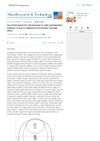 September 2023 in “Skin Research and Technology”
 The paper suggests a way to diagnose male hair loss and check treatment results using a dermoscope at four specific scalp points.
5 citations
,
January 2015 in “Case reports in medicine” A baby was diagnosed with IFAP syndrome due to a new genetic mutation, showing severe skin and developmental issues.
 January 2023 in “Intisari Sains Medis”
 Andropause is strongly associated with hair loss in male civil servants.
January 2017 in “Seoul National University Open Repository (Seoul National University)” AIMP1 can boost hair growth by increasing stem cell activity.
 November 2021 in “bioRxiv (Cold Spring Harbor Laboratory)”
 4-aminopyridine helps skin wounds heal faster and better.
1 citations
,
March 2025 in “Pediatric Dermatology” New tools help doctors better assess and treat alopecia areata in kids by considering more than just hair loss.
3 citations
,
July 2022 in “Indian Journal of Dermatology” ALEP is a drug-triggered skin reaction with pustules that clears up in a week after stopping the drug.
 56 citations
,
December 2011 in “The Plant Journal”
56 citations
,
December 2011 in “The Plant Journal” AGD1 is important for root hair development in Arabidopsis, working with phosphoinositide signaling and the actin cytoskeleton.
305 citations
,
March 2008 in “AJP Endocrinology and Metabolism” SSAT is a key enzyme affecting cell growth and metabolism, with potential but risky use in disease treatment.
November 2021 in “Research Square (Research Square)” 4-aminopyridine speeds up and improves skin wound healing.
 24 citations
,
April 2007 in “European Journal of Pharmaceutics and Biopharmaceutics”
24 citations
,
April 2007 in “European Journal of Pharmaceutics and Biopharmaceutics” Microparticles containing artocarpin extract could effectively treat hair loss and acne with minimal side effects.
 January 2026 in “Journal of Materials Chemistry B”
 TA-Ado effectively promotes hair growth and reduces hair loss.

Inhibiting AP-1 changes skin tumor types and affects tumor cell identity.

Inhibiting AP-1 changes skin tumor types and affects tumor cell identity.
14 citations
,
June 2021 in “British Journal of Dermatology” The BIOMAP glossary standardizes data to improve research on atopic dermatitis and psoriasis.
 February 2024 in “Archiv EuroMedica”
 Annurca apple extract may help with hair growth and prevent hair loss.
 December 2024 in “Indian Journal of Dermatology”
 Dermoscopy is useful for diagnosing Atrichia with Papular Lesions in children without needing a biopsy.
 April 2024 in “Research Square (Research Square)”
 A 27-year-old with APS-1 showed improvement in symptoms after treatment.
January 2025 in “Dermatology Online Journal” The man's hair loss and skin papules were diagnosed as atrichia with papular lesions, not alopecia areata universalis.
5 citations
,
May 2024 in “Journal of Allergy and Clinical Immunology Global” Upadacitinib effectively improved severe atopic dermatitis and alopecia universalis in a 29-year-old man.
23 citations
,
September 1957 in “Archives of Dermatology” Alkaline phosphatase activity decreases in early alopecia areata.
 April 2021 in “Journal of Investigative Dermatology”
 An AI photographic device effectively tracked hair growth improvements in women treated for hair loss.