5 citations
,
October 2021 in “Journal of the American Academy of Dermatology” PRAME helps distinguish between benign and malignant skin cells in most cases.
 1 citations
,
September 2019 in “Journal of Investigative Dermatology”
1 citations
,
September 2019 in “Journal of Investigative Dermatology” The research showed that CRISPR/Cas9 can fix mutations causing a skin disease in stem cells, which then improved skin grafts in mice, but more work on safety and efficiency is needed.
3 citations
,
November 2021 in “Skin Appendage Disorders” Home-use treatment for severe alopecia areata is as effective as office-use but costs half as much.
VDAC2 promotes cell death in cashmere goat hair follicles through the P53 pathway.
1 citations
,
August 2019 in “Journal of pediatric & adolescent gynecology” A new genetic change causing early stop in the androgen receptor gene was found in a patient with androgen insensitivity syndrome.
 August 2025 in “Scientific Reports”
 C4BPA protein may link acne severity and insulin resistance.
 April 2017 in “Journal of Investigative Dermatology”
 The PON1 192R gene variant is linked to a higher risk of psoriasis and heart disease in Western Mexico.
July 2025 in “Cell & Bioscience” Specific immune cells and pathways contribute to hair follicle inflammation and hair loss, suggesting potential treatments for lichen planopilaris.
 January 2025 in “bioRxiv (Cold Spring Harbor Laboratory)”
 Potential therapeutic targets for scarring hair loss are identified.
2 citations
,
April 2021 in “JAAD International” 6.4% of patients had undiagnosed cicatricial alopecia, highlighting the need for thorough evaluations by trained dermatologists before treatment.
 3 citations
,
May 2023 in “International Journal of Molecular Sciences”
3 citations
,
May 2023 in “International Journal of Molecular Sciences” A new treatment using nanoparticles can effectively prevent and reduce hair loss caused by chemotherapy.
15 citations
,
February 2000 in “Journal of Cutaneous Pathology” The arrector pili muscle attaches to the extracellular matrix using α5β1 integrin and connects muscle cells using α1β1 integrin.
 9 citations
,
September 2014 in “Cancer Epidemiology, Biomarkers & Prevention”
9 citations
,
September 2014 in “Cancer Epidemiology, Biomarkers & Prevention” Certain genetic variants in the androgen receptor are linked to higher PSA levels, potentially affecting prostate cancer screening outcomes.
1 citations
,
September 2025 in “PLoS ONE” Disrupted cholesterol production causes permanent hair follicle damage and hair loss.
 January 1999 in “Journal of the European Academy of Dermatology and Venereology”
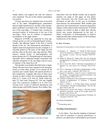
 RAPK is a rare skin disorder with pigmented spots, mainly on hands and feet, starting in youth.
August 2024 in “International Journal of Women’s Dermatology” Alopecia is common in severe cases of autosomal recessive congenital ichthyosis.
 4 citations
,
July 2020 in “Biochemical and Biophysical Research Communications”
4 citations
,
July 2020 in “Biochemical and Biophysical Research Communications” A protein called ectodysplasin-A2 increases a hair growth inhibitor in balding cells, which could be a target for hair loss treatment.
 9 citations
,
May 2016 in “Veterinary dermatology”
9 citations
,
May 2016 in “Veterinary dermatology” Long-term oral and topical treatments improved skin condition in a goldendoodle with a genetic disorder.
 May 2017 in “bioRxiv (Cold Spring Harbor Laboratory)”
 The peach gene pCTG134 helps control the interaction between auxin and ethylene hormones during fruit ripening.
 September 2016 in “Journal of Dermatological Science”
 The protein aPKCλ is crucial for keeping hair follicle stem cells inactive and for hair growth and regeneration.
1 citations
,
May 2024 in “Communications Biology” Dab2 protein is crucial for hair follicle stem cell renewal and preventing early aging.
 12 citations
,
August 2011 in “Asian-Australasian Journal of Animal Sciences”
12 citations
,
August 2011 in “Asian-Australasian Journal of Animal Sciences” KAP8.1 gene variations affect cashmere weight in Inner Mongolian goats.
October 2025 in “OPAL (Open@LaTrobe) (La Trobe University)” Early genetic testing and zinc therapy are crucial for managing acrodermatitis enteropathica effectively.
10 citations
,
July 2001 in “PubMed” A new type of pachyonychia congenita may exist, caused by a different keratin mutation.
 1 citations
,
June 2018 in “International Journal of Dermatology”
1 citations
,
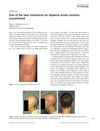
June 2018 in “International Journal of Dermatology” DNCB is highly effective for treating alopecia areata with minimal long-term side effects.
February 2025 in “JDDG Journal der Deutschen Dermatologischen Gesellschaft” Deucravacitinib helped a man regrow hair and improve psoriasis.
4 citations
,
November 2020 in “Acta Dermato Venereologica” Tofacitinib effectively improved severe skin symptoms in a patient with Hypohidrotic Ectodermal Dysplasia.
 6 citations
,
November 2019 in “The application of clinical genetics”
6 citations
,
November 2019 in “The application of clinical genetics” The study found that a specific genetic variation in the TNFα gene is significantly linked to Alopecia Areata in the Jordanian Arab population.
 October 2023 in “Journal of the Endocrine Society”
 A woman's cyclic Cushing syndrome was caused by a tumor in her adrenal gland that produced ACTH.
February 2025 in “Archives of Dermatological Research” Fibrosing alopecia can be diagnosed without typical signs of lichen planopilaris.