Search
for
Sort by
Research
300-330 / 1000+ resultsresearch Studying Cytotoxic T-lymphocyte- Associated Antigen-4 (CTLA-4) gene Polymorphism in a Sample of Iraqi Women with Polycystic Ovarian Syndrome
The CTLA-4 gene polymorphism does not affect polycystic ovarian syndrome.
research Synthesis, Anticancer and Molecular Docking Studies of 2-(4-chlorophenyl)-5-aryl-1,3,4-Oxadiazole Analogues
The compound 4c showed strong potential as an anticancer agent.

research Alopecia in adolescents-A survey
The document's conclusion cannot be provided because the document is not accessible or understandable.

research ANNURCA APPLE EXTRACT - A BREAKTHROUGH IN ALOPECIA PHYTOTHERAPY: A LITERATURE REVIEW
Annurca apple extract may help with hair growth and prevent hair loss.

research AP-2α/AP-2β transcription factors are key regulators of epidermal homeostasis
AP-2α and AP-2β are crucial for healthy skin and hair.
research Highlights
Acne is not a key diagnostic feature for PCOS, postadolescent men with acne may have insulin resistance, melanoma patients often have few moles, tumor size in CSCC indicates higher risk of serious outcomes, and hidradenitis suppurativa is linked to higher risk of heart problems and death.
research USO DE FIOS DE POLIDIOXANONA (PDO) NO TRATAMENTO DA ALOPECIA
PDO threads are effective and safe for treating alopecia, but more research is needed.

research Human Derived Immortalized Dermal Papilla Cells With a Constant Expression of Testosterone Receptor
Researchers created immortal human skin cells with constant testosterone receptor activity to study hair loss and test treatments.

research Bioinformatics analysis of genes associated with the patchy-type alopecia areata: CD2 may be a new therapeutic target
CD2 might be a new treatment target for patchy alopecia areata.
research Acne-Associated Syndromes
research Acne, Hirsutism, and Alopecia in Adolescent Girls: Clinical Expressions of Androgen Excess
research Acne Vulgaris with Polycystic Ovarian Syndrome: A Case Report
Acne and PCOS are linked due to hormonal imbalances and metabolic issues.
research Acne induced by 'Sus' and 'Deca'
Using anabolic steroids 'Sus' and 'Deca' for bodybuilding caused severe acne in a man.
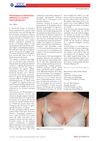
research Heterozygous 21‐hydroxylasedeficiency as a cause of hyperandrogenism
A woman's hyperandrogenism was caused by a genetic mutation leading to non-classic adrenogenital syndrome.
![Synthesis, Biological Evaluation, and Molecular Docking of 4-Amino-2H-benzo[h]chromen-2-one Analogs Containing the Piperazine Moiety](/images/assets/2ecf4eed-7dbe-4f1a-83db-739625546cdd/small/31808.jpg)
research Synthesis, biological evaluation and molecular docking of 4-Amino-2H-benzo[h]chromen-2-one (ABO) analogs containing the piperazine moiety
Analog 23 is a promising compound for prostate cancer treatment.
research Atrichia with Papular Lesions: Dermoscopy to the Rescue
Dermoscopy is useful for diagnosing Atrichia with Papular Lesions in children without needing a biopsy.
research Beyond Ovarian Morphology: What the Renaming of Polycystic Ovary Syndrome (PCOS) Means for Dermatology
research Porokeratotic adnexal ostial nevus: a paradigm of cutaneous mosaicism
PAON shows skin patterns due to genetic mosaicism.
research Androgen Receptor Actions Modify Skin Structure and Chemical Carcinogen-induced Skin Cancer Susceptibility in Mice
Androgen receptor inactivation delays skin cancer onset and reduces incidence in mice, with gender differences in susceptibility.
research Promotion effect of acankoreoside J, a lupane-triterpene in Acanthopanax koreanum, on hair growth
Acankoreoside J from Acanthopanax koreanum may help promote hair growth.
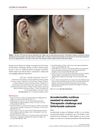
research Acrodermatitis continua resistant to etanercept: Therapeutic challenge and Unfortunate outcome
A man with Acrodermatitis continua did not get better with etanercept treatment, and his condition worsened, suggesting treatment effectiveness may vary by genetics and race.
research 260 Anti-OX40 monoclonal antibody IMG-007 exhibited clinical activity of hair regrowth, suppressed scalp inflammatory biomarkers in patients with severe alopecia areata in a Ph1b/2a study
IMG-007 helps regrow hair and reduce scalp inflammation in severe alopecia areata.
research Efficacy of Fire Needle Therapy Combined with Doxycycline Hydrochloride in the Management of Moderate-to-Severe Acne Vulgaris: A Randomized Controlled Trial
Combining fire needle therapy with doxycycline improves severe acne more than doxycycline alone.
research Synthesis, Biological Evaluation and Molecular Docking of Avicequinone C Analogues as Potential Steroid 5α-Reductase Inhibitors
Certain compounds, especially those with a propionic substituent, could potentially be new treatments for hair loss and similar disorders.
research Low-Dose Dimethyl Sulfoxide (DMSO) Suppresses Androgen Receptor (AR) and Its Splice Variant AR-V7 in Castration-Resistant Prostate Cancer (CRPC) Cells
Low-dose DMSO may help treat castration-resistant prostate cancer by reducing key cancer cell receptors.

research Polycystic ovary syndrome and acne.
Women with PCOS often have acne because of high androgen levels, and the article reviewed how to treat this type of acne.
research Contact Dermatitis Caused by a Grass, Axonopus compressus in a Healthy Adult Male Practising Open Defaecation
Avoiding exposure to certain grasses can prevent skin allergies, highlighting the importance of proper sanitation.
research Atrichia with papular lesions in a Taiwanese patient without hairless (HR) gene mutation
A Taiwanese patient had hair loss and skin bumps without the usual gene mutation, suggesting other genetic factors might be involved.
research The acyl-CoA binding protein is required for normal epidermal barrier function in mice
ACBP is crucial for healthy skin in mice.