4 citations
,
April 1955 in “Archives of Dermatology” Hydrocortisone ointment effectively improved eyebrow skin and hair in a 10-year-old.
13 citations
,
September 1997 in “Archives of Dermatology” The boy likely has a fungal infection causing hair loss.
8 citations
,
January 2011 in “International journal of trichology” Accurate diagnosis of APL is crucial to avoid unnecessary treatments.
 4 citations
,
January 2025 in “Clinical Cosmetic and Investigational Dermatology”
4 citations
,
January 2025 in “Clinical Cosmetic and Investigational Dermatology” Papular acantholytic dyskeratosis of the vulva is a rare, benign skin condition that can be managed conservatively.
 November 2022 in “Journal of The Pakistan Dental Association”
 Oral ulcers are common in SLE patients and often link to other symptoms.
 July 2018 in “Nasza Dermatologia Online”
 Frontal fibrosing alopecia and ulerythema ophryogenes may be related and can evolve from one to the other.
 39 citations
,
October 2014 in “Schweizerische medizinische Wochenschrift”
39 citations
,
October 2014 in “Schweizerische medizinische Wochenschrift” Cyclophosphamide has serious side effects, but long-term follow-up can help manage risks.
 22 citations
,
November 2014 in “Psychiatric Clinics of North America”
22 citations
,
November 2014 in “Psychiatric Clinics of North America” Stress can worsen skin conditions and affect mental health, so doctors should include stress management in skin treatment.
 16 citations
,
July 2013 in “Human & Experimental Toxicology”
16 citations
,
July 2013 in “Human & Experimental Toxicology” Almost half of the dermatology patients in Eastern Turkey use alternative medicine, which can be risky and delay proper treatment.
 11 citations
,
March 2019 in “Journal of The American Academy of Dermatology”
11 citations
,
March 2019 in “Journal of The American Academy of Dermatology” Some men taking finasteride for hair loss may experience sexual problems like erectile dysfunction and decreased sex drive, which can persist even after stopping the medication.
 7 citations
,
July 2020 in “Dermatologic Therapy”
7 citations
,
July 2020 in “Dermatologic Therapy” During the COVID-19 pandemic in Turkey, the most common skin problem for both kids and adults was acne.
 4 citations
,
March 2020 in “Turkish Journal of Medical Sciences”
4 citations
,
March 2020 in “Turkish Journal of Medical Sciences” There may be a link between Helicobacter pylori infection and the skin condition pityriasis versicolor.
 3 citations
,
November 2022 in “Frontiers in oncology”
3 citations
,
November 2022 in “Frontiers in oncology” Low zinc levels may be linked to the return of gynecologic cancers.
 2 citations
,
June 2011 in “Journal of clinical and experimental investigations”
2 citations
,
June 2011 in “Journal of clinical and experimental investigations” Oral zinc sulphate is an effective and safe treatment for thallium poisoning, especially for skin and hair symptoms.
 January 2025 in “The Atlantic Journal of Medical Science and Research”
 Many dermatology patients experience anxiety and depression, especially those with acne or psoriasis.
 November 2024 in “Global Journal of Human-Social Science”
 Most people with metabolic syndrome in Brazil have skin issues, especially if they are morbidly obese.
 July 2024 in “Egyptian Journal of Medical Human Genetics”
 These gene variations are not linked to alopecia areata in Egyptians.
 January 2024 in “Pediatria Polska”
 Long-COVID symptoms in children after MIS-C are similar across different COVID-19 variants, with older age being a key factor.
 November 2022 in “Gene Cell and Tissue”
 Zinc deficiency might affect vitamin B12 levels.
 January 2021 in “Erciyes medical journal”
 The COVID-19 pandemic changed the types of skin conditions seen at a clinic, with fewer patients and varying numbers of specific conditions.
 November 2018 in “The European research journal”
 RDW can be a useful marker for inflammation in alopecia areata patients.
 January 2016 in “Journal of the turkish academy of dermatology”
 Acne was the most common skin problem in kids, with other conditions like warts and eczema also frequent, varying by age and gender.
 January 2016 in “Kafkas Journal of Medical Sciences”
 Turkish pregnant women commonly experienced skin issues like itching and acne, and doctors mainly used topical treatments due to safety concerns during pregnancy.
 June 2011 in “Journal of clinical and experimental investigations”
 Oral zinc sulphate is an effective and safe treatment for thallium poisoning.
 May 2010 in “Dermatologic Clinics”
 The document concludes that new treatments for skin conditions are complex but effective, including spironolactone for female hair loss and propranolol for infantile hemangiomas.
 13 citations
,
September 2022 in “Materials & design”
13 citations
,
September 2022 in “Materials & design” The new patch for treating mouth sores releases medicine slowly, sticks well, and helps healing without the side effects of current creams.
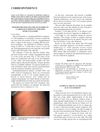 12 citations
,
January 2005 in “Pediatric Dermatology”
12 citations
,
January 2005 in “Pediatric Dermatology” Fox Fordyce disease might be more common in prepubertal girls than thought and can be managed with treatment.
 April 2019 in “Journal of Investigative Dermatology”
 Many patients with autoimmune blistering skin disorders change their diets, avoiding foods like alcohol, citrus, and spices, and some find vegetables and dairy helpful.
 17 citations
,
October 2016 in “Artificial Cells Nanomedicine and Biotechnology”
17 citations
,
October 2016 in “Artificial Cells Nanomedicine and Biotechnology” Using tiny fat particles to deliver arginine to hair follicles could be a new way to treat hair loss.
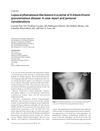 12 citations
,
March 2004 in “International Journal of Dermatology”
12 citations
,
March 2004 in “International Journal of Dermatology” Woman's hair loss diagnosis changed from CTE to AA; multiple biopsies important for accurate diagnosis.