 August 2024 in “OSMANGAZİ JOURNAL OF MEDICINE”
 The visfatin GT genotype may increase the risk of Alopecia Areata.
 11 citations
,
March 2014 in “Journal of The European Academy of Dermatology and Venereology”
11 citations
,
March 2014 in “Journal of The European Academy of Dermatology and Venereology” Hair loss gene linked to prostate issues.
December 2025 in “Frontiers in Nutrition” The albumin change rate helps predict treatment success in AIDS-related non-Hodgkin lymphoma.
 January 2017 in “IMC Journal of Medical Science”
 A rare endocrine disorder, APS 1, was diagnosed in a 26-year-old man in Bangladesh.
20 citations
,
January 2002 in “Laboratory Animals” Mutations in the hairless gene cause hair loss and skin cysts in rhesus macaques.
 February 2026 in “Dove Medical Press (Taylor and Francis Group)”
 Upadacitinib can effectively regrow hair in alopecia areata patients without worsening sarcoidosis.
6 citations
,
December 2022 in “Journal of Infection” The ACE1 gene variant doesn't affect long-COVID symptoms.
 November 2025 in “Molecular and Cellular Biomedical Sciences”
 There is no significant link between the MMP-1 rs1799750 polymorphism and androgenetic alopecia in the Indonesian population.
September 2025 in “OPAL (Open@LaTrobe) (La Trobe University)” Angiopoietin-1 helps hair follicle cells survive and grow, potentially treating hair loss.
 12 citations
,
June 2019 in “Psychoneuroendocrinology”
12 citations
,
June 2019 in “Psychoneuroendocrinology” Allopregnanolone is needed for certain brain processing issues caused by D1 dopamine receptor activation.
 October 2023 in “Benha Journal of Applied Sciences”
 Men with male pattern baldness have lower levels of the antioxidant PON1.
3 citations
,
October 2024 in “Experimental Dermatology” Higher CRHR1 levels in AA patients lead to increased inflammation.
 24 citations
,
January 2012 in “Journal of Cellular Biochemistry”
24 citations
,
January 2012 in “Journal of Cellular Biochemistry” C-reactive protein helps monocytes stick to blood vessel cells by causing oxidative stress.
 January 2023 in “Annals of Dermatology”
 Patients with a specific genetic variant have more severe alopecia areata and higher recurrence rates.
 3 citations
,
March 2012 in “Actas Dermo-Sifiliográficas”
3 citations
,
March 2012 in “Actas Dermo-Sifiliográficas” An elderly man with skin amyloidosis and abnormal blood proteins was monitored without finding widespread disease after 18 months.

A new AIRE gene mutation causes rare autoimmune symptoms in a Lebanese boy.
January 2026 in “Clinical and Experimental Dermatology” Ruxolitinib helped a patient with alopecia areata regrow hair.
 6 citations
,
January 2011 in “Journal of pediatric endocrinology & metabolism/Journal of pediatric endocrinology and metabolism”
6 citations
,
January 2011 in “Journal of pediatric endocrinology & metabolism/Journal of pediatric endocrinology and metabolism” An 11-year-old Greek girl was diagnosed with a rare genetic disorder, highlighting the importance of genetic testing and family history.
 July 2022 in “Media Dermato Venereologica Indonesiana”
 The combination of PRP and triamcinolone injections improved hair growth in a man with alopecia areata.
70 citations
,
August 2006 in “Cancer Research” AP-1 controls tumor cell type by affecting key signaling pathways.
 April 2017 in “Journal of Investigative Dermatology”
 The PON1 192R gene variant is linked to a higher risk of psoriasis and heart disease in Western Mexico.
 1 citations
,
September 2023 in “Clinical, cosmetic and investigational dermatology”
1 citations
,
September 2023 in “Clinical, cosmetic and investigational dermatology” Certain genetic variants linked to immune response increase the risk of alopecia areata in Taiwanese people.
12 citations
,
January 2018 in “Journal of Clinical Laboratory Analysis” Certain IL-18 gene variations may increase the risk of alopecia areata.
10 citations
,
November 2021 in “PLoS ONE” The T allele of the PTPN22 gene may increase the risk of alopecia areata.
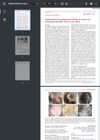 April 2024 in “JEADV clinical practice”
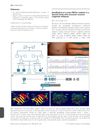
 Upadacitinib significantly improved both rheumatoid arthritis and alopecia areata in a patient.
 23 citations
,
December 2013 in “British Journal of Dermatology”
23 citations
,
December 2013 in “British Journal of Dermatology” A new gene mutation linked to a skin condition was found in a Spanish family.
1 citations
,
January 2025 in “Archives of Dermatological Research” Higher levels of IL-1R1 and hsa-miR-19b-3p may help diagnose and predict alopecia areata severity.
26 citations
,
May 2020 in “JCI Insight” Alopecia areata involves specific immune cells, offering potential treatment targets.
 September 2024 in “Journal of the American Academy of Dermatology”
 AH-001 could be a safer and more effective treatment for hair loss.
A new method allows for controlled, long-lasting delivery of retinoic acid through the skin with less inflammation.