 1 citations
,
October 2018 in “Infectious diseases in clinical practice”
1 citations
,
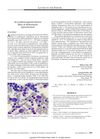
October 2018 in “Infectious diseases in clinical practice” Azithromycin can rarely cause a severe drop in white blood cells.
 March 2026 in “Folia Histochemica et Cytobiologica”
 LTBP1 is a key regulator in diseases and a potential target for new treatments.
 March 2025 in “Medical & Clinical Research”
 Stem cell therapy can help regrow hair and increase hair density.
 June 2024 in “British Journal of Dermatology”
 Permanent hair loss from chemotherapy significantly impacts patients' mental health and social life, highlighting the need for better patient education and support.
 May 2022 in “International Journal of Clinical Trials”
 PRF may offer better healing and recovery than PRP for immediate implants.

The document is a detailed guide on skin conditions and treatments for dermatologists.
 August 2014 in “Plastic Surgery”
 Dr. WP Unger suggested that traditional strip harvesting might be better for hair transplants than Follicular Unit Extraction due to higher hair survival rates and less risk of a patchy look at the donor site.
 July 2014 in “Facial Plastic Surgery Clinics of North America”
 Cosmetic surgery should be personalized for different ethnic groups to ensure the best results and patient satisfaction.
 February 2010 in “Facial Plastic Surgery Clinics of North America”
 Tailoring facial plastic surgery to different ethnic groups ensures natural and satisfactory results.

Moisture makes hair flexible for reshaping during blowouts.
 April 2016 in “Journal of Investigative Dermatology”
 Autophagy, a cell recycling process, is crucial for prolonged hair growth and could be a potential target for treating hair growth disorders.
37 citations
,
June 1996 in “Journal of cellular physiology” Retinoic acid, glucocorticoids, and IGF1 increase IGFBP-3 production in human dermal papilla cells, affecting hair growth.
 April 2024 in “Cell death and differentiation”
 Cell death shapes skin stem cell environments, affecting inflammation, repair, and cancer.
August 2021 in “The Journal of Physiology” NKCC1 transporters help control neuron excitability and inhibition.
8 citations
,
January 2018 in “Journal of Analytical Methods in Chemistry” A new method accurately measures a drug in skin for cancer therapy research.
32 citations
,
April 2020 in “PLoS Biology” Rab5c is crucial for blood stem cell development by regulating Notch and AKT signals.
90 citations
,
May 2018 in “Molecular Cell” Caspase-3 helps control cell growth and organ size by activating YAP.
 April 2021 in “Journal of Investigative Dermatology”
 People with atopic dermatitis have more CD4+ T cells that respond to a certain bacterial lipid, which may play a role in the skin condition's inflammation.
 52 citations
,
April 2013 in “Developmental Cell”
52 citations
,
April 2013 in “Developmental Cell” Brg1 is crucial for hair growth and skin repair by maintaining stem cells and promoting regeneration.
August 2025 in “Applied Sciences” Peroxide-rich plasma-activated water is gentler on hair than nitrate-rich formulations.
 October 2005 in “Nature reviews. Molecular cell biology (Print)”
 Hairless protein is key for hair growth, cell differences cause gene expression variation, and the N-end rule pathway senses nitric oxide for protein breakdown.
 286 citations
,
April 2009 in “The journal of neuroscience/The Journal of neuroscience”
286 citations
,
April 2009 in “The journal of neuroscience/The Journal of neuroscience” TRPA1 is crucial for mechanical sensitivity in skin sensory neurons.
7 citations
,
December 2021 in “Archives of Dermatological Research” Adiponectin reduces hair pigmentation and affects hair growth signals.
22 citations
,
April 2023 in “The Journal of Cell Biology” Calcium signaling in skin cells is crucial for communication and regeneration.
 3 citations
,
August 1980 in “Acs Symposium Series”
3 citations
,
August 1980 in “Acs Symposium Series” Hair increases in size when it absorbs water, and treatments like bleaching affect how much water it can take in.
 February 2025 in “bioRxiv (Cold Spring Harbor Laboratory)”
 Keratin 15 helps keep skin cells in a young, undifferentiated state.
 5 citations
,
October 2013 in “Experimental Dermatology”
5 citations
,
October 2013 in “Experimental Dermatology” The commentary explains that a balance of HR protein and putrescine is important for normal hair growth.
20 citations
,
January 2002 in “Laboratory Animals” Mutations in the hairless gene cause hair loss and skin cysts in rhesus macaques.
62 citations
,
June 1993 in “Archives of Dermatological Research”  138 citations
,
November 2015 in “Journal of Pharmacology and Experimental Therapeutics”
138 citations
,
November 2015 in “Journal of Pharmacology and Experimental Therapeutics” Protoporphyrin IX is useful in cancer treatment but can cause health problems if not properly regulated.