 November 2023 in “Klìtinna ta organna transplantologìâ”
 MSC-derived exosomes can help treat COVID-19, hair loss, skin aging, and arthritis.
November 2023 in “Journal of Investigative Dermatology” JAK inhibitors are effective and generally safe for treating alopecia areata, but monitoring for side effects is important.
 October 2023 in “Paediatrics & child health”
 The document advises health care providers on how to support transgender and gender-diverse youth with appropriate care and referrals.
 October 2023 in “Spectrochimica acta. Part A, Molecular and biomolecular spectroscopy”
 New, eco-friendly methods accurately measure TDF and FNS in a new urologic medication.
September 2023 in “Membranes” 3D-printed membranes with smart sensors can greatly improve tissue healing and have many medical applications.
 September 2023 in “JP Journal of Biostatistics”
 The random forest model effectively helps diagnose COVID-19 using key factors like age and symptoms.
 September 2023 in “Frontiers in bioengineering and biotechnology”
 JAGGED1 could help regenerate tissues for bone loss and heart damage if delivered correctly.
 September 2023 in “Clinical, cosmetic and investigational dermatology”
 A new surgical method using special sutures significantly reduced wound size and prevented disease return in patients with a scarring scalp condition.
 August 2023 in “Journal of Cosmetic Dermatology”
 QR678 Neo® improved seborrheic dermatitis symptoms in a small group of patients.
 August 2023 in “Journal of Education Health and Sport”
 Botulinum toxin is used in many medical fields beyond cosmetic purposes.
 August 2023 in “Drug Delivery and Translational Research”
 Human hair keratin was used to create a scaffold that could help with skin repair.
 July 2023 in “Dermatology practical & conceptual”
 The machine learning model effectively assesses the severity of hair loss and could help dermatologists with treatment decisions.
 July 2023 in “GLOBAL JOURNAL FOR RESEARCH ANALYSIS”
 The new treatment showed promise in managing eyebrow hair loss.
 July 2023 in “International Journal of Cosmetic Science”
 Biopolymers are increasingly used in cosmetics for their non-toxicity and skin benefits, with future biotech advancements likely to expand their applications.
June 2023 in “Journal of Face Aesthetics” PRF is promising for dental and aesthetic uses but needs more research.
 June 2023 in “Frontiers in Cardiovascular Medicine”
 Using existing drugs for new purposes could be a cost-effective way to treat chest pain and non-clogged heart arteries, with some drugs for lung blood pressure showing promise but needing more testing.
Tiny particles called extracellular vesicles show potential for improving skin health in cosmetics, but more research is needed to confirm their safety and effectiveness.
 April 2023 in “Journal of Investigative Dermatology”
 The research found that certain factors in hair follicle cells control hair growth and development, and these could be used to create new treatments for hair loss.
IVL-DrugFluidic® can mass-produce high-quality, long-acting injectable drug microspheres, improving patient compliance and reducing side effects.
 February 2023 in “World journal of plastic surgery”
 Platelet-rich plasma is now used in plastic surgery.
 January 2023 in “Archives of Disease in Childhood Education & Practice”
 Hirsutism in teens is often due to polycystic ovarian syndrome and needs careful assessment and support.
 January 2023 in “Bio web of conferences/BIO web of conferences”
 The document concludes that specific dermoscopic features can help diagnose different facial red skin conditions.
 January 2023 in “International Journal of Homoeopathic Sciences”
 Homoeopathic treatment may help restore hair in Alopecia Areata by balancing the immune system.
 January 2023 in “International Journal of Indian Medicine”
 Ayurveda offers holistic treatments for hair fall, including therapies and lifestyle changes.
 December 2022 in “OBG Management”
 The conclusion is to diagnose PCOS with just hyperandrogenism and irregular periods, and treat with lifestyle changes and basic medications.
 October 2022 in “Journal of experimental and clinical medicine”
 Repurposing existing drugs for COVID-19 shows promise but requires more research to confirm effectiveness.
 September 2022 in “Open Access Macedonian Journal of Medical Sciences”
 Platelet-rich plasma helps in skin healing, scar repair, and may boost hair growth in alopecia.
August 2022 in “Regenerative Medicine” Adipose-derived stem cells show promise for cosmetic treatments but need more research.
 July 2022 in “The journal of investigative dermatology/Journal of investigative dermatology”
 Early diagnosis and treatment of hair loss in hijab-wearing women are crucial to prevent permanent damage and improve quality of life.
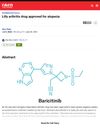 June 2022 in “C&EN global enterprise”
 The drug Olumiant is now approved to treat severe hair loss from alopecia and can also be used for some hospitalized COVID-19 patients.