September 2018 in “Digital Access to Scholarship at Harvard (DASH) (Harvard University)” FN nanofiber dressings improve wound healing and restore natural skin structure.
September 2018 in “PubMed” New strategies like vitamin A and dextromethorphan can help reduce methotrexate side effects and improve patient adherence.

New treatments for hair loss show promise, including plasma, stem cells, and hair-stimulating complexes, but more research is needed to fully understand them.
 July 2018 in “International journal of research - granthaalayah”
 Croton tiglium application significantly improved hair regrowth in alopecia areata patients.
June 2018 in “SPIRE - Sciences Po Institutional REpository” Biomedical innovations could extend human lifespan, but may impact pension systems.
Microneedle technology is effective for skin rejuvenation and enhancing cosmeceutical delivery, with ongoing innovation and increasing commercialization.
May 2018 in “Dermatologic Surgery” March 2018 in “Chin J Reprod Contracep” Chlormadinone acetate is useful for birth control and treating various hormonal issues.
 January 2018 in “Communications in computer and information science”
 Researchers developed a computer system to automatically diagnose hair loss by analyzing scalp images.
Griseofulvin is still the best treatment for tinea capitis.
November 2017 in “The Philippine journal of veterinary medicine/Philippine Journal of Veterinary Medicine” Aquapuncture may improve wound healing and hair growth in goats compared to nerve block.
January 2017 in “Padua@research (University of Padova)” Adult mesenchymal stem cells show promise in improving tendon, muscle, and skin healing.
The document recommends a multidisciplinary approach and experience sharing to advance facial feminization surgery as a medical field.
 December 2016 in “John Wiley & Sons, Ltd eBooks”
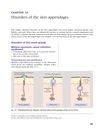
 The document concludes that proper recognition and treatment of skin appendage disorders are important for management.
January 2016 in “Georg Thieme Verlag eBooks” Understanding and careful application of dermabrasion and microdermabrasion can minimize risks and improve patient outcomes.
PRP injections effectively improve hair growth in androgenic alopecia.

Observing someone's physical appearance can give hints about their health, hygiene, and potential medical conditions.
April 2014 in “The FASEB journal” The extract helps prevent hair loss and promotes hair growth in stressed mice.
Current microbial test methods for hair cosmetics need revision due to strong bacteriostasis.
July 2013 in “University of Southern California Digital Library” New stem cells in nails and sweat glands can regenerate skin and hair.
April 2013 in “The FASEB journal” Platycarya strobilacea extract significantly improves hair growth and follicle health.
The FDA did not approve a testosterone drug because of safety concerns.
 January 2012 in “Yearbook of Dermatology and Dermatologic Surgery”
 Electric current quickly reduces hand sweating but the effect doesn't last long.
November 2010 in “Faculty Opinions – Post-Publication Peer Review of the Biomedical Literature” Mesenchymal stem cells from bone marrow and umbilical cord can help regenerate hair follicles.
 October 2010 in “Reproductive Biomedicine Online”
 A new method can almost perfectly distinguish adenomyosis from similar conditions using blood tests.
 September 2010 in “Companion Animal”
 The guide explains how to diagnose and treat hair loss in dogs, covering causes and treatments, with some conditions lacking treatment options.
January 2009 in “Adelaide Research & Scholarship (AR&S) (University of Adelaide)” Identifying and manipulating key genes can improve wool quality and productivity in sheep.
 July 2008 in “Journal of Intellectual Property Law & Practice”
 The UK Court of Appeal ruled that new dosing regimens for drugs can be patented, aligning with the European Patent Office's approach.
June 2007 in “Annales de Dermatologie et de Vénéréologie” May 2007 in “Inpharma Weekly”