November 2022 in “Indian Journal of Dermatology” Azole antifungals can cause skin reactions like EAC, requiring careful management.
 1 citations
,
March 2021 in “Dermatological reviews”
1 citations
,
March 2021 in “Dermatological reviews” AGA, a common hair loss, is caused by genetics, hormones, age, and environmental factors.
 40 citations
,
May 1999 in “Journal of The European Academy of Dermatology and Venereology”
40 citations
,
May 1999 in “Journal of The European Academy of Dermatology and Venereology” Treat hair loss with finasteride, minoxidil, or surgery; consider side effects and severity.
1 citations
,
July 2025 in “Frontiers in Genetics” FilaggrinHigh melanomas have active FGFR signaling and weak GNA14 and Th1 signatures.
August 2024 in “International Journal of Women’s Dermatology” Alopecia is common in severe cases of autosomal recessive congenital ichthyosis.
 5 citations
,
November 2018 in “Skin appendage disorders”
5 citations
,
November 2018 in “Skin appendage disorders” More kenogen hairs cause hair thinning in androgenetic alopecia, not hair miniaturization.
17 citations
,
September 2000 in “Journal of dermatology” A baby with a rare metabolic disorder developed a rash not cured by zinc alone, likely due to both zinc and amino acid deficiencies.

Minoxidil and finasteride are the only FDA-approved treatments for hair loss caused by genetic and hormonal factors, but their effectiveness is often doubted, indicating a need for new treatments.
 6 citations
,
July 2011 in “British Journal of Dermatology”
6 citations
,
July 2011 in “British Journal of Dermatology” A man with KID syndrome developed a rare cancer in a long-term skin infection.
 January 2026 in “Cosmetics”
 New regenerative treatments show promise in improving hair growth for androgenetic alopecia.
 April 2026 in “Brazilian Journal of Hair Health”
 Perifollicular fibrosis hinders hair regrowth in androgenetic alopecia, and new treatments targeting fibrosis are needed.
34 citations
,
September 2010 in “Clinical and Experimental Dermatology” A new gene mutation linked to KID syndrome was found, expanding genetic knowledge.
 1 citations
,
February 2013 in “Clinical pediatrics”
1 citations
,
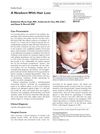
February 2013 in “Clinical pediatrics” The baby’s hair loss was due to a rare genetic condition, not treatable by usual methods.
 45 citations
,
August 2019 in “Dermatologic Therapy”
45 citations
,
August 2019 in “Dermatologic Therapy” Hair loss treatments work better with lifestyle changes.
106 citations
,
December 2015 in “Biomacromolecules” Keratin hydrogels can be customized for better tissue healing.
October 1991 in “Archives of Dermatology” The woman has a skin condition involving nodules, scars, and hair loss.
 37 citations
,
May 1999 in “Australasian Journal of Dermatology”
37 citations
,
May 1999 in “Australasian Journal of Dermatology” Early diagnosis and treatment are crucial for preventing permanent hair loss in various scalp conditions, and while new treatments are promising, more research is needed to evaluate their effectiveness.
 December 2025 in “International Journal of Research in Dermatology”
 Keratosis pilaris is common in young females, and dermoscopy helps diagnose it accurately.
 December 2024 in “Indian Journal of Dermatology Venereology and Leprology”
 Atypical male hair loss may not respond to usual treatments.
 1 citations
,
March 2023 in “Tidsskrift for Den norske lægeforening”
1 citations
,
March 2023 in “Tidsskrift for Den norske lægeforening” Keratosis pilaris is a common skin condition causing a bumpy texture, sometimes linked to other diseases, with various treatments available.
1 citations
,
May 2024 in “Dermatology Online Journal” Scalp pemphigus vulgaris can be effectively treated with low-dose prednisone and triamcinolone.
20 citations
,
October 2013 in “Dermatologic Surgery” July 2025 in “Journal of Investigative Dermatology” Reducing PEDF may help treat hair loss.
September 2024 in “Journal of the American Academy of Dermatology” Most U.S. keratinocyte carcinoma patients are older white males living in urban areas.
 1 citations
,
May 2017 in “InTech eBooks”
1 citations
,
May 2017 in “InTech eBooks” Hair loss in Androgenetic alopecia (AGA) is due to altered cell sensitivity to hormones, not increased hormone levels. Hair growth periods shorten over time, causing hair to become thinner and shorter. This is linked to miscommunication between cell pathways in hair follicles. There's also a change in gene expression related to blood vessels and cell growth in balding hair follicles. The exact molecular causes of AGA are still unclear.
 January 2025 in “Journal of Contemporary Medical Practice”
 Nano-cerium oxide may help treat hair loss by improving hair growth and reducing certain skin proteins.
28 citations
,
February 2014 in “Journal of Cutaneous Pathology” Keratoacanthoma changes as it grows, showing different hair follicle characteristics at each stage.
 27 citations
,
December 2014 in “Current problems in dermatology”
27 citations
,
December 2014 in “Current problems in dermatology” Photodynamic therapy is the preferred treatment for skin precancer due to its effectiveness and safety.
 February 2026 in “Nature Communications”
 Inhibiting connective tissue sheath contraction may improve hair growth in male pattern baldness.
36 citations
,
January 2012 in “Dermatology” Stopping gefitinib improved scalp condition in a woman with lung cancer.