 September 2025 in “Journal of Medicinal Chemistry”
 AR-27 E-Chol siRNA can effectively regrow hair by reducing androgen receptor gene activity.
April 2016 in “The journal of investigative dermatology/Journal of investigative dermatology” The ALADIN score can predict how well patients with alopecia areata will respond to JAK inhibitor treatments.
October 2025 in “Editora Pasteur eBooks” November 2025 in “SKIN The Journal of Cutaneous Medicine” Ritlecitinib is generally safe for adolescents with alopecia areata over 5 years.
April 2023 in “Journal of Investigative Dermatology” cp-asiAR may effectively treat hair loss by targeting androgen receptors.
March 2023 in “Reactions Weekly” April 2023 in “Journal of Investigative Dermatology” A new treatment for hair loss shows promise with fewer side effects.
2 citations
,
March 2025 in “Journal of Translational Autoimmunity” Targeting the AhR pathway may help treat alopecia areata.
 1 citations
,
February 2022 in “bioRxiv (Cold Spring Harbor Laboratory)”
1 citations
,
February 2022 in “bioRxiv (Cold Spring Harbor Laboratory)” Certain interactions help prepare the androgen receptor for pairing and activation, which is important for its role in development and disease.
March 2024 in “INDIAN JOURNAL OF APPLIED RESEARCH” Polarity Analysis with Calcarea Carbonica may effectively treat alopecia areata with fewer side effects.
8 citations
,
June 2023 in “European Journal of Endocrinology” The inhibitor affects androgen metabolism but not ovarian function.
May 2003 in “Journal of clinical oncology” 
Kalya Research is an AI tool that effectively finds and analyzes alternative medicine literature, saving researchers time.
 April 2025 in “Pharmaceutics”
 Oil A formulation with Baricitinib shows promise for treating alopecia areata by promoting hair growth.
October 2023 in “Open Repository of the University of Porto (University of Porto)”  January 2022 in “Al-Azhar Medical Journal”
 Higher antigliadin antibody levels are linked to alopecia areata severity.
26 citations
,
September 2009 in “Clinical genetics” Arab APS1 patients have unique and recurrent AIRE gene mutations.
January 2026 in “Journal of Ethnopharmacology” Cedrol promotes hair growth better than baricitinib by regulating immune cells.
March 2015 in “DergiPark (Istanbul University)” PUVA treatment is effective and safe for alopecia areata.
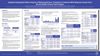 July 2025 in “SKIN The Journal of Cutaneous Medicine”
 Ritlecitinib is generally safe for alopecia areata patients over 72 months.
January 2026 in “Clinics and Practice” Baricitinib helps alopecia areata and may improve psoriasis, but its effect on psoriatic arthritis is unclear.
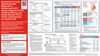 November 2025 in “SKIN The Journal of Cutaneous Medicine”
 Baricitinib significantly regrows hair in teens with severe alopecia areata.
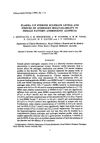 32 citations
,
January 1990 in “Clinical Endocrinology”
32 citations
,
January 1990 in “Clinical Endocrinology” Women with female pattern hair loss have higher levels of certain androgens, suggesting increased androgen exposure to hair follicles.
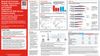 November 2025 in “SKIN The Journal of Cutaneous Medicine”
 Baricitinib helps regrow scalp, eyebrow, and eyelash hair in teens with severe alopecia areata.
January 2024 in “Acta dermato-venereologica”  January 2010 in “Yearbook of Endocrinology”
 Two new compounds can block androgen receptor activity in different ways and may lead to new treatments for androgen-related diseases.
9 citations
,
October 1947 in “The Lancet” 1 citations
,
November 1947 in “The Lancet”