 42 citations
,
November 2018 in “Archives of dermatological research”
42 citations
,
November 2018 in “Archives of dermatological research” Apremilast was not effective in treating moderate-to-severe alopecia areata.
 May 2023 in “International Journal of Medical Arts (Print)”
 Retrograde Alopecia is fairly common in men with severe hair loss and needs careful examination for treatment and safe hair transplantation.
January 2026 in “European Journal of Dermatology” Understanding alopecia is crucial to improving care and addressing hair loss concerns.
 June 2023 in “Dermatology and therapy”
 The Middle East and Africa need better data, treatment consensus, and support for Alopecia Areata.
 3 citations
,
February 2020 in “Dermatologic Therapy”
3 citations
,
February 2020 in “Dermatologic Therapy” Reducing micro-inflammation didn't change hair growth patterns in AGA.
 August 2020 in “International Journal of Clinical Practice”
 No link between hair loss and blood groups or Rhesus factor.
December 1977 in “Archives of Dermatology” Hair regrowth in alopecia areata is common, but recurrences happen frequently.
 May 2025 in “Journal of medical and dental science research.”
 i-PRF and A-PRF are promising treatments for hair regrowth in androgenetic alopecia.
 14 citations
,
July 2016 in “Anatomical Science International”
14 citations
,
July 2016 in “Anatomical Science International” The study suggests that the arrector pili muscle is important for hair health and its damage might contribute to hair loss.
January 2012 in “Chinese Journal of Aesthetic Medicine” Increased androgen receptor expression in certain hair follicle areas may cause male pattern baldness.
 8 citations
,
March 2021 in “Medicina-lithuania”
8 citations
,
March 2021 in “Medicina-lithuania” PRP treatment may promote hair growth and improve hair density in women with AGA, but more research is needed.
44 citations
,
October 2009 in “Journal of the American Academy of Dermatology” Topical bexarotene 1% gel might help regrow hair in alopecia areata and is generally safe.
September 2023 in “Journal of the American Academy of Dermatology”  January 2013 in “Anthropology”
 Untreated androgenetic alopecia leads to progressive hair loss in men.
 April 2024 in “European Journal of Dermatology”
 The 2940-nm Er: YAG fractional laser may help treat receding frontal hairlines in men with androgenetic alopecia.
 4 citations
,
March 2016 in “Dermatologic Surgery”
4 citations
,
March 2016 in “Dermatologic Surgery” PRP treatment increased hair density, especially in men and younger patients with AGA.
 February 2024 in “Archiv EuroMedica”
 Annurca apple extract may help with hair growth and prevent hair loss.
 9 citations
,
May 2019 in “Journal of dermatological treatment”
9 citations
,
May 2019 in “Journal of dermatological treatment” Apremilast helps regrow hair in hard-to-treat alopecia areata.
 February 2025 in “Journal of the American Academy of Dermatology”
 People with androgenetic alopecia may have a higher risk of peripheral venous disorders.
86 citations
,
January 2020 in “British Journal of Dermatology” The AA-IGA scale reliably measures treatment success in alopecia areata by considering both clinician and patient views.
 November 2025 in “SKIN The Journal of Cutaneous Medicine”
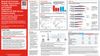
 Baricitinib helps regrow scalp, eyebrow, and eyelash hair in teens with severe alopecia areata.
PRP treatment mildly to moderately improves hair loss in most men with AGA.
 68 citations
,
April 2002 in “Journal of Alternative and Complementary Medicine”
68 citations
,
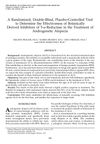
April 2002 in “Journal of Alternative and Complementary Medicine” Natural 5AR inhibitors effectively improve mild to moderate hair loss in men.
 December 2024 in “JEADV Clinical Practice”
 Androgenetic alopecia is linked to a higher risk of varicose veins, especially in men, but not to major vascular diseases.
 April 2024 in “The Journal of urology/The journal of urology”
 5-alpha-reductase inhibitors lower PSA density but higher PSA density indicates disease progression.
 January 2025 in “International Journal of Trichology”
 More unbiased research is needed to improve androgenetic alopecia care.
 60 citations
,
January 2007 in “Human Genetics”
60 citations
,
January 2007 in “Human Genetics” AR polyglycine repeat doesn't cause baldness.
Alternative treatments with nutrients, minerals, and vitamins are being explored for safer hair loss management.
January 2023 in “Journal of Cosmetic Dermatology” PRP is effective for treating hair loss, improving hair density, count, and thickness.
 June 2025 in “Italian Journal of Dermatology and Venereology”
 Thorough scalp examination is crucial for diagnosing alopecia areata incognita in men with diffuse hair loss.