January 1994 in “Memorial University Research Repository (Memorial University)” Oleosomes help cell growth in Sesbania rostrata nodules but don't aid nitrogen fixation.
Stiffness gradients in alginate gels can guide cancer cell invasion and study cellular behaviors.
 January 2025 in “New Journal of Chemistry”
 Hollow mesoporous organosilica nanoparticles are promising for biomedical use.
 6 citations
,
February 2025 in “Scientific Reports”
6 citations
,
February 2025 in “Scientific Reports” MEGA PROTAC improves prediction and ranking of protein complexes better than existing methods.
 13 citations
,
October 2017 in “Bioorganic & Medicinal Chemistry”
13 citations
,
October 2017 in “Bioorganic & Medicinal Chemistry” Optimizing the structure of a specific compound greatly improved its effectiveness and precision for treating diabetic complications.
July 2026 in “Macromolecular Bioscience” Sulfated glycosaminoglycans from Acipenser baerii cartilage improve wound healing and fibroblast function.
32 citations
,
November 2020 in “UNC Libraries” A point mutation in the androgen receptor gene causes complete androgen insensitivity.
July 2026 in “npj Regenerative Medicine” Nanoclay gels improve skin wound healing quality in diabetic mice.
42 citations
,
February 1996 in “Journal of Investigative Dermatology” Polyamines, especially spermidine, are essential for hair growth.
April 2024 in “Molecules/Molecules online/Molecules annual” The composite sponge helps heal diabetic wounds by reducing inflammation and promoting new blood vessel growth.
 June 2023 in “Skin Research and Technology”
 The supplement with amino acids, iron, selenium, and marine hydrolyzed collagen improved hair growth more than drug treatment alone, with most people tolerating it well.
37 citations
,
February 2005 in “Journal of Investigative Dermatology” Overexpression of SSAT causes hair loss and skin issues, but reducing putrescine can help.
 4 citations
,
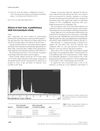
February 2007 in “Journal of the European Academy of Dermatology and Venereology”
4 citations
,
February 2007 in “Journal of the European Academy of Dermatology and Venereology” The study suggests silicon might be important for healthy hair, as less silicon was found in people with hair loss.
January 2026 in “Molecules” A new perming method is less damaging to hair and works as well as traditional methods.
July 2019 in “Ferroelectrics” More human hair protein makes the films weaker and less clear.
72 citations
,
September 1975 in “Biology of Reproduction” Most zinc in rat sperm is in the tail, linked to structures similar to hair keratin.
5 citations
,
November 2024 in “Biomedicine & Pharmacotherapy” The chitosan-peptide system helps cartilage regeneration using fat-derived cells.
July 2026 in “Advanced Science” A new adhesive coating from scallop protein boosts hair growth better than minoxidil.
71 citations
,
June 2005 in “Journal of Investigative Dermatology” PAD enzymes play a key role in hair growth and structure.
 April 2024 in “JMR. Journal of molecular recognition/Journal of molecular recognition”
 Hydrophilic carbon dots cause one protein to clump more and prevent another from clumping.
 October 2025 in “Proceedings of the National Academy of Sciences”
 Phospholipids help plant proteins move by regulating receptor interactions.
 6 citations
,
January 2015 in “Biochemical Society Transactions”
6 citations
,
January 2015 in “Biochemical Society Transactions” The Ysc84/SH3yl1 protein family is important for cell movement and the process of taking in materials by interacting with actin and cell membranes.
 26 citations
,
August 2016 in “ACS Applied Materials & Interfaces”
26 citations
,
August 2016 in “ACS Applied Materials & Interfaces” A boronic acid copolymer quickly forms cell clusters, useful for tissue and tumor modeling.
28 citations
,
November 2009 in “European Journal of Neuroscience” Progesterone and allopregnanolone increase glycine release in rat brain cells.
46 citations
,
May 2021 in “Stem Cell Research & Therapy” Strontium ranelate helps cartilage growth by blocking a specific cell pathway.
January 2019 in “Can Tho University Journal of Science” The nanosilica-curcumin-bromelain complex speeds up wound healing and hair growth in burns.
 14 citations
,
February 1994 in “Tetrahedron Letters”
14 citations
,
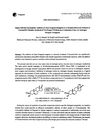
February 1994 in “Tetrahedron Letters” Adding cerium(III) chloride to Grignard reagents improves the making of compounds that could treat prostate issues and hair loss.
28 citations
,
March 1993 in “Journal of Cell Science” Keratins K4 and K13 form stable dimers in mature esophageal cells, aiding cell stability.
 October 2025 in “Pharmaceutical Development and Technology”
 Cubosomal gels enhance skin absorption of cetirizine better than niosomal gels.
November 2012 in “Journal of Clinical Pathology”