15 citations
,
January 1988 Hair follicles have unique proteins that vary by species and are influenced by nutrition.
8 citations
,
June 1981 in “Clinica Chimica Acta” 91 citations
,
May 1972 in “Journal of Biological Chemistry” Transglutaminases work through a ping-pong mechanism, and human plasma and platelet transglutaminases have similar catalytic subunits.
8 citations
,
November 1976 in “Journal of Investigative Dermatology” 49 citations
,
May 1974 in “Biochimica et Biophysica Acta (BBA) - Protein Structure” Transamidases are present in the epidermis but their exact role is unclear.
305 citations
,
March 2008 in “AJP Endocrinology and Metabolism” SSAT is a key enzyme affecting cell growth and metabolism, with potential but risky use in disease treatment.
63 citations
,
May 2015 in “PloS one” GALT5 and GALT2 are important for plant growth and development because they help with protein glycosylation.
147 citations
,
August 2005 in “The Plant Cell” The TIP1 gene is crucial for normal plant cell growth in Arabidopsis.
258 citations
,
July 2005 in “Journal of lipid research” DGAT1 enzyme helps make diacylglycerols, waxes, and retinyl esters.
91 citations
,
July 2004 in “Journal of Biological Chemistry” Overexpressing SSAT enzyme reduces prostate tumor growth in mice.
ANE syndrome is caused by a mutation in the RBM28 protein that disrupts ribosome assembly.
August 2025 in “International Journal of Molecular Sciences” AVT is highly conserved and may have antimicrobial properties.
 3 citations
,
May 2025 in “Cell Death and Disease”
3 citations
,
May 2025 in “Cell Death and Disease” Targeting METTL1 may help slow papillary thyroid cancer growth and spread.
 28 citations
,
May 2020 in “BMC plant biology”
28 citations
,
May 2020 in “BMC plant biology” The study concluded that three enzymes are important for plant development by affecting sugar composition and calcium binding in plants.
 19 citations
,
November 1971 in “Clinica Chimica Acta”
19 citations
,
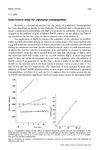
November 1971 in “Clinica Chimica Acta” The document concludes that measuring γ-glutamyl transpeptidase activity is more accurate with a higher substrate concentration and using diluted acetic acid to stop the reaction.
 8 citations
,
October 2022 in “International Journal of Molecular Sciences”
8 citations
,
October 2022 in “International Journal of Molecular Sciences” Self-amplifying RNA could be a better option for protein replacement therapy with lower doses and lasting effects, but delivering it into cells is still challenging.
118 citations
,
June 1993 in “Journal of Biological Chemistry” Human and mouse TGase3 enzymes are similar but differ near the activation site, crucial for their function in skin and hair development.
125 citations
,
February 1971 in “Biochemistry” Specific cross-linkages help make hair proteins stable and strong.
69 citations
,
December 2015 in “BMC plant biology” Three genes in Arabidopsis are important for plant growth and development by affecting sugar attachment to proteins.
13 citations
,
March 1999 in “Biochemical Journal” Overexpressing SSAT in mice makes them highly sensitive to polyamine analogues, causing liver damage and high mortality.
January 1995 in “Journal of the Society of Cosmetic Chemists” Transglutaminase does not modify human hair.
 24 citations
,
July 1994 in “Molecular Endocrinology”
24 citations
,
July 1994 in “Molecular Endocrinology” Researchers found an RNA transcript that might help control a growth factor linked to tumor development.
53 citations
,
June 1983 in “Journal of Investigative Dermatology” The enzyme is crucial for skin cell development and can be activated without proteolytic activation.
Defective protein folding due to a mutation is key in ANE syndrome.
103 citations
,
February 1972 in “Proceedings of the National Academy of Sciences” A unique enzyme in guinea pig hair follicles helps form protein cross-links in hair.
35 citations
,
July 2010 in “The FEBS journal” The study found a specific peptide that helps detect TGase 3 activity in skin and hair follicles.
9 citations
,
January 2014 in “Molecular Genetics and Metabolism Reports” The rhg mutation in mice affects the Oat gene, causing hair growth issues and other symptoms.
49 citations
,
January 1972 in “Biochimica et Biophysica Acta (BBA) - Protein Structure” 10 citations
,
June 2022 in “Biomedicine & Pharmacotherapy” ARTS helps stop tumors by promoting cell death.
 January 2017 in “Brazilian Journal of Pharmaceutical Sciences”
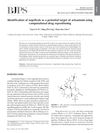
 Arteannuin might work against cancer and Alzheimer's by targeting neprilysin.