 January 2013 in “The Pan African medical journal”
 Monilethrix causes short, fragile hair with no specific treatment available.

This rare genetic disorder causes permanent hair loss and skin bumps from birth.
June 2025 in “British Journal of Dermatology” Ruxolitinib helped a woman with a genetic mutation regrow her hair and improved her health.
 17 citations
,
March 2011 in “Pediatric Dermatology”
17 citations
,
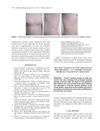
March 2011 in “Pediatric Dermatology” Two Sikh brothers developed permanent hair loss from wearing turbans tightly, a condition that became apparent after they moved to Austria.
 58 citations
,
October 2001 in “Dermatologic Clinics”
58 citations
,
October 2001 in “Dermatologic Clinics” Hair loss can indicate underlying systemic diseases and addressing these can sometimes reverse the hair loss.
 2 citations
,
December 2004 in “Medicine”
2 citations
,
December 2004 in “Medicine” Different hair and scalp disorders cause hair loss or excess hair growth, with various treatments available depending on the specific condition.
May 2025 in “International Journal of Trichology” A rare case of hair loss was linked to breast cancer spreading to the scalp, but treatment was effective.
1 citations
,
January 2021 in “Journal of The American Academy of Dermatology” Scalp nerve issues are linked to hair loss in men.
 January 2015 in “Springer eBooks”
 Some alternative treatments may help with hair loss, but more evidence is needed to confirm their effectiveness.
 February 2013 in “Journal of The American Academy of Dermatology”
 Hair loss is a common side effect of hormone treatments for cancer.
 October 2020 in “Clinical and Experimental Dermatology”
 Hair loss improved after removing pituitary tumor.
32 citations
,
December 1965 in “The Lancet” Argininosuccinic aciduria can cause hair loss.
 13 citations
,
July 2004 in “Skinmed”
13 citations
,
July 2004 in “Skinmed” Common types of non-scarring hair loss have various causes and treatments, but more effective solutions are needed.
8 citations
,
January 2003 in “Journal of Immunology Research” Changing the pin and cupola setup reduced hair loss in Orthodox Jews using skull-caps.
 6 citations
,
June 1981 in “PubMed”
6 citations
,
June 1981 in “PubMed” Whisker hair in young people might predict severe future hair loss.
8 citations
,
January 2020 Alopecia areata causes patchy hair loss, and certain hair features can suggest its presence.
 June 2022 in “Authorea (Authorea)”
 A 59-year-old woman was diagnosed with a rare hair loss condition called lipedematous alopecia.
 53 citations
,
May 1995 in “Journal of The American Academy of Dermatology”
53 citations
,
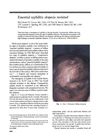
May 1995 in “Journal of The American Academy of Dermatology” Syphilis can cause hair loss that looks like other conditions, but it improves with treatment.
Alopecia areata often starts around age 23, can be permanent in 30% of cases, and treatments are usually temporary.
May 2019 in “Journal of clinical oncology” Radiation therapy with chemotherapy can cause severe, long-lasting hair loss.
 July 2019 in “Journal of Investigative Dermatology”
 The research found that male pattern hair loss is mostly genetic and involves hair thinning due to hormonal effects and changes in gene expression.
 July 1987 in “Reactions (Auckland)”
 Oral minoxidil may slow male pattern baldness and cause body hair growth, but hair loss can happen after stopping it.
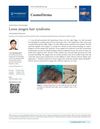 February 2023 in “Cosmoderma”
 Loose anagen hair syndrome causes easily shed hair but usually improves with time.
 June 2017 in “Reactions Weekly”
 Some breast cancer treatments caused long-term hair loss in women, similar to a condition called alopecia areata.
 August 2007 in “CRC Press eBooks”
 Hair loss is mainly caused by a testosterone byproduct, and hair restoration surgery uses hair from the back and sides of the scalp.
 January 2023 in “Vìsnik problem bìologìï ì medicini”
 Androgenic alopecia causes hair follicle degradation and skin restructuring, but some hair elements remain.
 1 citations
,
April 2024 in “Dermatology Practical & Conceptual”
1 citations
,
April 2024 in “Dermatology Practical & Conceptual” Hair loss in male frontal fibrosing alopecia may spare areas covered by a wristwatch.
 18 citations
,
February 2014 in “PubMed”
18 citations
,
February 2014 in “PubMed” Androgenetic alopecia is a common hair loss condition caused by testosterone effects on hair follicles, leading to thinner, shorter, and less pigmented hair, diagnosed using scalp dermoscopy and treated with topical minoxidil, antiandrogen agents, and 5-alpha reductase inhibitors.
September 1997 in “JEADV. Journal of the European Academy of Dermatology and Venereology/Journal of the European Academy of Dermatology and Venereology” Common hair loss can be diagnosed with a physical exam and sometimes a hair test or skin biopsy, and treated with medication or surgery, with ongoing treatment needed to keep results.
 7 citations
,
December 2015 in “International Journal of Dermatology”
7 citations
,
December 2015 in “International Journal of Dermatology” New and known mutations in the hairless gene cause a hair loss condition called Atrichia with papular lesions.