 March 2023 in “International journal of trichology”
 Six genetic conditions are often linked to complete scalp hair loss in children.
 January 2017 in “Springer eBooks”
 Over 40% of postmenopausal women experience hair loss, with treatments aiming to stop further loss and possibly thicken hair.

Phytotherapy offers a safer alternative for managing hair loss with fewer side effects.
 24 citations
,
March 2011 in “British Journal of Dermatology”
24 citations
,
March 2011 in “British Journal of Dermatology” Men with hair loss have more DNA changes in back-of-head hair follicles, possibly protecting them from thinning.
 September 2023 in “Bulletin of the Medical Institute of Continuing Education”
 Early and accurate treatment of Lichen Planopilaris is crucial to prevent permanent hair loss in men.
 111 citations
,
October 2008 in “Nature Genetics”
111 citations
,
October 2008 in “Nature Genetics” Researchers found a new gene area linked to male-pattern baldness, which, along with another gene, significantly increases the risk of hair loss in men.
2 citations
,
April 2008 in “Advances in therapy” Proper diagnosis and treatment of childhood hair loss require distinguishing between alopecia and trichotillomania.
1 citations
,
April 2025 in “Journal of Clinical Medicine” Hair loss in alopecia areata can negatively affect sexual quality of life.
 April 2018 in “Rheumatology”
 Alopecia is common in lupus patients, causing significant anxiety and is linked to the disease itself.
January 2001 in “대한피부과학회지” Androgenetic alopecia significantly reduces quality of life in men.
 8 citations
,
January 1989 in “Annual Reports in Medicinal Chemistry”
8 citations
,
January 1989 in “Annual Reports in Medicinal Chemistry” Hair loss from alopecia areata and androgenetic alopecia can be treated, but more effective and safer treatments are needed.
January 2017 in “日本皮膚科学会雑誌”  November 2006 in “Reactions Weekly”
 A woman's hair grew back after she stopped taking the Parkinson's disease medication pramipexole.
 March 2009 in “Medical & surgical dermatology”
 Women with androgenetic alopecia have fewer terminal hairs, phenol in nail surgery is safe, and a new hair transplant method is faster and less damaging.
27 citations
,
September 2017 Pubic hair transplantation can improve self-esteem in those with sparse pubic hair.
 February 2026 in “Mendeley Data”
 Using 5-alpha reductase inhibitors may lower prostate cancer risk in people with androgenetic alopecia.
 April 2022 in “Journal of The American Academy of Dermatology”
 The document suggests that nerve issues might contribute to hair loss and that testing sensation could predict these nerve problems.
 December 2019 in “Pediatria i Medycyna Rodzinna”
 Alopecia areata is a hair loss condition that may be linked to stress and genetics, often requires psychological support, and has no set treatment.
 February 2018 in “British Journal of Dermatology”
 We need better research to improve alopecia treatment and patient care.
 2 citations
,
March 2019 in “JEADV. Journal of the European Academy of Dermatology and Venereology/Journal of the European Academy of Dermatology and Venereology”
2 citations
,
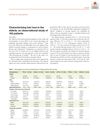
March 2019 in “JEADV. Journal of the European Academy of Dermatology and Venereology/Journal of the European Academy of Dermatology and Venereology” Hair loss in elderly people is often due to health issues and needs better diagnosis and treatment.
April 2026 in “Canadian Medical Association Journal” Female pattern hair loss is common and increases with age.
 December 2024 in “Indian Journal of Dermatology Venereology and Leprology”
 Atypical male hair loss may not respond to usual treatments.
April 2022 in “Journal of Investigative Dermatology” Androgenetic alopecia causes hair thinning due to increased androgen activity, treatable with minoxidil and finasteride.
 January 2024 in “Archives of pathology & laboratory medicine”
 New findings may help diagnose and understand scarring alopecia better.
Antiandrogen treatment helps reduce hair follicles and sebaceous glands in hirsute women.
 103 citations
,
December 2011 in “Journal of the American Academy of Dermatology”
103 citations
,
December 2011 in “Journal of the American Academy of Dermatology” Chemotherapy often causes temporary hair loss, which is distressing and needs better treatment and support.
3 citations
,
April 2023 in “Dermatologica Sinica” PRP treatment may help with alopecia areata, especially in newer cases.
 26 citations
,
September 2012 in “Journal of The American Academy of Dermatology”
26 citations
,
September 2012 in “Journal of The American Academy of Dermatology” Patients with rapidly progressive alopecia areata often have a better outlook and shorter disease duration, with regrown fine hairs and no past alopecia being positive signs.
November 2025 in “Medicina” Alopecia areata may be linked to changes in body fat but not to heart or artery issues.
 22 citations
,
May 1999 in “International Journal of Dermatology”
22 citations
,
May 1999 in “International Journal of Dermatology” Hair loss from genetics and hormones can be treated with drugs or surgery.