May 2010 in “Faculty Opinions – Post-Publication Peer Review of the Biomedical Literature” A mutation in the KRT74 gene causes woolly hair by affecting hair texture.
November 2021 in “Clinical, cosmetic and investigational dermatology” An elderly woman with cancer improved after treatment for a rare skin condition with coiled hairs.
4 citations
,
March 2011 in “European Journal of Dermatology” Trauma can cause fat inflammation and abnormal hair growth.
1 citations
,
November 2025 in “Journal of Health Psychology” Alopecia Areata patients experience higher social appearance anxiety due to visible hair loss.
 40 citations
,
January 2016 in “PLoS ONE”
40 citations
,
January 2016 in “PLoS ONE” Shorter daylight increases hair growth in Cashmere goats.
4 citations
,
April 2018 in “The journal of pediatrics/The Journal of pediatrics” A 6-year-old girl's inability to grow her hair long was due to Loose Anagen Hair Syndrome, which causes hair to shed easily and may improve with age.
14 citations
,
June 2005 in “PubMed” A rare ear cyst contained hair fragments.
September 1978 in “Journal of steroid biochemistry/Journal of Steroid Biochemistry” January 2012 in “Open MIND” Oral minoxidil can cause painful skin bumps and scarring in some people.
 2 citations
,
January 2023 in “Annals of Dermatology”
2 citations
,
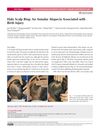
January 2023 in “Annals of Dermatology” A hairless patch on a boy's scalp from birth injury improved with minoxidil treatment.
 November 2025 in “SKIN The Journal of Cutaneous Medicine”
 Baricitinib helps regrow scalp, eyebrow, and eyelash hair in teens with severe alopecia areata.
 January 2012 in “Yearbook of Dermatology and Dermatologic Surgery”
 Alopecia areata is a hair loss condition that often starts before age 30 and can affect various body parts, with unpredictable hair regrowth chances.
36 citations
,
July 1996 in “The journal of investigative dermatology/Journal of investigative dermatology” Mice with the 'lanceolate hair' mutation have abnormal hair and skin similar to human Netherton's syndrome.
March 1956 in “Institutional Repositories DataBase (IRDB)” April 2023 in “Medizinische Genetik” Male-pattern hair loss is largely influenced by genetics, with key genes identified.
16 citations
,
November 1994 in “Developmental Biology” Retinoic acid causes gland formation instead of hair in mouse skin by altering epidermal and dermal interactions.
January 2022 in “Clinical Cases in Dermatology” A 22-year-old man has alopecia areata, an autoimmune hair loss condition, with various treatments available.
 May 2023 in “Clinical and Experimental Dermatology”
 Alopecia areata has a high chance of persisting and relapsing, with a significant risk of total hair loss, especially if it starts in childhood.
 November 2023 in “BMJ case reports”
 A man in his 30s had patchy hair loss on his leg due to primary follicular mucinosis.
 October 2022 in “International Journal of Homoeopathic Sciences”
 Homeopathic treatment may help with beard hair loss.
15 citations
,
January 2006 in “British Journal of Dermatology” A woman with skin eruptions and hair loss improved significantly with ointment treatment.
January 2026 in “International Journal of Dermatology” APKH in young males may signal early hair loss and needs early attention.
 48 citations
,
January 2002 in “Dermatology”
48 citations
,
January 2002 in “Dermatology” Hair pain is more common in women with hair loss, but it's not linked to the cause or severity of hair loss.
November 2025 in “Pediatric Dermatology” The boy's hair fully regrew after treatment for a rare hair loss condition.
 September 2021 in “Mağallaẗ al-Muẖtar li-l-ʿulūm”
 Two sisters have rare hair disorders causing short, fragile, kinky hair.
26 citations
,
September 2009 in “Clinical genetics” Arab APS1 patients have unique and recurrent AIRE gene mutations.
5 citations
,
September 2021 in “PubMed” Hair removal methods vary in effectiveness and side effects, with electrolysis being the only permanent solution.
May 2026 in “Frontiers in Medicine” The patient's hair improved after treatment, but the genetic link is unclear.
January 1996 in “Journal of Investigative Dermatology”  16 citations
,
August 1992 in “PubMed”
16 citations
,
August 1992 in “PubMed” Anabolic-androgenic steroids can cause skin issues like acne and oily skin by enlarging oil glands and changing skin oils.