September 2025 in “Blood Advances” Targeting androgen receptor signaling may improve acute myeloid leukemia treatment.
 January 2022 in “Biocell”
 Mesenchymal stem cells and their secretions might help treat chronic skin inflammation in atopic dermatitis.
 9 citations
,
August 2021 in “Biological Chemistry”
9 citations
,
August 2021 in “Biological Chemistry” ECM-inspired wound dressings can help heal chronic wounds by controlling macrophage activity.
February 2020 in “Oncology Times” Antibody drug conjugates show promise in targeting cancer cells while reducing harm to healthy cells.
10 citations
,
September 2021 in “The FASEB Journal” ACKR2 helps prevent skin scarring and hair loss by controlling inflammation.
 12 citations
,
August 2020 in “JEADV. Journal of the European Academy of Dermatology and Venereology/Journal of the European Academy of Dermatology and Venereology”
12 citations
,
August 2020 in “JEADV. Journal of the European Academy of Dermatology and Venereology/Journal of the European Academy of Dermatology and Venereology” Azathioprine is the most continued treatment for chronic alopecia areata over a year, often with added low-dose prednisolone.
 July 2026 in “Frontiers in Medicine”
 A new treatment plan for alopecia areata considers disease severity, quality of life, and progression to offer personalized care.
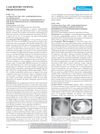 May 2025 in “The Journal of Rheumatology”
 Antiphospholipid syndrome can severely damage adrenal glands, requiring early diagnosis and treatment.
5 citations
,
August 2021 in “Frontiers in Cell and Developmental Biology” DHEA boosts bone cell growth and differentiation in elderly stem cells.
September 2025 in “Asian journal of pediatric dermatology.” Abrocitinib helped a 14-year-old girl with severe alopecia areata regrow her hair significantly.
 1 citations
,
January 2026 in “Frontiers in Cell and Developmental Biology”
1 citations
,
January 2026 in “Frontiers in Cell and Developmental Biology” AI improves biomaterial design by making it faster, cheaper, and more effective for personalized medicine.
2 citations
,
May 2023 in “The Journal of Immunology” NXC736 significantly reduced hair loss in mice with alopecia areata.
 January 2024 in “Journal of Clinical Rheumatology and Immunology”
 Monitor for early signs of myelosuppression, like hair loss, in patients on azathioprine to manage side effects.
 41 citations
,
October 2024 in “Nature Communications”
41 citations
,
October 2024 in “Nature Communications” A new wearable LED device helps heal chronic infected wounds at home.
4 citations
,
May 2020 in “Journal of the American Academy of Dermatology” HS patients rarely see dermatologists, often get opiates, and need better care.
November 2023 in “Journal of Investigative Dermatology” JAK inhibitors are effective and generally safe for treating alopecia areata, but monitoring for side effects is important.
December 2013 in “Pump Industry Analyst” The method effectively delivers vaccines through the skin without needles.
1 citations
,
January 2021 in “Dermatologic Therapy” Candida antigen is an effective and promising treatment for alopecia areata.
October 2025 in “Frontiers in Medicine” Ixekizumab has known and some unexpected side effects.
 August 2021 in “Research Square (Research Square)”
 StemMACS media is better for growing therapeutic stem cells.
3 citations
,
May 2025 in “Carbohydrate Polymers” The new microneedle patch effectively treats alopecia areata with fewer side effects than oral medication.
5 citations
,
April 2025 in “Journal of Functional Biomaterials” A-PRF+ improves bone healing and stability in oral surgery.
March 2026 in “Experimental Dermatology” The new model helps understand and develop treatments for genetic skin disorders like AEC.
June 2025 in “Stem Cells and Cloning Advances and Applications” CFx-δ2 from stem cells helps heal burn wounds faster.
 June 2019 in “Poster presentations”
 Low dose methotrexate does not increase hair fall and may reduce it.
 January 2019 in “Springer eBooks”
 Micrografts are useful for healing wounds, regenerating bone and periodontal tissues, and improving hair transplantation outcomes.
 January 2025 in “PLoS ONE”
 Aligned membranes improve wound healing by reducing scars and promoting skin regeneration.
June 2026 in “Value in Health” 24 citations
,
February 2011 in “The American journal of pathology” AIRE protein, defective in APECED patients, is found in skin and hair cells and interacts with cytokeratin 17.
33 citations
,
October 2006 in “European Journal of Immunology” The CD44-CD49d complex boosts T cell activation and survival in autoimmune disease.