71 citations
,
January 2012 in “PloS one” The conclusion is that genetic differences affect how the cochlea heals after hair cell loss, which may challenge the creation of hearing loss treatments.
 99 citations
,
June 2005 in “Journal of Cosmetic Dermatology”
99 citations
,
June 2005 in “Journal of Cosmetic Dermatology” Hair ages due to genetics and environmental factors, leading to graying and thinning, with treatments available for some conditions.
7 citations
,
February 2017 in “Open veterinary journal” Tiger cubs fed artificial milk lacking certain amino acids developed eye problems and hair loss.
 6 citations
,
April 2021 in “Scientific Reports”
6 citations
,
April 2021 in “Scientific Reports” Phytochrome A is crucial for normal metabolism and development in tomato seedlings under far-red light.
 11 citations
,
July 2021 in “Sustainability”
11 citations
,
July 2021 in “Sustainability” Concrete made from animal bones and human hair is stronger and more environmentally friendly than traditional concrete.
1 citations
,
January 2023 in “Chemical Engineering Journal” 64 citations
,
January 2009 in “The International journal of developmental biology” Hair follicle stem cells are controlled by their surrounding environment.
 September 2024 in “Portuguese Journal of Dermatology and Venereology”
 CCCA and LPP may be related hair loss conditions influenced by genetics and environment, needing early treatment.
 1 citations
,
November 2016 in “Congenital Anomalies”
1 citations
,
November 2016 in “Congenital Anomalies” Get head MRI for babies with achondroplasia early, use free immunoglobulin light chains to detect certain neurodevelopmental disorders, and video calls work for speech therapy in patients with facial anomalies.
 14 citations
,
March 2020 in “Cold Spring Harbor Perspectives in Biology”
14 citations
,
March 2020 in “Cold Spring Harbor Perspectives in Biology” Mouse spermatogenesis shows that stem cells can behave flexibly and move widely in open environments.
 January 2015 in “Springer eBooks”
 Hair health is influenced by genetics, aging, and environmental factors, with proper care needed to maintain it.
 February 2024 in “medRxiv (Cold Spring Harbor Laboratory)”
 The study aims to understand how mood, physical activity, light exposure, and seasonal changes affect sleep patterns.
 66 citations
,
July 2015 in “Journal of Molecular Biology”
66 citations
,
July 2015 in “Journal of Molecular Biology” The document concludes that for hair and feather growth, it's better to target the environment around stem cells than the cells themselves.
 February 2010 in “ePrints Soton (University of Southampton)”
 Male sexual differentiation is regulated independently, while female differentiation occurs in an androgenic environment, affecting conditions like congenital adrenal hyperplasia.
 2 citations
,
January 2008 in “Elsevier eBooks”
2 citations
,
January 2008 in “Elsevier eBooks” Humans have limited regenerative abilities, but new evidence shows the adult brain and heart can regenerate, and future treatments may improve this by mimicking stem cell environments.
 2 citations
,
August 2012 in “Cell Stem Cell”
2 citations
,
August 2012 in “Cell Stem Cell” The study showed that some hair follicle stem cells wake up to grow hair while others stay asleep, and that the environment around them is important for hair growth.
 48 citations
,
April 2010 in “Journal of the European Academy of Dermatology and Venereology”
48 citations
,
April 2010 in “Journal of the European Academy of Dermatology and Venereology” Men are more likely to get infectious skin diseases, while women are more prone to autoimmune and pigment-related skin conditions, influenced by biological and environmental factors.
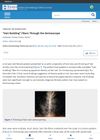 January 2018 in “Indian Dermatology Online Journal”
 Trichoscopy can help tell the difference between artificial hair fibers and other scalp artifacts.
5 citations
,
March 2018 in “CRC Press eBooks” Marine organisms can improve health and prevent diseases through their use in foods and medical products.
December 2025 in “Pharmaceutics” Personalized skin rejuvenation using genomics shows promise but needs more research.
 5 citations
,
January 2023 in “International Journal of Molecular Sciences”
5 citations
,
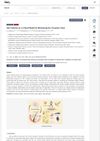
January 2023 in “International Journal of Molecular Sciences” Hair follicles could be used to noninvasively monitor our body's internal clock and help identify risks for related diseases.
 February 2026 in “International Journal of Molecular Sciences”
 3D human skin models show promise for dermatology but face challenges in standardization and cost.
1 citations
,
May 2025 in “BMC Genomics” lncRNAs may help control cashmere goat hair growth by responding to light changes.
7 citations
,
January 2001 in “Comprehensive series in photosciences” UV radiation significantly damages hair, especially with humidity, making it more vulnerable to further damage.
 1 citations
,
March 2024 in “Skin research and technology”
1 citations
,
March 2024 in “Skin research and technology” A new AI model diagnoses hair and scalp disorders with 92% accuracy, better than previous models.
 April 2026 in “Journal of Pharmaceutical and BioTech Industry”
 AI-enhanced smart patches can personalize drug delivery for better treatment outcomes.
1 citations
,
November 2023 in “Polymers” Polyurethane dressings show promise for wound healing but need improvements to adapt better to the healing process.
 May 2026 in “Frontiers in Endocrinology”
 Exposure to particulate matter worsens postpartum hair loss by affecting inflammation and cell death pathways.
1 citations
,
July 2025 in “Stem Cell Research & Therapy” Stem cell technology may improve hair loss treatments by providing more effective and personalized options.
21 citations
,
April 2025 in “MedComm” Alopecia areata causes unpredictable hair loss, and more research is needed to fully understand and treat it effectively.