 1 citations
,
May 2023 in “European Journal of Human Genetics”
1 citations
,
May 2023 in “European Journal of Human Genetics” Rare ULBP3 gene changes may raise the risk of Alopecia areata, a certain FAS gene deletion could cause a dysfunctional protein in an immune disorder, and having one copy of a specific genetic deletion is okay, but two copies cause sickle cell disease.
55 citations
,
December 2021 in “BMC Veterinary Research” Certain genes in Iranian sheep are linked to wool production and heat adaptation.
June 2024 in “Current Developments in Nutrition” KeraGLO improves skin and hair health.
 6 citations
,
January 2014 in “Clinical hemorheology and microcirculation”
6 citations
,
January 2014 in “Clinical hemorheology and microcirculation” Hereditary elliptocytosis causes elongated red blood cells and can lead to mild or no symptoms.
 September 1998 in “JEADV. Journal of the European Academy of Dermatology and Venereology/Journal of the European Academy of Dermatology and Venereology”
 Hair changes could indicate neurological diseases and help monitor treatment.
Alopecia areata involves immune system changes, especially in severe cases, with potential new treatment targets identified.
 September 2022 in “Anais Brasileiros de Dermatologia”
 Dermoscopy helped diagnose a rare skin disease which slightly improved with treatment.
Higher disease activity in systemic lupus erythematosus is strongly linked to more internal organ damage.
 33 citations
,
November 1994 in “Archives of Biochemistry and Biophysics” November 2023 in “Journal of Investigative Dermatology”
33 citations
,
November 1994 in “Archives of Biochemistry and Biophysics” November 2023 in “Journal of Investigative Dermatology” The study identified key immune cell differences between mild and severe alopecia areata.
 May 2023 in “The journal of investigative dermatology/Journal of investigative dermatology”
 EAAT4 decreases with age, harming skin function and calcium balance.
November 2006 in “評価・診断に関するシンポジウム講演論文集” KSR1 is crucial for certain skin tumor formation and could be a cancer therapy target.
6 citations
,
December 2015 in “International journal of immunopathology and pharmacology” AE can have varied symptoms and genetic causes, but zinc therapy helps.
July 2024 in “Journal of Investigative Dermatology” CD8+ T cells expand significantly in alopecia areata, suggesting new treatment targets.
Linalool in personal care products may worsen frontal fibrosing alopecia by damaging hair follicle stem cells and triggering harmful immune responses.
July 2026 in “Zenodo (CERN European Organization for Nuclear Research)” Bael herbal shampoo is a safe, effective, and eco-friendly alternative to synthetic shampoos.
July 2026 in “Zenodo (CERN European Organization for Nuclear Research)” Bael herbal shampoo is a safe, effective, and eco-friendly alternative to synthetic shampoos.
July 2022 in “Journal of Investigative Dermatology” Arg1+ macrophages may play a role in Alopecia Areata, offering new treatment targets.
 February 2025 in “Archives animal breeding/Archiv für Tierzucht”
 Certain gene combinations improve cashmere quality and production in Liaoning goats.
36 citations
,
July 1996 in “The journal of investigative dermatology/Journal of investigative dermatology” Mice with the 'lanceolate hair' mutation have abnormal hair and skin similar to human Netherton's syndrome.
September 2025 in “Development” Nelfb is crucial for forming skin fat tissue by regulating genes needed for fat cell development.
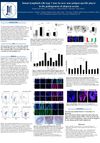
Innate lymphoid cells type 1 may contribute to alopecia areata by damaging hair follicles.
 January 2026 in “Chonnam Medical Journal”
 Escin helps keep hair follicles in the growth phase longer.
 13 citations
,
January 2016 in “Journal of Ophthalmology”
13 citations
,
January 2016 in “Journal of Ophthalmology” A new eyelid shampoo improved eyelid hygiene and eyelash length in people with Meibomian Gland Dysfunction.
January 2016 in “Zurich Open Repository and Archive (University of Zurich)” Dietary L-serine supplementation can reduce symptoms of HSAN1 by lowering harmful 1-deoxySL levels.
 62 citations
,
April 2008 in “Neurobiology of aging”
62 citations
,
April 2008 in “Neurobiology of aging” Scientists found a gene in mice that causes early hearing loss.
3 citations
,
January 2011 in “Yearbook of Dermatology and Dermatologic Surgery” October 2021 in “European Journal of Dermatology” CAL-PDT is safer and more effective for treating actinic keratosis on the scalp.
3 citations
,
June 2024 in “Allergy”