 8 citations
,
February 2005 in “British Journal of Haematology”
8 citations
,
February 2005 in “British Journal of Haematology” Chemotherapy caused the patient's hair to have alternating thick and thin segments.
November 2018 in “Journal of Investigative Dermatology” Lichen Planopilaris causes irreversible hair loss due to immune attacks on hair stem cells, but modulating PPAR-γ might help treat it.
November 2025 in “Pediatric Dermatology” The boy's hair fully regrew after treatment for a rare hair loss condition.
 March 2024 in “Skin research and technology”
 New dermoscopic criteria accurately diagnose and grade the severity of hair loss in androgenetic alopecia.
 2 citations
,
January 1997 in “Archives of Dermatology”
2 citations
,
January 1997 in “Archives of Dermatology” Alopecia areata can regrow hair in a pattern similar to androgenetic alopecia.
March 1997 in “Medical Molecular Morphology” Zinc deficiency causes early scalp hair damage that recovers slower than skin symptoms.
May 2020 in “The Journal of Pediatrics” Tinea capitis can be quickly diagnosed and treated using dermoscopy to prevent hair damage.
 December 2022 in “International Journal of Women's Dermatology”
 The Sinclair Shedding Scale is effective for diagnosing Alopecia Areata Incognita and monitoring treatment success.
158 citations
,
December 2002 in “Development” Msx2-deficient mice experience irregular hair growth and loss due to disrupted hair cycle phases.
 November 2024 in “Medicina”
 Recognizing scalp symptoms in PRP is crucial for proper diagnosis and treatment.
January 2024 in “International Journal of Trichology” Matted hair should not be judged as a sign of mental instability; proper diagnosis and gentle care are key.
 81 citations
,
June 2012 in “European journal of human genetics”
81 citations
,
June 2012 in “European journal of human genetics” Inherited ichthyoses cause widespread skin scaling and thickening due to gene mutations.
2 citations
,
August 2007 in “Zoonoses and Public Health” Two southern chamois in the Eastern Pyrenees had skin infections caused by a fungus.
 12 citations
,
January 2005 in “Pediatric Dermatology”
12 citations
,
January 2005 in “Pediatric Dermatology” Fox Fordyce disease might be more common in prepubertal girls than thought and can be managed with treatment.
179 citations
,
June 2000 in “The American journal of pathology” The absence of functional sebaceous glands causes hair follicle destruction and scarring alopecia.
January 2014 in “Redalyc (Universidad Autónoma del Estado de México)” A Persian cat had a rare skin condition that didn't improve with treatment.
May 2025 in “OPAL (Open@LaTrobe) (La Trobe University)” Targeting specific metabolic and ionic pathways may improve alopecia areata treatment.
April 2018 in “Blackwell's Five‐Minute Veterinary Consult Clinical Companion” The document provides a guideline to help identify skin conditions in small animals based on lesion characteristics.
November 2024 in “SKIN The Journal of Cutaneous Medicine” Alopecia areata severity and symptoms vary by race and ethnicity.
10 citations
,
April 2009 in “Oncology Reports” Bald-headed individuals may need early non-invasive detection for skin changes linked to cancer risk.
10 citations
,
June 1999 in “Veterinary Dermatology” Two cows had a rare hair disorder causing hair loss but were otherwise healthy.
 June 2024 in “British Journal of Dermatology”
 Vitamin B supplements may reverse grey hair.
8 citations
,
January 2014 in “Indian Journal of Paediatric Dermatology” Congenital atrichia with papular lesions causes permanent hair loss and skin bumps from birth.
 24 citations
,
September 2008 in “Clinical and experimental dermatology”
24 citations
,
September 2008 in “Clinical and experimental dermatology” Repigmentation in vitiligo may come from melanocyte stem cells in the skin.
6 citations
,
August 1985 in “Archives of dermatology” A lotion helped remove hair casts, which seem to come from a specific part of the hair follicle, and patients with hair casts can be grouped based on the cause.
 6 citations
,
January 2016 in “Skin appendage disorders”
6 citations
,
January 2016 in “Skin appendage disorders” A man with rare Lichen Planopilaris lost body hair, not scalp hair, and treatment stopped itching but didn't regrow hair.
 January 1953 in “The Lancet”
 Alopecia areata's causes are unclear, treatments exist but relapses are common.
March 2022 in “Journal of Investigative Dermatology” Discoid Lupus Erythematosus causes scalp plaques that can lead to hair loss, and antimalarial drugs are effective treatments.
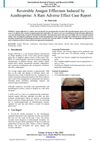 May 2025 in “International Journal of Science and Research (IJSR)”
 Stopping azathioprine led to full hair regrowth and recovery in 2.5 months.
 53 citations
,
September 2011
53 citations
,
September 2011 Other common signs, not just the well-known immune cells around hair bulbs, are important for diagnosing hair loss from alopecia areata.