 100 citations
,
November 2021 in “Cell Research”
100 citations
,
November 2021 in “Cell Research” Cepharanthine and Trifluoperazine are effective against SARS-CoV-2.
 22 citations
,
January 2014 in “Biological & Pharmaceutical Bulletin”
22 citations
,
January 2014 in “Biological & Pharmaceutical Bulletin” Ginsenoside F2 may help prevent hair loss and promote hair growth better than finasteride.
215 citations
,
September 2003 in “Journal of Biological Chemistry” Vitamin D receptor and hairless protein are essential for hair growth.
64 citations
,
March 2004 in “The journal of investigative dermatology/Journal of investigative dermatology” GPRC5D is linked to the formation of hair, nails, and certain tongue areas.
 20 citations
,
July 2013 in “European Journal of Oral Sciences”
20 citations
,
July 2013 in “European Journal of Oral Sciences” A new PAX9 gene mutation causes missing teeth and hair problems, but not skin or nail issues.
 10 citations
,
November 2017 in “Journal of Investigative Dermatology”
10 citations
,
November 2017 in “Journal of Investigative Dermatology” A mutation in the FAM83G gene is linked to skin and hair abnormalities in two related individuals.
 5 citations
,
December 2021 in “Scientific Reports”
5 citations
,
December 2021 in “Scientific Reports” Age affects how certain proteins involved in COVID-19 infection are expressed in mice, but sex hormones and heart injury do not.
 December 2024 in “Genome Biology and Evolution”
 Snakes and worm lizards lost claw proteins due to similar evolutionary changes.
December 2021 in “Biomarkers” Men with early baldness have similar heart risk factors as others, but certain proteins are linked to higher heart disease risk.
 January 2020 in “bioRxiv (Cold Spring Harbor Laboratory)”
 Semecarpus anacardium leaf extracts may offer safe, effective cancer treatment alternatives.
412 citations
,
January 1998 in “Science” A mutation in the human hairless gene causes alopecia universalis.
 46 citations
,
May 2012 in “Molecular and Cellular Endocrinology”
46 citations
,
May 2012 in “Molecular and Cellular Endocrinology” Human skin produces sex hormones like estrogen and testosterone, influenced by ARO and StAR, which may affect skin elasticity and hair growth.
37 citations
,
January 2010 in “Journal of Clinical Investigation” N-WASP is essential for normal hair growth in mice.
 28 citations
,
February 2010 in “British journal of dermatology/British journal of dermatology, Supplement”
28 citations
,
February 2010 in “British journal of dermatology/British journal of dermatology, Supplement” WNT10A mutations cause varied symptoms in patients with odonto-onycho-dermal dysplasia.
 26 citations
,
June 2000 in “Journal of The American Academy of Dermatology”
26 citations
,
June 2000 in “Journal of The American Academy of Dermatology” Men with balding at age 45 had higher IGF-1 and lower IGFBP-3, suggesting these factors might be important in male pattern baldness.
 3 citations
,
June 2000 in “Journal of The American Academy of Dermatology”
3 citations
,
June 2000 in “Journal of The American Academy of Dermatology” Men with balding at age 45 had higher IGF-1 and lower IGFBP-3 levels, suggesting these factors might influence male pattern baldness.
2 citations
,
May 2023 in “Indian Journal of Dermatology Venereology and Leprology” A new genetic mutation in the CAST gene may link PLACK syndrome to alopecia areata.

A genetic variant in the KRT71 gene may cause loose anagen hair and wooly hair, and symptoms might improve with age.
 March 1998 in “Journal of dermatological science”
 Diphencyprone initially increases mouse hair growth, then slows it, possibly due to changes in specific protein levels.
19 citations
,
May 2016 in “Biology Direct” A new method, iSiMPRe, effectively identifies key protein regions in cancer genes, highlighting potential drug targets.
11 citations
,
May 2011 in “The Journal of Dermatology” A man had two rare autoimmune diseases that might be connected.
 September 2023 in “Journal of Nutrition and Metabolism”
 One Ashwagandha extract may help protect cells with its antioxidant properties, while another could promote hair growth.
 January 2020 in “Asian Journal of Basic Science & Research”
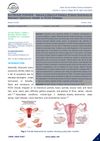
 Nutrease powder, a high-protein, low-carb supplement, can help manage Polycystic Ovary Syndrome symptoms, regulate periods, improve ovulation, and restore fertility.
 5 citations
,
January 2016 in “Genetics and molecular research”
5 citations
,
January 2016 in “Genetics and molecular research” Certain genetic variations in the A2M gene are linked to better milk quality in Murrah buffaloes.
October 2002 in “Atherosclerosis Supplements” LDL apheresis lowers inflammation and cardiovascular risk by reducing CRP levels long-term.
1 citations
,
March 2025 in “Molecular Medicine Reports” Exosomes show promise in treating acute kidney injury by protecting and repairing kidney cells.
August 2024 in “Scientia Horticulturae” AMF initially inhibits but later promotes citrus root hair growth by regulating auxin levels.
 March 2020 in “The journal of investigative dermatology/Journal of investigative dermatology”
 Suppressing very long chain fatty acids is linked to skin cancer.
January 2026 in “Journal of Crohn s and Colitis” High-dose IV iron is safe and effective for treating anaemia in IBD patients.
 June 2023 in “Frontiers in Genetics”
 Genes related to calcium signaling and lipid metabolism are important for curly hair in Mangalitza pigs.