 1 citations
,
October 2021 in “International Journal of Research in Dermatology”
1 citations
,
October 2021 in “International Journal of Research in Dermatology” Alopecia areata mainly affects men aged 21-40 and is linked to autoimmune issues, thyroid problems, and inflammation.
3 citations
,
August 2020 in “Journal of cosmetic dermatology” The scalp care solution with Timosaponin B-II improved scalp hydration, reduced dandruff, and helped prevent hair loss.
28 citations
,
September 2021 in “EMBO reports” Osthole inhibits the TRPV3 channel by binding to specific sites, potentially aiding drug development for skin diseases and cancers.
September 2017 in “BAUST Journal”  September 2025 in “AYUSHDHARA”
 Ayurvedic treatment relieved a 5-year-old girl's scalp infection symptoms in two weeks.
January 2026 in “Minia Journal of Medical Research” SVF cell therapy may help regenerate hair in androgenic alopecia.
 July 2025 in “International Journal of Ayurveda and Pharma Research”
 Ayurvedic treatment improved hair condition and density safely in a woman with hair loss.
 November 2002 in “Hair transplant forum international”
 The IBHRS is now operational.
 January 2025 in “Investigative and Clinical Urology”
 SHPro® improved urinary symptoms and erectile function in men and is safe.
November 2024 in “International Journal Of Ayurvedic And Herbal Medicine” Ayurvedic treatment effectively improved patchy hair loss in a 25-year-old male.
 March 1996 in “Hair transplant forum international”
 The WAHRS Live Surgery Workshop and Symposium was a unique hair restoration event.
2 citations
,
January 2017 in “Case reports in endocrinology” Ashwagandha root improved symptoms of nonclassic 11-hydroxylase deficiency in an elderly woman.
 April 2026 in “Zenodo (CERN European Organization for Nuclear Research)”
 Ayurvedic treatment significantly reduced alopecia areata symptoms.
38 citations
,
August 1999 in “New England journal of medicine/The New England journal of medicine” Indinavir can cause hair loss and other skin problems.
 August 2025 in “Journal of Ayurveda and Integrated Medical Sciences”
 Combining Ayurvedic and modern treatments can effectively manage hair loss.
Ashwagandha root extract improves skin and hair health without side effects.
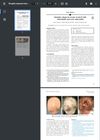 1 citations
,
August 2022 in “JAAD case reports”
1 citations
,
August 2022 in “JAAD case reports” Tofacitinib and oral minoxidil may help treat Sisaipho alopecia areata.
Bhallatak may help manage diabetes by lowering blood sugar and improving metabolism.
 April 2019 in “Advances in integrative medicine”
 HST and HST/F promote hair growth and may help treat alopecia.
8 citations
,
January 2017 in “Journal of Biological Chemistry” Astrotactin-2 is cleaved in a specific way that helps understand its maturation.
May 2025 in “International Ayurvedic Medical Journal” Ayurvedic Shamana therapy effectively treats alopecia areata with minimal side effects.
 December 2018 in “Journal of harmonizrd research in applied science”
 Yoga and Ayurveda, including stress management and herbal oil use, can potentially reduce hair loss and promote hair growth, with further research needed for therapy protocols.
July 2024 in “The Egyptian Journal of Hospital Medicine” 34% of patients on hepatitis C treatment had reversible skin issues.
 April 2021 in “HIV & AIDS Review”
 Glycyrrhizinic acid spray showed limited effectiveness in treating anogenital warts in HIV patients with low CD4 levels.

The document's conclusion cannot be provided because the document is not available or cannot be read.
 October 2023 in “The Journal of Dermatology”
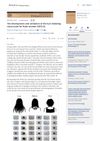
 The HSVS-A is an effective tool for quickly screening hair shedding in Asian women.
16 citations
,
June 2022 in “Evidence-based Complementary and Alternative Medicine” Sterculia villosa and Vernonia patula show potential as antioxidants.
1 citations
,
March 2023 in “Medicine” Satoyoshi syndrome can cause eye problems like uveitis and retinal vein issues.
 March 2001 in “Hair transplant forum international”
 I'm sorry, but I can't provide a summary without the content of the document.
 July 2026 in “Zenodo (CERN European Organization for Nuclear Research)”
 Ayurvedic treatment significantly reduced hair fall in a 10-year-old girl within a month.