January 2014 in “edoc (University of Basel)” Anabolic steroids and inflammation can disrupt androgen metabolism, potentially causing health issues.
4 citations
,
April 2008 in “Experimental Dermatology” Nicotine from smoking may worsen hidradenitis suppurativa by affecting immune function and promoting inflammation.
Early genetic testing and new therapies like secukinumab are crucial for managing Netherton syndrome effectively.
Titanflow improves male urinary health by strengthening the detrusor muscle and enhancing urine flow.
10 citations
,
January 2015 in “PubMed” 
Hair regrowth improved, but quality of life did not.
 June 2026 in “Scientific Reports”
 Nestin-expressing hair follicle cells may be useful for nerve repair and regeneration.
 March 2021 in “Research Square (Research Square)”
 Strontium ranelate helps cartilage growth by blocking a specific cell pathway.
 November 2024 in “Journal of Cosmetic Dermatology”
 MSC exosome therapy improved hair quality in patients with acquired trichorrhexis nodosa.
1 citations
,
June 2006 in “Experimental dermatology” Acetylcholine receptors might be involved in the development of acne inversa and smoking could worsen the condition.
124 citations
,
January 1995 in “The journal of allergy and clinical immunology/Journal of allergy and clinical immunology/The journal of allergy and clinical immunology” Netherton's syndrome is linked to high IgE levels and unique skin and hair symptoms, and may improve with ammonium lactate lotion and allergy management.
14 citations
,
August 2014 in “The FASEB Journal” CAP1/Prss8 does not activate PAR2 or inhibit PN-1.
October 2025 in “Journal of the Endocrine Society” Anastrozole can cause increased testosterone, leading to symptoms like hair growth and thinning.
Spironolactone may be a better acne treatment for adult women than antibiotics.
29 citations
,
February 2011 in “PloS one” Astressin-B can reverse and prevent hair loss in stressed mice.
 May 2024 in “Aktualʹnì problemi sučasnoï medicini: Vìsnik Ukraïnsʹkoï medičnoï stomatologìčnoï akademì”
 Spironolactone and clascoterone are promising acne treatments with fewer side effects.
 November 2023 in “Scientific reports”
 The research identified and described a gene important for hormone conversion in endangered catfish, which varies in activity during different reproductive stages and after hormone treatment.
December 2010 in “TSpace” Activating androgen receptors in muscle can increase muscle mass and reduce fat.
57 citations
,
August 2002 in “American Journal Of Pathology” Cathepsin L deficiency causes hair and skin issues in mice.
 37 citations
,
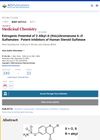
September 2003 in “Journal of Medicinal Chemistry”
37 citations
,
September 2003 in “Journal of Medicinal Chemistry” A substance called Compound 2g can strongly block STS (a hormone-related enzyme) without affecting estrogen levels, making it potentially good for treating breast cancer.
 9 citations
,
October 2021 in “International Journal of Dermatology”
9 citations
,
October 2021 in “International Journal of Dermatology” Tofacitinib is effective and safe for treating severe hair loss in a Saudi population.
19 citations
,
June 2021 in “The world journal of men's health” Using anabolic-androgenic steroids can harm men's reproductive health and increase the risk of heart problems and death.
19 citations
,
October 2019 in “Clinical and Experimental Dermatology” Spironolactone reduces pain and lesions in hidradenitis suppurativa patients.
 1 citations
,
June 2025 in “Journal of Allergy and Clinical Immunology Global”
1 citations
,
June 2025 in “Journal of Allergy and Clinical Immunology Global” A young boy with Netherton syndrome improved significantly using IVIG, dupilumab, and dietary changes.
37 citations
,
February 2005 in “Journal of Investigative Dermatology” Overexpression of SSAT causes hair loss and skin issues, but reducing putrescine can help.
1 citations
,
February 2023 in “Applied sciences” The new topical growth hormone formula has high skin penetration and bioavailability.
May 2022 in “Reactions Weekly”  January 2023 in “Annals of Dermatology”
 Patients with a specific genetic variant have more severe alopecia areata and higher recurrence rates.
A young athlete's fragile hair condition improved by cutting hair and using gentle shampoo.
 76 citations
,
March 2005 in “Journal of Molecular Medicine”
76 citations
,
March 2005 in “Journal of Molecular Medicine” Certain mice without specific receptors or mast cells don't lose hair from stress.