Search
for
Sort by
Research
840-870 / 1000+ resultsresearch Synthesis and 5α-Reductase Inhibitory Activity of C21 Steroids Having 1,4-diene or 4,6-diene 20-ones and 4-Azasteroid 20-Oximes
Three specific 4-azasteroid-2-oximes showed strong enzyme inhibition, but less than finasteride.
research European expert consensus statement on the systemic treatment of alopecia areata
Baricitinib and ritlecitinib are recommended for severe alopecia areata, with other treatments available off-label.
research Ixekizumab improves physical function, quality of life, and work productivity in biologic disease-modifying antirheumatic drug-naive patients with active psoriatic arthritis
Ixekizumab helps improve life quality, physical ability, and work performance in patients with psoriatic arthritis who haven't used biologic drugs before.
research BH19 ‘JAK in the box?’ Long-term safety concerns with oral Janus kinase inhibitors for alopecia areata
JAK inhibitors help regrow hair in alopecia areata, but their long-term safety is still unclear.
research Budget impact analysis of baricitinib for treatment of alopecia areata: A Saudi hospital perspective
Adding baricitinib will increase costs but offers more treatment options for alopecia areata.
research Successful treatment of alopecia universalis with abrocitinib: a case report
Abrocitinib may effectively treat stubborn alopecia universalis.
research Attenzione divisa nei pazienti con cerebrolesione acquisita
Finasteride may cause sexual and psychological side effects by affecting an enzyme related to epinephrine.
research Anticoagulant-free preparation of autologous platelet-rich plasma (PRP) / fluid platelet-rich fibrin (f-PRF): a pre-clinical comparative performance study
Exprecell™ is as effective as traditional methods but produces more f-PRF and is simpler to use.
research 187 Protective Effect of DA-9401 on Acute use of Finasteride on Sprague–Dawley Rats
DA-9401 protects against hair loss, improves organ function, and prevents infertility caused by finasteride.
research Hair-Raising News
The treatment helped some patients with severe hair loss regrow hair.
research Experience with oral tofacitinib in severe alopecia areata with different clinical responses
Oral tofacitinib helped regrow hair in over half of the patients with severe alopecia, but relapses and side effects were common.
research Treatment of Del(5q) Myelodysplastic Syndrome with All-Trans-Retinoic Acid and Tocopherol-α.
The treatment was not recommended due to limited effectiveness and significant side effects.
research Hidradenitis secondary to nirogacestat, a recently approved desmoid tumor medication
Nirogacestat can cause severe skin issues like hidradenitis suppurativa.
research The protoporphyrin IX dimethyl ester incorporated soy lecithin for photoinactivation of fluconazole-resistant Candida albicans
research Cardiometabolic Risk Factors in Rosuvastatin-Treated Men with Mixed Dyslipidemia and Early-Onset Androgenic Alopecia
Rosuvastatin improves lipid levels, reduces inflammation, but worsens insulin sensitivity in men with early-onset hair loss.
research Alopecia areata mit gutem Ansprechen auf Tofacitinib
Tofacitinib helped regrow hair in a woman with alopecia areata.
research 42146 Concurrent improvement in scalp hair and eyebrow or eyelash regrowth in patients with severe alopecia areata treated with baricitinib
Baricitinib treatment can help regrow scalp hair and eyebrows or eyelashes in people with severe alopecia areata.
research Safety of Janus Kinase inhibitors in Patients with Alopecia Areata: A Systematic Review
JAK inhibitors for alopecia areata are linked to minor side effects like headache and acne, but not to an increased risk of serious adverse events.
research La FDA aprueba Litfulo® (ritlecitinib) para el tratamiento de la alopecia areata grave en adolescentes y adultos
The FDA approved Litfulo® for treating severe alopecia areata in people aged 12 and older.
research Efecto Inmunohistoquímico de la Vitamina E y el Ácido Valproico en el Desarrollo de Epidermis y Folículos Pilosos
Vitamin E can reduce the negative effects of valproic acid on hair and skin development.
research 125: Individual Severity of Alopecia Tool (SALT) score trajectories of roll-over adolescent patients with alopecia areata (AA) treated with ritlecitinib in the ongoing long-term, open-label, phase 3 ALLEGRO-LT study
research 5PSQ-056 Experience with tofacinitib and baricitinib in rheumatoid arthritis
Tofacitinib and baricitinib had an acceptable level of side effects in rheumatoid arthritis patients.
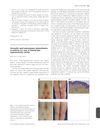
research Successful rapid subcutaneous desensitization to anakinra in a case of delayed‐type hypersensitivity reaction
A woman with a drug allergy to anakinra was successfully desensitized, allowing her to continue treatment without allergic reactions.
research Characteristics and predictive values of super-responders in alopecia areata under tofacitinib treatment: A single-center retrospective study
Older patients without prior JAK inhibitor treatment respond best to tofacitinib for alopecia areata.

research 17beta Hydroxysteroid Dehydrogenase Type 3 Inhibitors
The document's conclusion cannot be provided because the document is not available or cannot be read.
research Itraconazole in the treatment of acute and recurrent vulvovaginal candidosis: comparison of a 1‐day and a 3‐day regimen
A 1-day or 3-day itraconazole treatment is effective for acute vulvovaginal candidosis, but recurrent cases may need longer treatment.
research Dipyridamole-Associated Shock and Pulmonary Edema; Oxcarbazepine-Induced Resistant Ventricular Fibrillation; Finasteride-Induced Pseudoporphyria; Suicidal Ideation Associated with Asenapine; Rediscovering Adverse Anticholinergic Effects; Prevalence of Adverse Drug Events in Ambulatory Care

research Effectiveness and safety of baricitinib in patients with moderate‐to‐severe refractory alopecia areata in real world: An open‐label, single‐center study
Baricitinib effectively and safely improves hair growth in patients with severe alopecia areata.
research 5-Alpha Reductase Inhibitors in Prostate Cancer: From Clinical Trials to Clinical Practice
5-Alpha reductase inhibitors may prevent prostate cancer but are not widely used due to concerns about trial relevance and potential risks, and more research is needed to confirm long-term benefits.