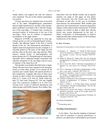
 January 1999 in “Journal of the European Academy of Dermatology and Venereology”
 RAPK is a rare skin disorder with pigmented spots, mainly on hands and feet, starting in youth.
March 2026 in “Tạp chí Da liễu học Việt Nam” Imbalance in immune cells causes hair loss in alopecia areata.
January 2013 in “International Journal of Trichology” Early diagnosis and a multidisciplinary approach are crucial for children with Trichothiodystrophy and hidden learning disorders.
7 citations
,
January 2024 in “Cancer Research Communications” TAp63 and NRF2 work together to manage oxidative stress, preventing premature aging and aiding skin functions.
12 citations
,
June 2016 in “Clinical and experimental dermatology” A new genetic mutation in the TRPV3 gene causes Olmsted-like syndrome in a Mongolian family.
 23 citations
,
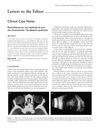
February 2004 in “Clinical and Experimental Ophthalmology”
23 citations
,
February 2004 in “Clinical and Experimental Ophthalmology” A boy with chromosome 13q deletion syndrome developed eye cancer, a woman with breast cancer lost vision due to a rare side-effect of her treatment, a man's vision worsened after using a hair loss drug, and two rare disorders were discussed. Optical Coherence Tomography is useful for diagnosing and monitoring these conditions.
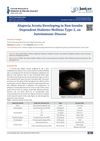 January 2019 in “Current research in diabetes & obesity journal”
 A woman with type 2 diabetes developed alopecia areata, suggesting a link between the two autoimmune conditions.
1 citations
,
January 2016 in “Dermatology Online Journal” Triangular temporal alopecia can occur in adults and should be correctly identified to prevent misdiagnosis.
 January 2026 in “Frontiers in Molecular Biosciences”
 A new method helps diagnose alopecia areata using specific gene markers and could guide targeted treatments.
1 citations
,
November 2023 in “SKIN The Journal of Cutaneous Medicine” 8 citations
,
March 2011 in “Endocrine” A new gene mutation causes vitamin D-resistant rickets and hair loss in two siblings.
 5 citations
,
July 2022 in “Orphanet journal of rare diseases”
5 citations
,
July 2022 in “Orphanet journal of rare diseases” RSPO1 mutations in certain patients lead to skin cells that don't develop properly and are more likely to become invasive, increasing the risk of skin cancer.
 10 citations
,
August 2016 in “Oxford Medical Case Reports”
10 citations
,
August 2016 in “Oxford Medical Case Reports” Tocilizumab therapy may cause skin and hair conditions like halo naevi, vitiligo, and alopecia areata.
 April 2017 in “Journal of Investigative Dermatology”
 A boy with Oculodentodigital syndrome had a unique GJA1 gene mutation causing his symptoms.
 September 2019 in “Journal of Investigative Dermatology”
 Targeted therapy with Ustekinumab significantly improved a skin condition called ILVEN, which is caused by mutations in the CARD14 gene.
 July 2025 in “Russian Journal of Clinical Dermatology and Venereology”
 Tofacitinib may help hair regrowth in familial alopecia areata with immune issues, but more research is needed.
2 citations
,
May 2020 in “Journal of the American Academy of Dermatology” Hair shaft changes may be linked to CCCA, but their role is unclear.
 14 citations
,
September 2018 in “The journal of allergy and clinical immunology/Journal of allergy and clinical immunology/The journal of allergy and clinical immunology”
14 citations
,
September 2018 in “The journal of allergy and clinical immunology/Journal of allergy and clinical immunology/The journal of allergy and clinical immunology” A boy's growth and immune problems were caused by a new mutation in the STAT5B gene.
April 2018 in “Journal of Investigative Dermatology” Melanogenesis-related proteins may trigger immune responses in alopecia areata patients.
2 citations
,
March 2025 in “Journal of Translational Autoimmunity” Targeting the AhR pathway may help treat alopecia areata.
A KRT32 gene variant causes loose anagen hair syndrome.
1 citations
,
April 2015 in “InTech eBooks” RAGE is a potential target for melanoma treatment, but its effectiveness is uncertain due to variable expression levels.
22 citations
,
January 2017 in “Acta Endocrinologica” A woman with multiple autoimmune diseases showed improvement in hair loss but not in skin discoloration after treatment.
 26 citations
,
December 2020 in “Nature metabolism”
26 citations
,
December 2020 in “Nature metabolism” Rapamycin treatment helps with mitochondrial disease by reducing PKC levels.
 8 citations
,
February 2015 in “Cellular immunology”
8 citations
,
February 2015 in “Cellular immunology” Deleting Snai2 and Snai3 causes fatal autoimmunity.
Defective protein folding due to a mutation is key in ANE syndrome.
 1 citations
,
January 2023 in “Cutis”
1 citations
,
January 2023 in “Cutis” The paper concludes that the new medication baricitinib needs further testing in a more diverse group of patients with alopecia areata.
5 citations
,
May 2022 in “Lara D. Veeken” A rare genetic condition can mimic symptoms of other diseases, making diagnosis challenging.
 2 citations
,
January 2021 in “Case reports in endocrinology”
2 citations
,
January 2021 in “Case reports in endocrinology” The girl's condition improved with treatment, showing no new autoimmune diseases and hair regrowth.
 December 2020 in “TURKDERM”
 A 3-year-old boy was diagnosed with a rare, non-scarring hair loss condition called temporal triangular alopecia.