Search
for
Sort by
Research
840-870 / 1000+ resultsresearch Spangled hair in siblings
Two siblings had a rare hair condition with banded hair, which doesn't need treatment.

research MicroRNA-1246 Inhibits NFATc1 Phosphorylation and Regulates T Helper 17 Cell Activation in the Pathogenesis of Severe Alopecia Areata
A substance called miR-1246 may help treat severe hair loss by reducing certain immune cell activities.
research Metabolic and Vascular Inflammation in Alopecia Areata: Linking Uric Acid, Lipid Imbalance and ICAM ‐1 Upregulation
Improving blood vessel health and controlling uric acid may help manage alopecia areata.
research 461 Identification of a Novel Pathogenic XPC:c.2420+1G>C Variant in a Patient with Xeroderma Pigmentosum
A new genetic mutation causing Xeroderma Pigmentosum was found in an 8-year-old girl, affecting her DNA repair.
research Activated Polyamine Catabolism Depletes Acetyl-CoA Pools and Suppresses Prostate Tumor Growth in TRAMP Mice
Overexpressing SSAT enzyme reduces prostate tumor growth in mice.
research Functional analyses of a novel missense and other mutations of the vitamin D receptor in association with alopecia
A single amino acid change in the vitamin D receptor can disrupt its function and lead to hair loss.
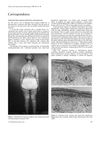
research Late presentation of myotonic dystrophy
Myotonic dystrophy should be considered in patients with hair thinning, and genetic counseling is important.
research Deficiency in Nucleotide Excision Repair Family Gene Activity, Especially ERCC3, Is Associated with Non-Pigmented Hair Fiber Growth
Low ERCC3 gene activity is linked to non-pigmented hair growth.
research Case report of Schöpf–Schulz–Passarge syndrome resulting from a missense mutation, p.Arg104Cys, in WNT10A
A new gene mutation caused a man's rare skin condition, Schöpf-Schulz-Passarge syndrome.
research Biotin and Acetazolamide for Treatment of an Unusual Child With Autism Plus Lack of Nail and Hair Growth
Biotin and acetazolamide improved hair and nail growth, mental function, and reduced headaches in a child with autism.
research Alopecia areata − animal models
Alopecia areata is influenced by genetics and immune system factors, and better understanding could improve treatments.
research Mutation detection of type II hair cortex keratin gene KRT86 in a Chinese Han family with congenital monilethrix
A specific gene mutation in KRT86 is linked to hair disorder in a Chinese Han family.
research The role of vitamin D receptor mutations in the development of alopecia
Vitamin D receptor mutations can cause alopecia by affecting hair growth genes.
research Hutchinson-gilford progeria syndrome and its relevance to cardiovascular diseases and normal aging.
Research on Hutchinson-Gilford progeria syndrome could help understand normal aging and heart disease.
research Spontaneous Squamous Cell Carcinoma Induced by the Somatic Inactivation of Retinoblastoma and Trp53 Tumor Suppressors
Inactivating both p53 and Rb genes in mice speeds up aggressive skin cancer development.
research Fibrous Papule of the Face, Similar to Tuberous Sclerosis Complex-Associated Angiofibroma, Shows Activation of the Mammalian Target of Rapamycin Pathway: Evidence for a Novel Therapeutic Strategy?
Topical rapamycin may effectively treat fibrous papules on the face.

research A missense mutation in Lama3 causes androgen alopecia
A gene mutation in Lama3 is linked to a common type of hair loss.

research Modulating immune responses in alopecia: therapeutic insights and potential targets of antisense oligonucleotides
Targeting SIRT1 with antisense oligonucleotides could be a promising treatment for hair loss.
research A novel homozygous variant in the dsp gene underlies the first case of non-syndromic form of alopecia
A new gene variant in the DSP gene is linked to a unique type of hair loss.
research Atrichia with Papular Lesions: Dermoscopy to the Rescue
Dermoscopy is useful for diagnosing Atrichia with Papular Lesions in children without needing a biopsy.
research Alopecia areata. How not to miss Satoyoshi syndrome?
Patients with alopecia areata should be checked for muscle spasms, diarrhea, and ANA to avoid missing Satoyoshi syndrome.
research Targeted expression of spermidine/spermine N1-acetyltransferase increases susceptibility to chemically induced skin carcinogenesis
Increasing SSAT makes skin more prone to cancer.
research Patient Profile and Treatment Characteristics of Early Ritlecitinib Initiators in the US
Ritlecitinib provides new treatment options for diverse alopecia areata patients.
research A Plain Language Summary on Ritlecitinib Treatment for Adults and Adolescents with Alopecia Areata
Ritlecitinib works well and is safe for treating alopecia areata.
research NEW YORK ACADEMY OF MEDICINE, SECTION ON DERMATOLOGY AND SYPHILIS
An 8-year-old boy with Recklinghausen's Disease shows various symptoms and is from a family with close genetic ties.
research Association of Human Beta – Defensin 1 Gene Polymorphisms with Alopecia Areata Patients
Certain gene variations may increase the risk and severity of alopecia areata.
research Alopecia areata and acitretin
A woman's hair grew back after stopping acitretin for psoriasis and getting steroid treatment, and low vitamin D might be linked to alopecia severity.
research Case Report: Repigmentation and complete hair regrowth in an 11-year-old preadolescent with alopecia totalis treated with a JAK inhibitor
An 11-year-old girl with severe hair loss regrew and repigmented her hair after JAK inhibitor treatment.
research 229 Single cell transcriptomics identifies a potential role for Arg1+ macrophages in alopecia areata pathogenesis
Arg1+ macrophages may play a role in causing alopecia areata.